




Understanding Night Vision Technology
Not all night vision is created equal. When you are researching a home security camera wireless night vision system, you will encounter two main technologies: infrared (IR) and color night vision. Infrared cameras use invisible IR LEDs to illuminate the scene, producing a classic black-and-white image in complete darkness. This is the most common and cost-effective technology, found in everything from budget-friendly inexpensive home video surveillance systems to high-end professional models.
Color night vision, on the other hand, uses a more sensitive image sensor and sometimes a built-in spotlight to capture video in full color, even at night. This provides more detail, such as the color of a car or a person's clothing, which can be crucial for identification. Many modern cameras offer "smart" night vision, which stays in color mode until it gets truly dark, then switches to IR. For those who need the absolute best in low-light performance, a camera with a built-in outdoor security camera with spotlight can be a game-changer, as the light deters intruders and enables full-color recording.
Key Features to Look For
Beyond the night vision type, several other features are critical for a wireless camera. First, consider the resolution. A 1080p camera is the standard, but 2K or 4K models offer much sharper detail, making it easier to zoom in on faces and license plates. Second, check the field of view. A wider angle (e.g., 130° or more) covers more area, but can distort the image. A wireless security camera with motion-activated alerts is also essential. Look for cameras with customizable motion zones to reduce false alerts from passing cars or swaying trees.
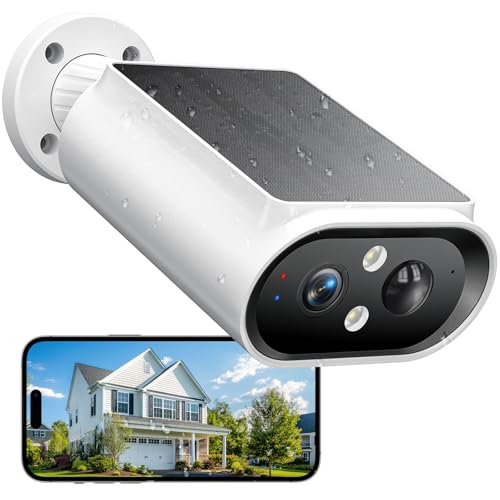
Power is another key consideration for a wireless camera. Most run on rechargeable batteries, and you should check the battery life, which can range from a few weeks to several months. For a truly hassle-free setup, consider a model compatible with small solar panels for security cameras, which can keep the battery topped up indefinitely. Finally, think about storage. You can choose a camera with local storage (a microSD card) or one that uses wireless security camera cloud storage. Each has its pros and cons regarding cost and accessibility.
Choosing the Right Camera for Your Home
The best camera for you depends on your specific needs. For an apartment or rental, a wireless security camera system for apartments that is easy to install and remove is ideal. If you are a homeowner looking to protect your property, an outdoor-use wireless home security camera with a high IP rating for weather resistance is a must. For areas with no power outlets, a battery-powered outdoor WiFi security camera is your best bet.
Installation is a major advantage of wireless cameras. You can easily place them where they are most needed, such as a security camera for an apartment door peephole or a mini wireless security camera with a smartphone app for discreet indoor monitoring. For comprehensive coverage, you might consider a full wired and wireless security camera system. Always ensure the camera you choose allows you to easily view a live feed on your phone, so you can check in from anywhere.
Installation and Placement Tips
Proper placement is crucial for effective surveillance. Mount cameras high enough to be out of reach (8-10 feet) but angled to capture faces, not just the tops of heads. For outdoor cameras, avoid pointing them directly at the sun or bright lights, which can wash out the image. If you are wondering where to install security cameras outdoors, focus on entry points: front doors, back doors, and ground-floor windows. Ensure your Wi-Fi signal is strong at the installation point; otherwise, you may need a Wi-Fi extender.
If you are not comfortable with DIY installation, you can always hire a professional for professional home security camera installation. However, most wireless cameras are designed for easy DIY setup, often involving just a few screws and a smartphone app.
The Importance of a Reliable System
A single camera is good, but a comprehensive system is better. For complete peace of mind, consider a wireless monitored home security system that can alert you and a monitoring center in case of an alarm. If you have a larger property, you might need a system like a 16-camera wireless surveillance system to cover all angles. For businesses, a commercial security surveillance system with night vision is essential for after-hours protection.
Many users start with a single camera and expand later. A great starting point is a home security camera system wireless outdoor that includes a base station and one or two cameras. You can also find wireless security cameras for home use that are incredibly affordable, making it easy to build a system over time. Just be sure to check for security cameras for home with internet access to ensure remote viewing is possible.