
Indoor Battery Operated Security Camera
Protect your home without the hassle of wires. Discover how battery-powered indoor cameras deliver flexible, reliable monitoring for every room.
VIEW TOP PICKSWhy Go Battery-Powered Indoors? Traditional indoor cameras require a nearby outlet, limiting where you can place them. A battery operated security camera frees you to mount it on a bookshelf, wall, or ceiling — anywhere you need coverage. This guide covers everything you need to know before buying.
What Is an Indoor Battery Operated Security Camera?
An indoor battery operated security camera is a wire-free surveillance device designed specifically for interior spaces. Unlike traditional cameras that need a constant power source, these units run on rechargeable batteries — typically lasting anywhere from one to six months per charge, depending on usage and motion events.
These cameras are ideal for renters, homeowners, and small business owners who want flexible placement without drilling into walls or running cables. Most models connect to your home Wi-Fi network and stream video to a smartphone app, giving you live views and recorded clips from anywhere.
If you are comparing indoor and outdoor options, you may also want to explore our guide on indoor-outdoor home security camera systems for broader coverage. For outdoor-specific needs, see our article on outdoor battery operated security cameras.
Key Features to Look For
Not all battery-powered indoor cameras are created equal. Here are the features that matter most when making your decision:
- Battery Life: Look for cameras rated for at least three months per charge. Some premium models can last up to six months with normal use.
- Resolution: 1080p is the minimum standard today. 2K or 4K models offer sharper detail for identifying faces and objects.
- Night Vision: Infrared LEDs allow the camera to see in complete darkness. Check the range — 20 to 30 feet is typical for indoor use.
- Motion Detection: Smart motion alerts reduce false notifications. Look for customizable detection zones and sensitivity settings.
- Two-Way Audio: Built-in microphone and speaker let you talk to family members, pets, or visitors remotely.
- Local Storage: A microSD card slot or base station storage means you can record without a monthly subscription. See our guide on battery powered security cameras with SD card for more details.
- Smart Home Integration: Compatibility with Alexa, Google Assistant, or Apple HomeKit adds convenience and automation.
Best Indoor Battery Operated Security Cameras
⚠️ AFFILIATE DISCLOSURE: This website contains affiliate links. As an affiliate Associate, we earn from qualifying purchases. If you make a purchase through these links, we may receive a small commission at no additional cost to you. Read our full affiliate policy.
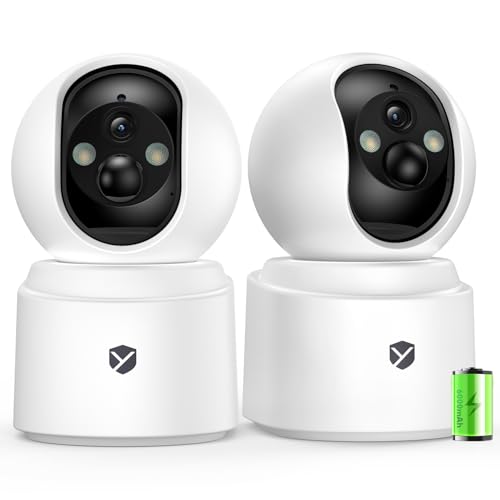
Battery Powered Indoor Camera Wireless 2 Pack with 2.5K Color Night Vision | PTZ Pet Camera with 6000mAh Rechargeable, Dual-Band WiFi, SD/Cloud Storage, 2-Way Audio, APP Remote, Cat/Dog/Home Monitoring
Check price on Amazon
4MP Indoor Security Camera Wireless Battery Powered,6000mAh Rechargeable,WiFi6 2.4/5GHz,Bluetooth Quick Setup,3D Noise Reduction,Smart Motion Detection,2-way Talk,Color Night Vision Pet Baby Monitor
Check price on Amazon
youkey Magnetic Indoor Security Camera Wireless, 2K Battery Powered Camera, No Subscription, Built-in 8GB Storage, Wire-Free for Renters, Compatible with Alexa & Google, Pet/Baby Monitor(S320)
Check price on Amazon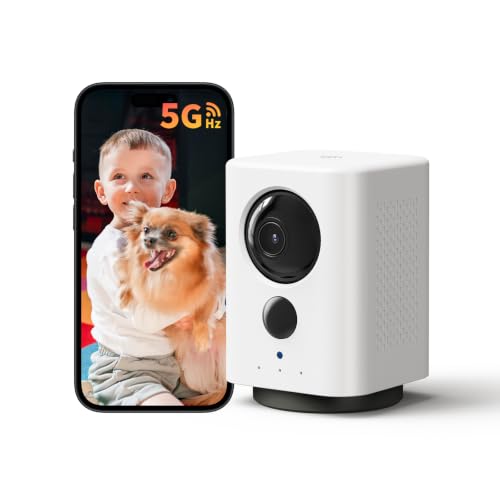
Indoor Camera Wireless, Battery Powered 5G/2.4G WiFi,2K Live View, Portable | Dog/Pet Camera, No Wires, Smart Detection, Instant Alerts, Night Vision, 2-Way Talk, Phone App Control Indoor Security Camera
Check price on AmazonBattery Life and Optimal Placement
Battery life is the single most important factor for a wire-free indoor camera. Most manufacturers rate battery life based on an average of 10 to 20 motion events per day. If your camera is placed in a high-traffic area, expect to recharge more frequently.
To maximize battery life, place the camera where it will capture the most important activity with the fewest unnecessary triggers. Avoid pointing it at a TV, window, or heating vent — these can cause false motion alerts and drain the battery faster.
For homes without reliable Wi-Fi, consider a model that supports local storage. Our article on battery operated security cameras with motion detection explains how these devices work offline. If you need a camera that operates entirely without internet, see our guide on indoor security cameras that don't require Wi-Fi.
Indoor vs. Outdoor Battery Cameras: What's the Difference?
While both types are wire-free, indoor and outdoor battery cameras are built for different environments. Here is a quick comparison:
| Feature | Indoor Battery Camera | Outdoor Battery Camera |
|---|---|---|
| Weatherproofing | Not required | IP65 or higher |
| Battery Life | 3–6 months | 2–4 months |
| Night Vision Range | 20–30 feet | 30–50 feet |
| Size | Compact, discreet | Larger, rugged |
| Price Range | $30–$150 | $80–$300 |
For a broader look at outdoor options, including cameras that follow motion, see our article on outdoor security cameras that follow motion.
Pros and Cons of Battery Operated Indoor Cameras
Advantages
- No cables or outlets required
- Flexible placement anywhere
- Easy DIY installation
- Renter-friendly (no drilling)
- Works during power outages
- Often supports local storage
Limitations
- Need periodic recharging
- Battery life varies with usage
- May lack continuous recording
- Higher upfront cost than wired
- Wi-Fi dependency for remote access
If continuous 24/7 recording is a priority, a wired or plug-in camera may be a better fit. Our guide on home security cameras that record 24/7 covers those options in detail. For renters or anyone who wants to avoid permanent installation, battery models are the clear winner.
Installation and Setup Tips
One of the biggest advantages of a battery operated security camera is how easy it is to install. Most models come with adhesive mounts or simple screw-in brackets that take just minutes to set up. No electrician, no drilling through walls, and no messy cables.
Here are a few tips for getting the best results:
- Mount at eye level or higher: This gives a better viewing angle and makes the camera less likely to be tampered with.
- Test the Wi-Fi signal: Before mounting, check that your camera has a strong connection in its intended location.
- Adjust motion zones: Use the app to exclude areas that trigger false alerts, such as windows or air vents.
- Charge fully before first use: This ensures accurate battery level readings from the start.
For those who prefer a completely wire-free experience without Wi-Fi, our article on wireless camera systems without internet explains how cellular and local-storage models work.
Subscription vs. No Subscription: What You Need to Know
Many indoor battery cameras offer optional cloud storage plans, but you do not have to pay a monthly fee to use them. Most models support local storage via microSD card, and some come with a base station that stores footage locally.
If you want to avoid recurring costs entirely, look for cameras that explicitly support local storage. Our guides on security cameras without subscriptions and battery powered security cameras with SD card can help you find the right model. For a complete list of no-fee options, see indoor outdoor security cameras without monthly fee.
Frequently Asked Questions
How long do indoor battery operated security cameras last on a single charge?
Most models last between one and six months, depending on how often they detect motion and record. Cameras in high-traffic areas may need charging every 4–6 weeks, while those in low-traffic areas can last up to six months.
Do I need Wi-Fi for a battery operated indoor camera?
Most battery cameras use Wi-Fi to send alerts and stream video to your phone. However, some models support local storage and can record without an internet connection. See our guide on indoor security cameras that don't require Wi-Fi for more information.
Can I use an indoor battery camera outdoors?
Indoor cameras are not weatherproof, so they should not be used outdoors unless protected from rain and extreme temperatures. For outdoor use, choose a camera rated IP65 or higher. Our article on outdoor battery operated security cameras covers those options.
Are battery operated cameras as reliable as wired ones?
Yes, for most indoor use cases. Battery cameras offer the same video quality and smart features as wired models. The main trade-off is that they cannot record continuously 24/7 without draining the battery quickly.
What is the best placement for an indoor battery camera?
Place it at eye level or higher, aimed at entry points, hallways, or valuable items. Avoid pointing it directly at windows or heat sources to prevent false motion alerts and extend battery life.
Final Thoughts
An indoor battery operated security camera is one of the easiest and most flexible ways to add smart monitoring to your home. Whether you are a renter who cannot drill into walls, a homeowner who wants coverage in a room without outlets, or someone who simply prefers a clean, wire-free setup, these cameras deliver reliable performance without the hassle.
When choosing, prioritize battery life, resolution, night vision, and local storage options. And if you need coverage for both inside and outside your home, consider a combined system — our guide on wireless indoor outdoor home security camera systems can help you plan a complete setup.
For more buying advice, explore our other guides on battery powered indoor security cameras and highest rated wireless security cameras.