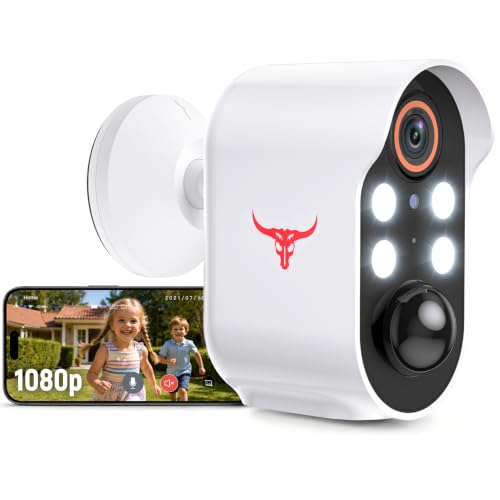
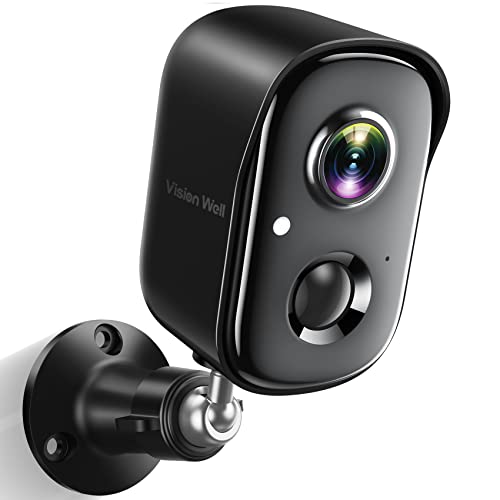
Why Choose a Battery Operated Security Camera with Motion Detection?
Traditional security cameras require a constant power source, which can limit placement and complicate installation. A battery operated security camera with motion detection solves these problems by offering complete wireless freedom. You can mount it almost anywhere—on a fence, a tree, or a shed—without running cables. The built-in motion sensor is the key to its efficiency. Instead of recording 24/7, the camera wakes up only when it detects movement, saving battery power and ensuring you only get alerts for relevant events. This makes it an ideal choice for renters, DIY installers, and anyone wanting a hassle-free security setup.
Key Features to Look For in a Battery Powered Camera
Not all battery cameras are created equal. To ensure you get the best performance, pay close attention to these crucial features:
- Battery Life: Look for cameras that offer months of battery life on a single charge. This depends on usage and motion events, but a good camera should last at least 3-6 months under normal conditions. Some models with larger batteries or solar panel compatibility can last even longer. For a truly self-sustaining setup, consider a solar-powered security camera with Wi-Fi to keep your battery topped up.
- Motion Detection Technology: Basic PIR (Passive Infrared) sensors detect heat from moving objects. More advanced cameras use AI to distinguish between people, animals, and vehicles, reducing false alarms. This is a game-changer for getting precise alerts. A camera with motion notification that is smart and accurate is invaluable.
- Resolution & Night Vision: A 1080p resolution is the minimum standard for clear identification. For better detail, look for 2K or 4K. Excellent night vision is also critical. Check out our guide on security cameras with night vision to understand your options.
- Storage Options: Decide between local storage (a microSD card in the camera) or cloud storage (usually with a subscription). Local storage is great for privacy and avoiding fees. If you prefer local storage, look for a battery operated security camera with SD card slot.
- Subscription-Free Options: Many users want to avoid monthly fees. Fortunately, there are many security cameras without subscription that offer local storage and full functionality. You can also find battery-powered cameras with no subscription.
- Smart Home Integration: Check if the camera works with Alexa, Google Assistant, or Apple HomeKit for voice control and easy viewing on smart displays.
- Weather Resistance: For outdoor use, an IP65 or IP66 rating is essential to withstand rain, dust, and extreme temperatures.
How Motion Detection Works and Why It Matters
Motion detection is the brain of a battery-operated camera. It works by using a sensor, typically a PIR sensor, to detect changes in infrared energy (heat) within its field of view. When a warm body (like a person or animal) moves across the scene, the sensor triggers the camera to start recording and send a push notification to your smartphone. Advanced cameras use on-device AI to analyze the motion and only alert you if it's a person, a vehicle, or a pet. This intelligent filtering is crucial for reducing annoying false alerts from swaying trees or passing cars. A good security camera that sends alerts to cell phone will give you peace of mind without constant interruptions.
Installation and Placement Tips
One of the biggest advantages of a battery-powered camera is its easy installation. Here are a few tips:
- Optimal Height: Mount the camera 7-10 feet high. This provides a good viewing angle and makes it harder for someone to tamper with it.
- Angle for Motion: Position the camera so that motion crosses its field of view horizontally, rather than moving directly toward or away from it. This ensures the PIR sensor detects the movement effectively.
- Wi-Fi Signal: Even though it's battery-powered, most cameras need a strong Wi-Fi signal to send alerts and stream video. Ensure your chosen location has a good signal. If not, consider a camera that works without Wi-Fi by using a cellular connection.
- Respect Privacy: Be mindful of your neighbors' privacy and local laws when positioning your camera. Avoid pointing it directly into their windows or private spaces.
For a more comprehensive system, you might want to explore a wireless outdoor security camera system that can be expanded with multiple cameras.
Battery Life: What to Expect and How to Maximize It
Battery life is a primary concern. Real-world battery life can vary from 1 to 6 months, depending on:
- The number of motion events per day.
- The length of each recording.
- The quality of your Wi-Fi signal (a weak signal makes the camera work harder).
- Live viewing frequency.
- Temperature (cold weather drains batteries faster).
To maximize battery life, adjust the motion sensitivity zones to ignore high-traffic areas like a sidewalk. Use activity zones to focus on specific areas. You can also lower the video quality slightly or shorten the clip length. And of course, if you can, pair the camera with a solar panel charger for security camera to keep it charged indefinitely.
Top Use Cases for Battery Operated Cameras
These versatile cameras are perfect for many scenarios:
- Renters: No drilling or wiring required, making them ideal for apartments and rental homes.
- Remote Areas: Monitor a shed, barn, or construction site where power is unavailable. A temporary construction security camera is a great example.
- Supplemental Coverage: Add a camera to cover a blind spot in an existing system without needing a new power outlet.
- RVs and Boats: Perfect for keeping an eye on your vehicle or boat when parked.
- Wildlife Monitoring: Use them to capture wildlife in your garden or a remote location.