





What Is a Solar Panel Charger for Security Cameras?
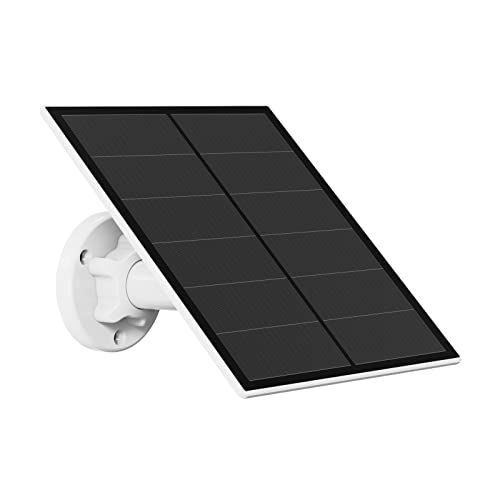
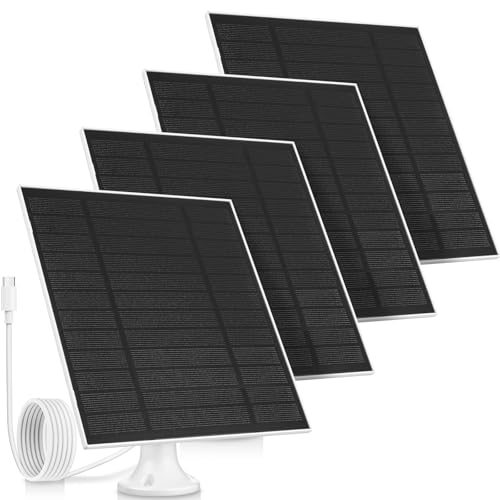
A solar panel charger is a photovoltaic device that converts sunlight into electrical energy to charge your security camera's battery. Unlike traditional wired setups that require drilling and proximity to power outlets, a solar charger offers a wireless, sustainable solution. It is particularly valuable for remote locations, rental properties, and any area where running electrical wiring is impractical or expensive. For homeowners seeking a security camera without subscription, pairing it with a solar charger creates a fully independent, cost-effective system.
Why Your Security Camera Needs a Solar Panel Charger
Battery-powered cameras are convenient, but their Achilles' heel is battery life. Depending on usage and weather, a camera might need recharging every few weeks or months. This is where a solar panel charger becomes indispensable. It continuously tops up the battery during daylight hours, ensuring your camera never goes offline. This is especially critical for security cameras with continuous recording, which drain batteries faster than motion-activated models. With a solar charger, you can enjoy uninterrupted surveillance without the recurring cost and environmental impact of disposable batteries.
Key Factors to Consider Before Buying
- Compatibility: Not all solar panels work with every camera. Check the connector type (Micro-USB, USB-C, barrel plug) and voltage requirements. Many brands like Ring, Arlo, and Eufy offer proprietary solar panels, but universal options exist.
- Power Output: Measured in watts (W), the panel's output must match or exceed your camera's consumption. A 3W to 5W panel is typical for most consumer cameras, but higher-output panels (10W+) are better for cloudy regions or cameras with heavy usage.
- Weather Resistance: Since the panel will be outdoors, it must be IP65 or higher to withstand rain, snow, and dust. Look for UV-resistant materials to prevent degradation over time.
- Cable Length: The cable connecting the panel to the camera should be long enough to position the panel for maximum sun exposure, typically 10 feet or more.
- Mounting Options: Most panels come with adjustable mounts that allow you to angle them toward the sun. Ensure the mount is sturdy and compatible with your installation surface (wall, roof, pole).
Solar Panel vs. Traditional Power: A Quick Comparison
| Feature | Solar Panel Charger | Wired Power | Battery Only |
|---|---|---|---|
| Installation Complexity | Easy (no wiring) | Difficult (requires electrician) | Easy |
| Ongoing Cost | None | Electricity bill | Battery replacements |
| Reliability | High (with sunlight) | Very High | Low (needs recharging) |
| Best For | Remote/outdoor areas | Fixed indoor/outdoor spots | Temporary setups |
Installation Tips for Maximum Efficiency
To get the most out of your solar panel charger, proper installation is key. Position the panel where it receives direct sunlight for at least 4-6 hours daily. In the Northern Hemisphere, face it south; in the Southern Hemisphere, face it north. Avoid shady areas and ensure the panel is tilted at an angle equal to your latitude for optimal sun capture. Regularly clean the panel with a soft cloth to remove dust, leaves, or snow, as even a thin layer of dirt can significantly reduce charging efficiency. If you're setting up a wireless outdoor security camera system, plan the placement of each solar panel to avoid shadows from trees or buildings.
Top Use Cases for Solar-Powered Security Cameras
- Remote Properties: Cabins, farms, and construction sites often lack electrical infrastructure. A solar charger enables surveillance where it was previously impossible.
- Rental Homes: Avoid permanent modifications. Solar chargers are non-invasive and can be easily removed when you move.
- Business Security: For security cameras for business installation, solar power reduces wiring costs and allows flexible camera positioning.
- Eco-Conscious Homeowners: Reduce your carbon footprint by using renewable energy for your security setup.