
Mini DV Camcorder Guide
Everything you need to know about choosing, using, and buying a Mini DV camcorder in the modern age. From retro aesthetics to practical tape-based recording.
The Mini DV Advantage: Despite the rise of 4K digital cameras, Mini DV camcorders offer a unique, nostalgic aesthetic and reliable tape-based storage. Whether you're a filmmaker seeking a vintage look or a hobbyist wanting a robust, easy-to-use camcorder, understanding the Mini DV format is key to making a smart purchase.
What Exactly is a Mini DV Camcorder?
A Mini DV camcorder is a digital video camera that records video onto a compact cassette tape, known as a Mini DV tape. Introduced in the late 1990s, this format became the standard for consumer and semi-professional videography throughout the 2000s. Unlike older analog formats like VHS or Hi8, Mini DV records video digitally, offering superior image quality, easy transfer to computers via FireWire (IEEE 1394), and the ability to copy tapes without generational loss.
These camcorders are prized today for their distinct "early digital" look, often characterized by slightly softer images and rich colors. They are also incredibly robust; many units from the early 2000s still function perfectly today, making them a favorite among enthusiasts of Y2K cameras and 90s camcorders. If you are looking for a reliable tape-based device, a Mini DV camcorder is often more compact and convenient than older models like an 8mm camcorder.
Key Features to Look For in a Mini DV Camcorder
When shopping for a Mini DV camcorder, whether new old stock or used, you need to evaluate a few critical specifications to ensure you get a device that fits your needs.
1. Optical Zoom and Lens Quality
Most Mini DV camcorders offer impressive optical zoom ranges, often between 10x and 25x. Optical zoom is far more important than digital zoom, as it maintains image quality. Look for models with a reputable lens brand, such as Carl Zeiss or Canon. A good lens is essential for capturing sharp details, whether you are filming a family event or using it as a camcorder for hunting to scout game from a distance.
2. Image Stabilization
Handheld footage can be shaky. Effective optical or electronic image stabilization (OIS or EIS) is crucial for smooth, watchable video. This feature is especially important if you plan to use the camcorder while moving, such as when capturing action similar to a chest camera perspective.
3. Connectivity and Ports
To transfer your footage to a computer, you will need a FireWire (IEEE 1394) port or, on later models, a USB port. Some high-end models also feature a microphone input and a shoe mount for attaching external accessories like lights or a camera hot shoe adapter. Ensure the camcorder includes the necessary cables, as they can be hard to find separately.
4. Night Vision and Low-Light Performance
If you plan to film in dark environments, look for a model with a built-in night vision mode, often called "NightShot." This feature uses infrared light to capture video in complete darkness, making it a valuable tool for wildlife observation or security. You can compare this to a dedicated night vision camcorder for specialized needs.
5. Size and Form Factor
Mini DV camcorders are generally compact, but some are truly palm-sized. Consider how you will use it. A very small model might be perfect for discreet recording, similar to a mini video camera, while a slightly larger one might offer better handling and a more stable grip.
Mini DV vs. Modern Digital Camcorders: Which is Right for You?
In a world of 4K smartphones and mirrorless cameras, why choose a Mini DV camcorder? The answer lies in its unique characteristics.
- Aesthetic: The "retro" look of Mini DV footage is highly sought after for music videos, indie films, and artistic projects. It offers a soft, nostalgic quality that is hard to replicate digitally.
- Reliability: Tape is a robust physical medium. If stored correctly, Mini DV tapes can last for decades. There is no risk of hard drive failure or file corruption.
- Simplicity: These camcorders are designed for point-and-shoot operation. They lack the complex menus and settings of modern cameras, making them easy to use for anyone.
- Cost: You can often find a used Mini DV camcorder for a fraction of the price of a new 4K camera. For a budget-conscious creator, this is an attractive entry point. This is similar to how one might choose cheap video cameras for a low-cost start.
However, there are drawbacks. Transferring footage is a real-time process (a 60-minute tape takes 60 minutes to capture), and finding tapes and accessories is becoming harder. For high-resolution, modern convenience, a pro camera or high-resolution mirrorless camera is a better choice. The decision depends entirely on your project and your preferred workflow.
Recommended Mini DV Camcorders
⚠️ AFFILIATE DISCLOSURE: This website contains affiliate links. As an affiliate Associate, we earn from qualifying purchases. If you make a purchase through these links, we may receive a small commission at no additional cost to you. Read our full affiliate policy.

Tech Collector MiniDV Transfer Bundle - Digitize MiniDV Tapes, Includes Camcorder and USB Adapter
Check price on Amazon
Sony Camcorder for miniDV Tape Transfer to Computer USB and DVD
Check price on Amazon
Sony DCR-HC52 MiniDV Handycam Camcorder with 40x Optical Zoom (Renewed)
Check price on Amazon
Tech Collector miniDV Tape Player Camcorder w/Blank Tape, AV Cable, USB
Check price on Amazon
Portta VHS to Digital Converter, Video to Digital Recorder with Remote, Compatible with VHS, VCR, DVR, DVD, Hi8, Mini DV Players, Camcorder, Gaming Consoles (VHS/Tapes/DVD Player Not Included)
Check price on Amazon
Tech Collector miniDV Camcorder Bundle w/USB Adapter for Tape Transfer to Digital
Check price on Amazon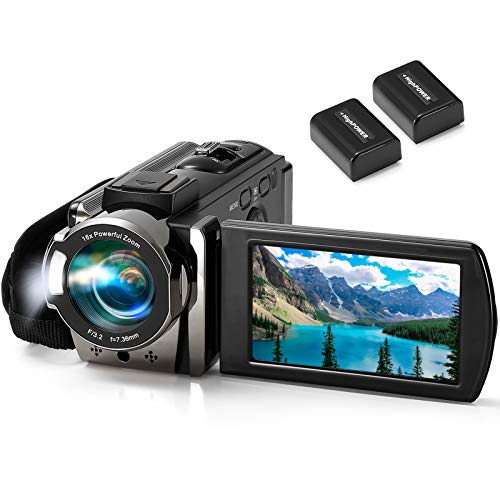
kimire Video Camera Camcorder Digital Camera Recorder Full HD 1080P 15FPS 24MP 3.0 Inch 270 Degree Rotation LCD 16X Digital Zoom Camcorder Camera with 2 Batteries(Black)
Check price on Amazon
Sony DCR-DVD108 DVD Handycam Camcorder with 40x Optical Zoom (Renewed)
Check price on AmazonHow to Buy a Used Mini DV Camcorder
Since Mini DV camcorders are no longer manufactured, the used market is your primary source. Here is a checklist for buying a used unit:
- Check the Tape Transport: This is the most common point of failure. Ask the seller if the camcorder can play, record, and rewind tapes smoothly. A squealing or grinding noise is a bad sign.
- Test the Battery: Old batteries often lose their ability to hold a charge. Factor in the cost of a replacement battery.
- Inspect the Lens and LCD: Look for scratches on the lens and dead pixels or discoloration on the LCD screen.
- Verify Connectivity: If possible, test the FireWire or USB output to ensure you can capture footage.
- Ask for Sample Footage: A short video clip can reveal issues with the sensor or image quality.
Purchasing from a reputable seller who specializes in vintage electronics or a platform with buyer protection is highly recommended. For those who need a more modern, file-based workflow but still want a camcorder form factor, a HD private cam or a small camera for recording might be a better alternative.
Making the Final Decision
Choosing a Mini DV camcorder is a decision driven by a desire for a specific aesthetic and a tactile, physical media experience. It is not about chasing the highest resolution. If you are drawn to the look of early 2000s home videos, the warmth of tape-based color, and the simplicity of a dedicated video device, a Mini DV camcorder is an excellent choice.
Before you buy, consider how you will use the footage. If you need to edit and share videos online quickly, the real-time capture process can be a bottleneck. However, if you enjoy the process of archiving and the unique character of the footage, it is a rewarding experience. Whether you are a fan of camera film roll aesthetics or just looking for a fun, retro way to record memories, the Mini DV format has a lot to offer. For those who need a more straightforward digital option, a point and shoot camera or a video and photo camera might be a more practical choice. Ultimately, the best camera is the one that inspires you to create.