
Camera Film Roll: The Complete Guide to Analog Photography
Everything you need to know about 35mm, 120, and specialty film rolls. Choose the right film, understand ISO, and capture timeless analog images with confidence.
START LEARNINGWhy Film Still Matters: In a world dominated by digital sensors, camera film rolls offer a unique aesthetic, incredible dynamic range, and a tactile creative process that millions of photographers still love. Whether you're a beginner curious about analog photography or a returning enthusiast, understanding film rolls is your first step to mastering this timeless medium.
Choosing a camera film roll can feel overwhelming with so many formats, ISO ratings, and brands available. This guide breaks down everything you need to know — from the classic 35mm camera to professional medium format cameras — so you can select the perfect film for your creative vision and shoot with total confidence.
What Is a Camera Film Roll?
A camera film roll is a light-sensitive strip of plastic coated with a gelatin emulsion containing silver halide crystals. When light hits the film through your camera's lens, it triggers a chemical reaction that captures a latent image. That image is then made permanent through a development process using chemicals.
Unlike digital sensors, film rolls are physical media. Each roll has a limited number of exposures — typically 24 or 36 frames for 35mm, or 8 to 16 frames for medium format. This limitation forces photographers to slow down, compose carefully, and think intentionally about every shot. That deliberate approach is a big reason why analog photography remains so rewarding.
Film rolls come in different formats, and each format pairs with specific camera types. The most common are 35mm, 120, and 220. Larger formats like sheet film are used in large format cameras for maximum detail.
Camera Film Roll Formats Explained
The format of your film roll determines the size of each frame and which camera you can use. Here are the most popular formats:
| Format | Frame Size | Typical Exposures | Best For |
|---|---|---|---|
| 35mm | 24 × 36 mm | 24 or 36 | Everyday shooting, street, travel |
| 120 (Medium Format) | 6 × 4.5 cm to 6 × 9 cm | 8–16 | Portraits, weddings, fine art |
| 220 | Same as 120 (no backing paper) | 16–32 | Medium format with more frames |
| Sheet Film | 4 × 5 in and larger | 1 per sheet | Large format landscape, architecture |
If you're just getting started, 35mm is the most affordable and widely available option. It works with a huge range of cameras, from entry-level point-and-shoots to professional SLRs. The smaller frame size also means more exposures per roll, making it ideal for learning.
Medium format film is the go-to choice for photographers who want maximum detail and shallow depth of field. The larger negative captures more information, which translates to smoother tonality and better enlargement potential. If you already own a medium format digital camera, adding a film medium format body can be a rewarding creative companion.
Types of Camera Film Rolls
Not all film rolls are created equal. Film is categorized by how it responds to light and color. Understanding these differences is essential for choosing the right roll for your project.
Color Negative Film (C-41)
Color negative film is the most common type. It produces a negative image where colors and tones are inverted. After development, the lab scans or prints the images. Color negative film offers wide exposure latitude, meaning it forgives minor exposure errors — great for beginners.
Popular examples include Kodak Gold, Kodak Portra, and Fujifilm Superia. These films are known for their warm skin tones, natural colors, and flexibility in post-processing.
Black and White Film
Black and white film captures images in shades of gray. It's beloved for its timeless look, high contrast potential, and the fact that you can develop it at home with relatively simple chemistry. Black and white film is also more forgiving of exposure mistakes.
Classic choices include Ilford HP5, Kodak Tri-X, and Fujifilm Acros. Each has its own characteristic grain and tonality.
Slide Film (E-6)
Slide film, also called transparency or reversal film, produces a positive image directly on the film. When you hold it up to the light, you see the actual colors and tones. Slide film has less exposure latitude and requires precise exposure, but it rewards careful shooters with vibrant, punchy colors and fine grain.
Fujifilm Velvia and Provia are legendary slide films, often used for landscape and nature photography.
Understanding Film Speed (ISO)
Film speed, measured in ISO, indicates how sensitive the film is to light. Lower ISO numbers mean less sensitivity and finer grain. Higher ISO numbers mean greater sensitivity and more visible grain.
- ISO 100–200: Fine grain, ideal for bright daylight and detailed work. Best for landscapes and portraits in good light.
- ISO 400: The versatile all-rounder. Works well in most lighting conditions and is a favorite for street and documentary photography.
- ISO 800–1600: Great for low light, indoor shooting, and action. Expect noticeable grain, which can add character.
- ISO 3200+: Very high sensitivity for extreme low light. Grain becomes very prominent and is often used creatively.
If you're unsure where to start, ISO 400 film is the safest bet. It handles a wide range of situations and is available from every major brand.
How to Choose the Right Camera Film Roll
Selecting the right film depends on your camera, your subject, and the look you want to achieve. Here's a practical framework:
- Check your camera's format. A 35mm camera needs 35mm film. A medium format camera needs 120 or 220 film. Never force the wrong format.
- Decide on color or black and white. Color negative film is versatile and easy to scan. Black and white offers a classic, artistic look and is great for home development.
- Match ISO to your lighting. Bright sun calls for ISO 100–200. Overcast or indoor scenes benefit from ISO 400 or higher.
- Consider the look. Different film stocks have distinct color palettes and grain structures. Experiment to find your signature style.
- Think about processing. Color negative and slide film require lab development. Black and white can be developed at home if you're willing to learn.
For photographers who also shoot digital, understanding film can improve your digital work too. Concepts like the exposure triangle apply equally to both mediums. If you're exploring different camera types, you might also enjoy learning about rangefinder cameras, which are classic film tools, or CCD cameras, which offer a different vintage digital aesthetic.
Film Roll Storage and Care
Film is sensitive to heat, humidity, and radiation. Proper storage ensures your film performs as intended and lasts for years.
- Keep film cool. Store unexposed film in a refrigerator for long-term keeping. Let it reach room temperature before loading to avoid condensation.
- Avoid extreme heat. Never leave film in a hot car or direct sunlight. Heat causes fogging and color shifts.
- Protect from X-rays. When flying, request hand inspection of your film. Repeated X-ray exposure can damage images.
- Develop promptly. Once exposed, develop your film as soon as possible for best results. Latent images can degrade over time.
If you also shoot digital, maintaining your gear is equally important. Our guide on sensor cleaning helps you keep digital sensors spotless, just as proper handling keeps film free of dust and scratches.
Film vs Digital: Which Is Right for You?
Film and digital are not competitors — they are different tools for different creative goals. Film offers a unique look, a slower workflow, and a tangible connection to the image. Digital offers instant feedback, unlimited frames, and easy sharing.
Many photographers shoot both. They use digital for client work and film for personal projects. If you're considering a digital camera alongside your film gear, exploring a professional camera or a high-resolution mirrorless camera can complement your analog setup perfectly.
Ultimately, the best camera is the one you enjoy using. Whether you choose a point and shoot film camera or a fully manual SLR, the goal is to create images that matter to you.
Frequently Asked Questions About Camera Film Rolls
What is the most common camera film roll?
35mm film is the most common format worldwide. It's widely available, works with countless cameras, and offers 24 or 36 exposures per roll, making it practical and affordable.
Can I still buy film rolls today?
Yes. Film is experiencing a revival. Major brands like Kodak, Fujifilm, and Ilford continue to produce film, and many online retailers and camera stores stock a wide variety.
How much does a camera film roll cost?
Prices vary by format and brand. A standard 35mm color negative roll typically costs between $8 and $15. Medium format film ranges from $10 to $20 per roll. Slide film and specialty stocks can cost $15 to $25 or more.
How long does film last after expiration?
Properly stored film can remain usable for years past its expiration date, though colors may shift. Black and white film tends to age better than color film. For critical work, always use fresh film.
Is film photography expensive?
The ongoing cost of film and development is higher than digital in the long run. However, entry-level film cameras are often very affordable, and the slower workflow can actually save money by reducing the number of shots you take.
Recommended Camera Film Rolls
⚠️ AFFILIATE DISCLOSURE: This website contains affiliate links. As an affiliate Associate, we earn from qualifying purchases. If you make a purchase through these links, we may receive a small commission at no additional cost to you. Read our full affiliate policy.

Kodak Gold 200 35mm Film Roll 24 Exp 3 Rolls with Sturdy Tiger Storage Case
Check price on Amazon
Kodak Ultramax 400 35mm Film - 3 Packs of 36 Exposure Rolls for 35mm Cameras Bundled with The Tudak Store Microfiber Cloth - 108 Exposures, ISO 400 Color Negative Film for 35mm Film Camera
Check price on Amazon
Kodak 6033963 Gold 200 135/24 Film (Pack of 2)
Check price on Amazon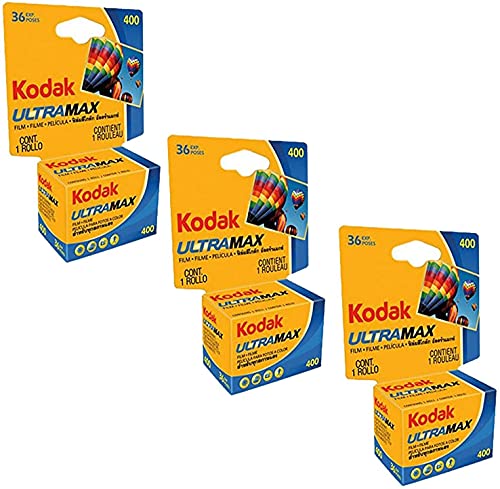
Kodak Ultramax 400 Color Print Film 36 Exp. 35mm DX 400 135-36 (108 Pics) (Pack of 3), Basic
Check price on Amazon
Kodak Gold 200 35mm Film Bundle, 3 Rolls, 36 Exposures Each, for 35mm Film Camera Includes Balveli Premium Microfiber Cloth - Kodak Gold 3 Pack
Check price on Amazon
Kodak Ultramax 400 35mm Film Roll 24 Exp 3 Rolls with Sturdy Tiger Case
Check price on Amazon
FUJIFILM 400 Color Negative Film (35mm Roll Film, 36 Exposures, 3-Rolls) + BluebirdSales Microfiber Cleaning Cloth
Check price on Amazon