
Exposure Camera: The Complete Guide to Mastering Light
Understand how aperture, shutter speed, and ISO work together to create perfectly exposed photos in any lighting condition. From auto mode to full manual control.
START LEARNINGWhy Exposure Matters: Exposure is the foundation of every photograph. Whether you're shooting with a professional camera or a point-and-shoot, understanding exposure gives you complete creative control over brightness, motion, and depth of field. This guide will walk you through every setting so you can shoot with confidence.
What Is Camera Exposure?
Camera exposure refers to the amount of light that reaches your camera's sensor when you take a photo. Think of it like filling a bucket with water: the aperture is the size of the opening, the shutter speed is how long you keep it open, and the ISO is how sensitive the bucket is to the water. When these three elements are balanced correctly, you get a well-exposed image. When they're off, your photo will be too bright (overexposed) or too dark (underexposed).
Every camera, from a 35mm film camera to a modern high-resolution mirrorless camera, relies on these same principles. The difference is how much control you have and how the technology helps you achieve proper exposure. Understanding the camera sensor and how it reacts to light is the first step toward mastery.
The Exposure Triangle: Aperture, Shutter Speed & ISO
The exposure triangle is the relationship between three fundamental settings. Changing one affects the others, and understanding this balance is key to taking creative control of your photography.
🔘 Aperture (f-stop)
Aperture controls how wide the lens opening is when you take a photo. It's measured in f-stops, where smaller numbers mean a wider opening and more light.
- f/1.4 – f/2.8: Wide aperture, great for low light and blurry backgrounds
- f/4 – f/8: Mid-range, versatile for most situations
- f/11 – f/22: Narrow aperture, ideal for landscapes and sharpness throughout
Aperture also affects depth of field. For macro photography, a narrow aperture keeps tiny subjects sharp, while a wide aperture creates beautiful background blur.
⏱️ Shutter Speed
Shutter speed is how long your camera's sensor is exposed to light. It's measured in fractions of a second or full seconds.
- 1/1000s – 1/4000s: Freezes fast action like sports or wildlife
- 1/60s – 1/250s: Everyday shooting, handheld stability
- 1/30s – 1s: Creative blur, motion trails, low light
- 1s – 30s+: Long exposure, night photography, light trails
For night photography, you'll often need a bulb camera mode to keep the shutter open as long as you need.
📊 ISO Sensitivity
ISO measures how sensitive your camera's sensor is to light. Higher ISO lets you shoot in darker conditions but introduces digital noise.
- ISO 100 – 200: Bright daylight, cleanest image quality
- ISO 400 – 800: Cloudy days, indoor shooting
- ISO 1600 – 3200: Evening, dim interiors, some noise
- ISO 6400+: Night, very low light, noticeable grain
Modern cameras like AI-powered cameras handle high ISO better than ever, reducing noise while preserving detail.
Exposure Settings Quick Reference
| Setting | Low Value | High Value | Effect on Photo |
|---|---|---|---|
| Aperture (f-stop) | f/1.4 (wide) | f/22 (narrow) | Wide = blurry background + more light. Narrow = sharp throughout + less light. |
| Shutter Speed | 1/4000s (fast) | 30s (slow) | Fast = freeze motion. Slow = blur motion + more light. |
| ISO | 100 (low) | 12800 (high) | Low = clean image. High = brighter + more noise. |
Creative Uses of Exposure
🌄 Landscape Photography
Use f/8 to f/16 for deep depth of field, ISO 100 for maximum detail, and a tripod with slow shutter speed for silky water effects. A wide-angle lens works best for expansive scenes.
👤 Portrait Photography
Use f/1.8 to f/2.8 for beautiful background blur, ISO 100-400 for clean skin tones, and shutter speed of 1/125s or faster to avoid motion blur.
🌙 Night Photography
Use a wide aperture (f/1.4-f/2.8), high ISO (1600-6400), and long shutter speeds (5-30s). A camera hot shoe lets you add an external flash if needed.
🐦 Wildlife Photography
Use fast shutter speeds (1/1000s+), moderate aperture (f/4-f/8), and auto ISO to adapt to changing light. For distant subjects, a medium format camera provides exceptional detail.
Common Exposure Mistakes to Avoid
1. Ignoring the Histogram: Your camera's LCD can be misleading in bright sunlight. Always check the histogram for accurate exposure.
2. Using Auto Mode in Tricky Lighting: Auto mode struggles with backlit subjects and high-contrast scenes. Switch to aperture or shutter priority for better results.
3. Fearing High ISO: A slightly noisy photo is better than a blurry one. Modern sensors, especially in professional mirrorless cameras, handle high ISO beautifully.
4. Forgetting About ND Filters: For long exposures in bright light, you'll need a neutral density filter. This is essential for cinema cameras shooting outdoors.
Choosing a Camera with Great Exposure Control
Not all cameras offer the same level of manual control. If you're serious about mastering exposure, look for a camera with dedicated dials for aperture, shutter speed, and ISO. Cameras like the rangefinder camera or CCD camera offer classic exposure control that many photographers prefer.
For video work, a 8K camera or camera for blogging and vlogging with excellent exposure tools like zebras and waveform monitors will make your life much easier. Even a cheap video camera can produce great results if you understand exposure fundamentals.
Frequently Asked Questions About Camera Exposure
Ready to Master Your Camera's Exposure?
Understanding exposure is the single most important skill in photography. With practice, you'll be able to shoot confidently in any lighting condition and create images that match your creative vision.
EXPLORE CAMERA REVIEWS →Best Cameras for Mastering Exposure
⚠️ AFFILIATE DISCLOSURE: This website contains affiliate links. As an affiliate Associate, we earn from qualifying purchases. If you make a purchase through these links, we may receive a small commission at no additional cost to you. Read our full affiliate policy.

Fujifilm QuickSnap Flash 400 One-Time-Use Camera - 27 Exposures | 35mm disposable camera with 400 speed film and built-in flash for photography, travel and events
Check price on Amazon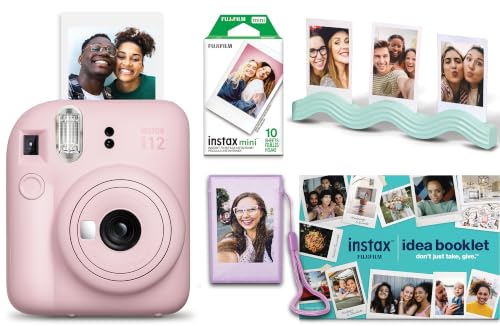
FUJIFILM Instax Mini 12 Instant Camera Holiday Bundle 2026, Blossom Pink | Instant film camera with selfie mirror, close-up mode and automatic exposure.
Check price on Amazon
Fujifilm QuickSnap Flash 400 One-Time-Use Camera - 2 Pack
Check price on Amazon
FUJIFILM Instax WIDE 400 Instant Camera Bundle with 20-Exposure Film | Instant camera with automatic exposure, self-timer, close-up lens, angle adjustment accessory and 20-exposure film.
Check price on Amazon
Kodak Ultramax 400 35mm Film - 3 Packs of 36 Exposure Rolls for 35mm Cameras Bundled with The Tudak Store Microfiber Cloth - 108 Exposures, ISO 400 Color Negative Film for 35mm Film Camera
Check price on Amazon
Fujifilm Instax Mini 12 Instant Camera - Lilac Purple | Automatic exposure with selfie mirror and parallax correction for photography, travel and parties
Check price on Amazon
Understanding Exposure, Fourth Edition: How to Shoot Great Photographs with Any Camera
Check price on Amazon
Kodak Funsaver One Time Use Film Camera (2-pack) | For Film Photography & Events
Check price on AmazonFinal Thoughts on Camera Exposure
Mastering exposure is a journey, not a destination. Even after years of shooting, you'll continue to learn new ways to use light creatively. Whether you're using a digital camera, a Y2K camera, or even a video and photo camera, the principles remain the same.
Practice regularly, experiment with different settings, and don't be afraid to make mistakes. Every photographer has taken thousands of badly exposed photos—it's part of the learning process. With time and patience, exposure control will become second nature, and you'll be able to focus on what really matters: capturing beautiful moments.