
Camera Sensor Guide: The Heart of Every Image
The camera sensor is the single most important component that determines your image quality, low-light performance, and depth of field. Understanding sensor types and sizes is the key to choosing the right camera for your needs.
Explore Sensor TypesWhy the Sensor Matters: A larger sensor captures more light, delivering better dynamic range, superior low-light performance, and shallower depth of field. But bigger isn't always better—it depends on your shooting style, budget, and portability needs. This guide will help you make an informed decision.
What Is a Camera Sensor?
The camera sensor is a silicon-based electronic component that converts light into electrical signals. It's the digital equivalent of film in traditional cameras. Every time you press the shutter button, the sensor captures the scene in front of you, recording millions of pixels of data that become your final photograph.
When you're researching a new camera, the sensor is often the first specification you should examine. Whether you're looking at a DSLR, a mirrorless, or a point-and-shoot, the sensor inside dictates the camera's capabilities and limitations. For professionals considering a pro camera or a cinema camera, the sensor format is a critical decision that affects everything from lens selection to production workflow.
The two primary sensor technologies are CCD (Charge-Coupled Device) and CMOS (Complementary Metal-Oxide-Semiconductor). Modern cameras almost exclusively use CMOS sensors due to their lower power consumption, faster readout speeds, and superior performance at high ISOs. You might still encounter a CCD camera in vintage digital photography circles, where enthusiasts appreciate the unique color rendition of older sensors.
The Four Main Sensor Sizes Explained
Full-Frame Sensors (36mm x 24mm)
The full-frame sensor is the gold standard for professional photography. Its dimensions match traditional 35mm film, which means lenses designed for film cameras work exactly as intended. Full-frame sensors excel in low-light conditions, produce stunning background blur (bokeh), and offer the widest dynamic range among consumer and prosumer formats.
- Best for: Professional portraits, weddings, commercial work, and low-light photography
- Advantages: Superior low-light performance, shallow depth of field, wide dynamic range, extensive lens selection
- Drawbacks: Larger, heavier, and more expensive camera bodies and lenses
If you're pursuing a professional mirrorless camera or a high-end DSLR, full-frame is likely the sensor you'll want. For those interested in the ultimate in resolution and detail, a high-resolution mirrorless camera with a full-frame sensor can deliver images exceeding 45 megapixels. Landscape and architectural photographers should also consider a wide-angle lens for real estate photography to pair with their full-frame sensor for maximum coverage.
APS-C Sensors (23.6mm x 15.7mm)
APS-C (Advanced Photo System type-C) sensors are the most popular choice for enthusiasts and semi-professionals. They offer an excellent balance between image quality, portability, and price. The smaller size means cameras and lenses are more compact and affordable, while still delivering impressive image quality that satisfies most photographers.
- Best for: Travel, street photography, wildlife (with crop factor advantage), and everyday shooting
- Advantages: Lighter and more affordable gear, 1.5x–1.6x crop factor extends telephoto reach, excellent value
- Drawbacks: Slightly noisier at high ISOs compared to full-frame, less shallow depth of field
The crop factor of APS-C sensors is actually an advantage for wildlife and sports photographers—a 200mm lens effectively becomes a 300mm lens. This makes APS-C a favorite for hunting camcorders and outdoor photography. If you're looking for a 35mm camera experience in a digital format, many APS-C cameras offer a similar field of view with their native lenses.
Micro Four Thirds Sensors (17.3mm x 13mm)
Micro Four Thirds (MFT) is a standard developed by Olympus and Panasonic. Its 2x crop factor means a 25mm lens gives the same field of view as a 50mm lens on a full-frame camera. MFT systems are renowned for their compact size, making them ideal for travel and street photography where discretion and portability matter.
- Best for: Travel, street, vlogging, and video production
- Advantages: Extremely compact and lightweight, excellent video capabilities, in-body stabilization on many models
- Drawbacks: Smaller sensor means more noise at high ISOs, less dynamic range, limited shallow depth of field
For vloggers and content creators, MFT cameras are a fantastic choice. The compact size pairs perfectly with a camera for blogging and vlogging, and the deep depth of field actually helps keep you in focus when shooting handheld. A pink vlogging camera from Panasonic or Olympus can be a stylish and practical tool for your content creation journey.
Medium Format Sensors (43.8mm x 32.9mm or larger)
Medium format is the pinnacle of digital image quality for most photographers. These sensors are significantly larger than full-frame, capturing an extraordinary amount of detail, color depth, and dynamic range. Medium format is the domain of high-end commercial, fashion, and landscape photography.
- Best for: Commercial advertising, fashion editorials, fine art, and landscape photography
- Advantages: Unmatched resolution (50MP–100MP+), incredible dynamic range, medium format look with extremely shallow depth of field
- Drawbacks: Very expensive, large and heavy, slow autofocus and burst rates, limited lens selection
When you step into medium format camera territory, you're entering a different level of photography. For those who prefer digital, a medium format digital camera from Phase One, Hasselblad, or Fujifilm represents the ultimate in image quality. The legendary large format camera of the film era has its digital equivalent in these modern medium format systems. If you're considering this leap, be prepared for a significant investment in both the body and the specialized lenses.
Sensor Size Comparison at a Glance
| Sensor Type | Dimensions | Crop Factor | Best For | Price Range |
|---|---|---|---|---|
| Full-Frame | 36mm x 24mm | 1.0x | Professional, low-light, portraits | $1,500–$3,500 |
| APS-C | 23.6mm x 15.7mm | 1.5x–1.6x | Travel, wildlife, everyday | $700–$1,800 |
| Micro Four Thirds | 17.3mm x 13mm | 2.0x | Travel, vlogging, video | $500–$1,500 |
| Medium Format | 43.8mm x 32.9mm+ | 0.64x–0.79x | Commercial, fashion, fine art | $4,000–$15,000+ |
Sensor Technology: CCD vs. CMOS
While CMOS sensors dominate the modern market, understanding the difference between CCD and CMOS is valuable for making informed decisions, especially if you're exploring used gear or specialized applications.
CCD (Charge-Coupled Device): Once the standard for digital photography, CCD sensors are known for their excellent color accuracy and low noise at base ISO. However, they consume more power, are more expensive to manufacture, and have slower readout speeds. If you're interested in the vintage digital aesthetic, a CCD camera can produce unique colors that modern CMOS sensors struggle to replicate. Some photographers seek out a Y2K camera or a 90s camcorder specifically for the CCD look.
CMOS (Complementary Metal-Oxide-Semiconductor): CMOS sensors are the modern standard. They offer faster readout speeds (enabling high-speed video and burst shooting), lower power consumption, and better high-ISO performance. The vast majority of cameras today—from point-and-shoot models to 8K cameras—use CMOS technology. Even the latest AI camera systems rely on CMOS sensors with advanced processing algorithms.
How Sensor Size Affects Your Photography
Depth of Field
Larger sensors produce shallower depth of field at the same aperture and field of view. This means a full-frame sensor at f/1.8 will blur the background more dramatically than an APS-C sensor at the same aperture. This is why portrait photographers often prefer full-frame or medium format—the subject isolation is more pronounced and pleasing.
Low-Light Performance
A larger sensor has more surface area to collect light, which translates to less noise at high ISO settings. If you frequently shoot in dim conditions—weddings, indoor events, astrophotography—a larger sensor is a significant advantage. The exposure camera settings you can use at ISO 6400 on a full-frame sensor would produce unacceptable noise on a smaller sensor.
Dynamic Range
Dynamic range is the sensor's ability to capture both bright highlights and dark shadows in a single exposure. Larger sensors generally have greater dynamic range, meaning you can recover more detail from underexposed or overexposed areas during post-processing. This is crucial for landscape photography where the contrast between sky and land can be extreme. Techniques like bulb camera mode and HDR processing help maximize dynamic range, but the sensor's native capability sets the ceiling.
Lens Selection and Crop Factor
Your sensor size determines which lenses you can use and how they perform. A full-frame lens on an APS-C body gives a narrower field of view (the crop factor), which can be advantageous for telephoto work but limiting for wide-angle shots. Conversely, using an APS-C lens on a full-frame body may result in vignetting or a forced crop mode. For network camera systems or pro camera setups, matching lenses to sensor format is essential for optimal performance.
Sensor Maintenance and Cleaning
Your camera sensor is delicate and expensive to replace. Dust spots on the sensor can ruin an otherwise perfect image, appearing as dark blobs in the same position across multiple photos. Regular maintenance is essential, especially if you frequently change lenses in the field.
Most modern cameras have automatic sensor cleaning systems that shake dust off the sensor when you power on or off. However, stubborn dust may require manual cleaning. You can learn how to safely clean your sensor with our sensor clean guide. For a comprehensive overview of camera maintenance, including body cleaning, lens care, and storage, explore our camera care and maintenance hub.
If you're not comfortable cleaning your sensor yourself, professional cleaning services are available at most camera stores. The cost is minimal compared to the risk of damaging your sensor with improper technique.
How to Choose the Right Sensor for Your Needs
There's no one-size-fits-all answer when it comes to camera sensors. The best sensor for you depends on your specific needs, shooting style, and budget. Here's a quick decision framework:
- Choose Full-Frame if: You shoot professionally, frequently work in low light, need maximum background blur, or want the widest lens selection.
- Choose APS-C if: You want excellent image quality in a more affordable and portable package, or you shoot wildlife and want extra telephoto reach.
- Choose Micro Four Thirds if: Portability is your top priority, you shoot a lot of video, or you're a vlogger who needs a compact setup.
- Choose Medium Format if: You're a commercial or fine art photographer who needs the absolute highest resolution and image quality, and budget is not a concern.
Remember that the sensor is just one part of the equation. Lens quality, autofocus system, image processing, and your own skills as a photographer all contribute to the final image. A great photographer with an APS-C camera will consistently outperform a mediocre photographer with a medium format system.
Recommended Cameras with Exceptional Sensors
⚠️ AFFILIATE DISCLOSURE: This website contains affiliate links. As an affiliate Associate, we earn from qualifying purchases. If you make a purchase through these links, we may receive a small commission at no additional cost to you. Read our full affiliate policy.
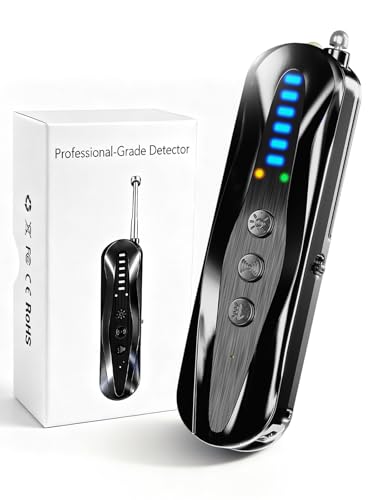
Hidden Camera Detectors,Infrared Pin-Hole Camera Finder,Wireless Camera detector, Anti-Spy Alarm and Bug Detector, GPS Tracker Detector, Portable Hidden Device Finder for Travel & Office(Black)
Check price on Amazon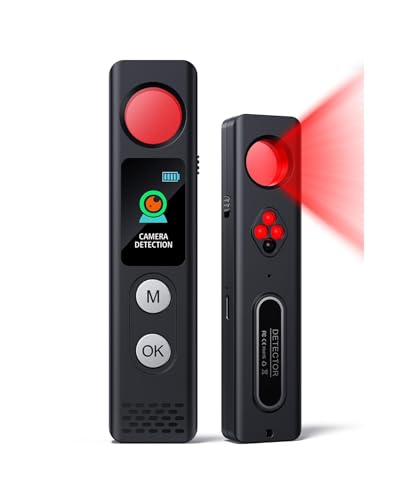
Apeemu Hidden Camera Detectors, Anti-Spy Camera Finder with LED Screen Rechargeable GPS Tracker&Bug Detector, Anti-Theft Alarm, 7 Modes Portable Privacy Protection for Airbnb, Hotel, Car, Office
Check price on Amazon
Hidden Camera Detector,GPS Tracker Detector,Anti-Spy Camera Finder(Black) | AI Chip Upgraded Camera Detector,Infrared Lens Finder,Bug Detector for Cars & Travel,Hotel,Home & Office Privacy Protection
Check price on Amazon
7-in-1 Hidden Camera Detectors,Bug Detector, Hero Privacy Pen, rf Detector,GPS Tracker Detector,Anti spy Detector,Listening Device Detector in Travel,Car,Office,Hotel to Protect Privacy( Black)
Check price on Amazon
Hidden Camera Detectors,6-in-1 GPS Tracker Detector,Bug Detector,RF Detector,Listening Device Detector for Travel,Car,Hotels,Bathroom,Home,Office(Black)
Check price on Amazon
Tapo 1080P Indoor Security Camera, Baby Monitor, Dog Camera, Wired, C100 | Motion Detection, 2-Way Audio, Siren, Night Vision, Cloud & SD Card Storage, Works w/Alexa & Google Home
Check price on Amazon
Hidden Camera Detectors, 8 Modes Anti-Spy Wireless Signal Scanner | LED Display, Protable GPS Tracker & Bug Detector, SOS & Lighting for Airbnb, Bathroom, Office, Car Travel Security
Check price on Amazon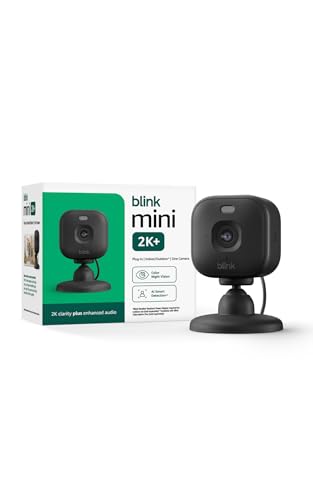
Blink Mini 2K+ (newest model) – Plug-in Home & Pet Indoor Security Camera with 2K video resolution, night vision, enhanced audio, motion detection – 1 camera (Black)
Check price on AmazonFinal Thoughts: The Sensor Is Your Foundation
The camera sensor is the foundation upon which your entire photographic system is built. It determines the lenses you can use, the situations you can shoot in, and the ultimate quality of your images. Understanding the differences between sensor sizes and technologies empowers you to make an informed decision that aligns with your creative goals and practical needs.
Whether you choose a compact Micro Four Thirds system for travel, an APS-C camera for its versatility, a full-frame workhorse for professional work, or a medium format monster for the ultimate in image quality, the key is to match the sensor to your needs—not to chase specifications for their own sake.
Now that you understand camera sensors, you're ready to explore other critical aspects of camera selection. Dive into our guides on lenses and sensors, camera setup and accessories, and shopping and reviews to complete your research and find your perfect camera.