
Best Camera for Blogging and Vlogging: Complete Buying Guide
Discover the essential features, top recommendations, and expert tips to choose the perfect camera for your content creation journey.
VIEW TOP PICKSWhy Trust This Guide? We've analyzed the latest mirrorless cameras, compact point-and-shoots, and hybrid shooters specifically for bloggers and vloggers. Our recommendations focus on real-world performance—autofocus reliability, audio quality, portability, and ease of use—so you can create professional content without the technical headache.
Why Your Camera Choice Matters for Blogging & Vlogging
In the competitive world of content creation, the quality of your video and audio directly impacts your audience retention and brand credibility. A dedicated camera for blogging and vlogging offers significant advantages over a smartphone: superior low-light performance, interchangeable lenses for creative flexibility, clean HDMI output for live streaming, and professional-grade audio inputs. Whether you're filming YouTube tutorials, Instagram Reels, or TikTok content, the right gear elevates your production value instantly.
However, choosing the best vlogging camera isn't about buying the most expensive model. It's about finding a balance between portability, autofocus speed, flip-screen usability, and battery life. Many creators start with a compact point-and-shoot or a budget-friendly video camera before upgrading to a full-frame system. Understanding your specific workflow—whether you shoot run-and-gun style or in a controlled studio—will determine which features are non-negotiable for you.
Key Features to Look for in a Vlogging Camera
Before diving into specific models, you need to understand the technical specifications that separate a good camera from a great vlogging tool. The most critical feature is a fully articulating flip screen, allowing you to monitor yourself while recording. Equally important is reliable continuous autofocus with eye-tracking, which keeps your face sharp even when you move around the frame. For creators who film outdoors, in-camera stabilization or a compatible gimbal is essential to avoid shaky footage.
Audio is often overlooked, but it's half of the viewing experience. Look for a camera with a dedicated microphone input and preferably a headphone jack for real-time monitoring. If you plan to shoot in various lighting conditions, a larger camera sensor (like APS-C or full-frame) will give you better dynamic range and cleaner low-light results. Finally, consider the lens ecosystem—a camera with a wide range of affordable lenses, like a wide-angle lens, will grow with your skills.
Recommended Camera for Blogging and Vlogging
⚠️ AFFILIATE DISCLOSURE: This website contains affiliate links. As an affiliate Associate, we earn from qualifying purchases. If you make a purchase through these links, we may receive a small commission at no additional cost to you. Read our full affiliate policy.

Lmzour 4K Vlogging Camera, Pocket Digital Camera, 330° Rotating Lens | Auto subject framing and WiFi sharing for YouTube, TikTok and travel, includes 16GB card, mini tripod and carrying bag
Check price on Amazon
4K Vlogging Camera, Handheld Camera for Beginners, AI Face Tracking, WiFi | 4K Video, 75MP Photos, PDAF Autofocus, 330° AI Face Tracking, 1.72" Touchscreen, WiFi App Control, Webcam
Check price on Amazon
4K Vlogging Camera 330°Rotating Lens Digital Pocket Cameras for YouTube | Face Tracking Vlog Camera, Fast Autofocus 75MP Portable Video Camera with WiFi 1.72”Touch Screen for TikTok
Check price on Amazon
Lmzour 4K Vlogging Camera, Pocket Digital Camera, 330° Rotating Lens | Auto subject framing and WiFi sharing for YouTube, TikTok and travel, includes 16GB card, mini tripod and carrying bag
Check price on Amazon
2K Vlogging Camera with Rotating Lens, Handheld Content Creator Camera | Pocket Vlog Camera with WiFi, 7-Hour Battery, 1.69” Screen, 32GB Card, Portable Blogging Camera for YouTube, TikTok, Travel
Check price on Amazon
Vlogging Camera 4K 330° Auto Rotating Lens Digital Gimbal Pocket Cameras | 75MP Face Tracking Vlog Camera, Fast Autofocus Portable Video Camera with WiFi 1.72”Touch Screen with Tripod
Check price on Amazon
4K Vlogging Camera for YouTube, 75MP Pocket Camera with 330° Rotating Lens | PDAF Autofocus, Face Tracking, 1.72" Touch Screen, WiFi, Tripod & 16GB Video Camera for Daily Recording
Check price on Amazon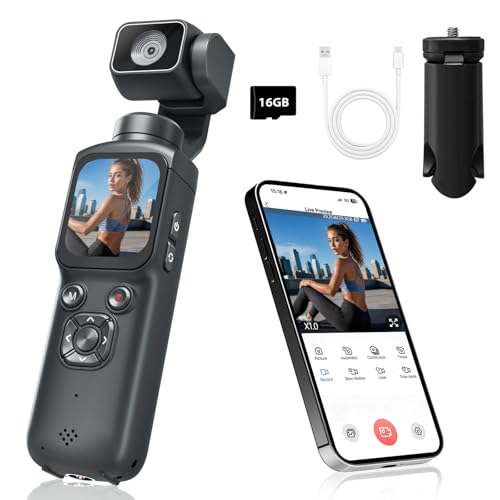
4K Pocket Camera for Vlogging,75MP Vlogging Camera with 330° Rotating Lens | WiFi,1.72" Touch Screen,Face Tracking,16GB TF Card & Tripod,Pocket Video Camera for Daily Recording
Check price on AmazonTypes of Cameras for Blogging and Vlogging
The market offers several distinct categories, each suited to different styles of content creation. Compact point-and-shoot cameras are the go-to choice for beginners and travel vloggers due to their pocketable size and built-in lenses. Models like the Sony ZV-1 series dominate this space. Mirrorless cameras with interchangeable lenses offer the best balance of quality and versatility; they are favored by serious YouTubers who want cinematic depth of field. For those transitioning from traditional film, a 35mm camera or a rangefinder camera can offer a unique aesthetic, though they are less practical for fast-paced vlogging.
If you're on a tighter budget or just starting, a point-and-shoot model or even a high-quality small camera for recording can be a fantastic entry point. For creators who need extreme portability, a mini video camera or a chest-mounted camera can capture immersive POV footage. However, for the majority of bloggers, a modern mirrorless camera with a flip screen remains the gold standard.
How Much Should You Spend?
Your budget will significantly influence your options. Entry-level vlogging cameras typically range from $400 to $800, offering 4K video and decent autofocus. Mid-range models, priced between $800 and $1,500, provide better sensor stabilization, superior low-light performance, and more professional audio inputs. Professional-grade full-frame cameras for vlogging can cost $1,500 to $3,500+, but they deliver unmatched image quality and lens versatility.
Remember that the camera body is just the beginning. You'll also need to budget for essential accessories like a Bluetooth selfie stick, a phone tripod stand for secondary angles, or a selfie light for better illumination. Investing in a good shoe-mount microphone is often more impactful than upgrading your camera body. For those who want a unique aesthetic, exploring a CCD camera or a Y2K camera can add a retro vibe to your content, though these are niche choices.
Essential Accessories for Vloggers
A great camera is only part of the equation. To streamline your workflow, you'll need a few key accessories. A sturdy tripod or a phone camera stand is crucial for stable shots and time-lapses. If you're filming yourself, a phone recorder stand or a dedicated vlogging tripod with a flip mechanism is invaluable. For audio, a shotgun microphone mounted on your camera's hot shoe will dramatically improve sound quality compared to built-in mics.
For travel vloggers, a compact camcorder or a rugged action camera can complement your main setup. If you're documenting your daily life, a car seat camera can capture interesting driving footage. And for those who want to experiment with different formats, a camera film roll or a 620 film camera can add a nostalgic touch to your blog's visual identity. Always ensure your camera bag includes a sensor cleaning kit to keep your image quality pristine.
Mirrorless vs. Point-and-Shoot for Vlogging
Mirrorless cameras offer superior image quality, interchangeable lenses, and better low-light performance, making them ideal for professional-looking vlogs. They allow you to use a high-resolution mirrorless camera for crisp 4K footage and achieve beautiful background blur. However, they are heavier, more expensive, and require separate lens purchases. In contrast, point-and-shoot cameras are compact, affordable, and often come with built-in ND filters and excellent built-in microphones, making them perfect for casual vlogging and travel.
If your primary goal is convenience and you shoot mostly outdoors in good light, a premium point-and-shoot or a pink vlogging camera (for a distinct style) might be sufficient. But if you plan to grow your channel and want to experiment with different looks, investing in a mirrorless system like a professional mirrorless camera is the smarter long-term choice. For those interested in cinematography, a cinema camera or a 8K camera can provide ultra-high-end production value.
Final Buying Tips for Content Creators
When making your final decision, prioritize autofocus reliability and battery life. A camera that hunts for focus will ruin your take, and a short battery life will interrupt your creative flow. Look for models that support USB-C charging, allowing you to power your camera with a power bank during long shoots. Consider the lens mount system—investing in a system with a wide range of affordable, high-quality lenses, like those from major camera brands, ensures future flexibility.
For those who want a versatile tool that can also take excellent photos, a hybrid pro camera or a video and photo camera is a wise choice. Don't forget to check for features like manual exposure controls and bulb mode for creative flexibility. If you're a beginner, a digital camera for sale in the entry-level range is a great way to start learning without a huge investment. Remember, the best camera is the one you have with you and enjoy using.