Compact Point-and-Shoot CCD Cameras
These are the most common CCD cameras, popular in the 2000s. They offer a nostalgic look and are great for casual photography. Models like the Canon PowerShot series are highly sought after.
Read More →
Discover the world of CCD cameras. Learn about their unique sensor technology, compare them to modern CMOS cameras, and find the best models for your needs.
Explore CCD CamerasThe AllCameraGuide Philosophy: CCD cameras are renowned for their exceptional color rendition and low-noise performance. Whether you're a vintage tech enthusiast or a professional seeking a specific look, understanding CCD technology is key to making an informed purchase.
A CCD (Charge-Coupled Device) camera is a type of digital camera that uses a CCD sensor to capture images. Unlike modern CMOS sensors, which convert charge to voltage within each pixel, CCD sensors transfer the entire charge across the chip to a single output node. This design results in several unique characteristics that many photographers still prize today. CCD cameras were the standard in digital photography and videography from the 1990s through the mid-2000s. They are found in various devices, from early point-and-shoot cameras to professional medium format digital cameras. If you're looking for a classic 90s camcorder or a Y2K camera, you're likely dealing with CCD technology.
The core of a CCD camera is its sensor, a silicon chip composed of a grid of millions of tiny capacitors. When light hits the sensor, each capacitor accumulates an electrical charge proportional to the light intensity. After exposure, these charges are transferred sequentially across the chip to a single readout amplifier. This analog signal is then converted to digital data by an analog-to-digital converter (ADC). This sequential readout is what gives CCD sensors their distinct characteristics. To understand how this compares to other technologies, it's helpful to review our guide on camera sensors.
While CMOS sensors dominate today's market, CCD sensors offer specific advantages that keep them relevant for certain applications.
For a detailed breakdown, see our comparison of CCD cameras and modern high-resolution mirrorless cameras. The choice often depends on your specific needs, such as the pro camera workflow or a budget-friendly setup.
CCD cameras are not for everyone, but they are ideal for specific users:
These are the most common CCD cameras, popular in the 2000s. They offer a nostalgic look and are great for casual photography. Models like the Canon PowerShot series are highly sought after.
Read More →Old-school camcorders for hunting and family videos used CCD sensors, delivering a distinct, warm image quality that is hard to replicate with modern gear.
Read More →High-end studio and medium format digital cameras from brands like Hasselblad and Phase One used large CCD sensors for unmatched detail and color.
Read More →⚠️ AFFILIATE DISCLOSURE: This website contains affiliate links. As an affiliate Associate, we earn from qualifying purchases. If you make a purchase through these links, we may receive a small commission at no additional cost to you. Read our full affiliate policy.

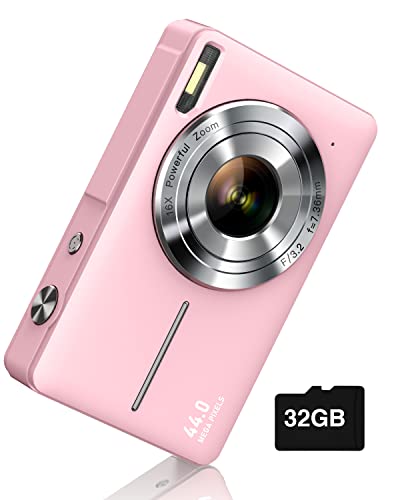


When shopping for a CCD camera, consider these factors:
Proper maintenance is key to keeping your CCD camera in top shape. Always use a sensor clean kit when needed, and store your camera in a dry, dust-free environment. For older camcorders, like an 8mm camcorder, check the heads regularly. If you're using a Video 8mm player, ensure tapes are clean.
Don't miss a single essential! Our comprehensive checklist covers sensor, lens mount, features, and must-have accessories for your CCD camera.
Read More →We break down the technical differences and real-world implications of CCD and CMOS sensors to help you choose.
Read More →Tips for sourcing classic CCD cameras from Y2K cameras to 90s camcorders in good condition.
Read More →The information provided on AllCameraGuide is for educational and informational purposes only. We are not professional camera technicians or photographers, and our content should not replace professional advice. Always consult with a qualified expert regarding camera compatibility, safety, or technical concerns. Some content may use AI assistance. Always check product warranties and safety standards before purchasing. If you do not agree, please do not use this website. Read the full disclaimer.