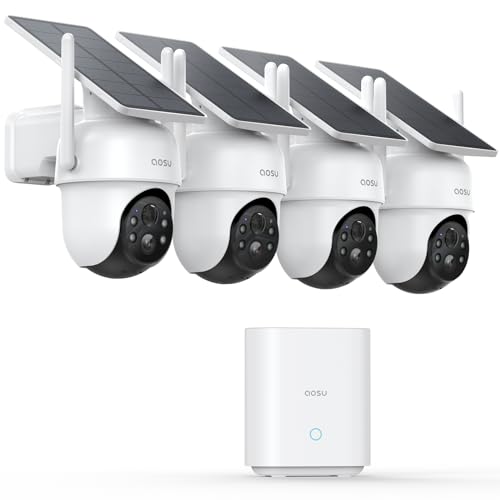
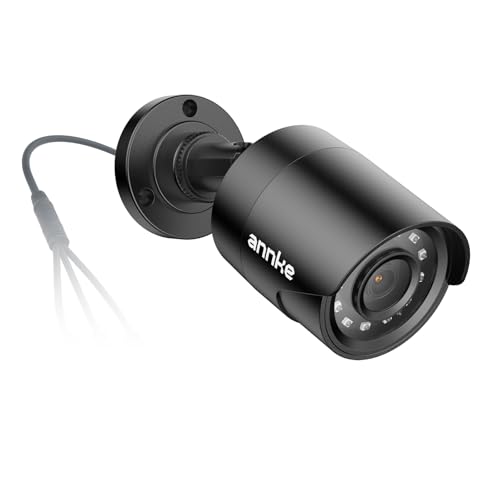
If you are serious about home security, you have likely realized that not all camera systems are created equal. While wireless cameras are convenient, they can suffer from signal interference, battery drain, and limited bandwidth. A wired security camera system eliminates these variables, providing a constant, uninterrupted stream of high-definition video. This is why professionals and homeowners who demand the highest level of security often turn to wired solutions.
However, choosing the right system involves more than just picking a brand. You need to understand the different wiring standards, the importance of a reliable recorder, and how to integrate features like night vision and audio. Whether you are looking for an 8-channel wired security camera system for a large property or a simpler setup for a small business, the principles remain the same.
Why Choose a Wired System Over Wireless?
The primary advantage of a wired setup is reliability. Unlike wireless cameras that rely on Wi-Fi, a wired system transmits power and data through physical cables. This means you never have to worry about a dead battery or a dropped signal. For critical outdoor areas, this constant uptime is essential. If you are comparing options, you might also look at outdoor use wireless security camera system as an alternative, but for true 24/7 monitoring without interruptions, wired is often superior.
Another key benefit is video quality. Wired systems can support higher resolutions and bitrates without the compression artifacts that can plague wireless streams. This results in clearer images, which is crucial for identifying faces or license plates. If you need high-resolution evidence, a wired system is the way to go.
Types of Wired Security Camera Systems
When shopping for an outdoor use wired security camera system, you will encounter two main types: analog (HD-CVI/TVI/AHD) and IP (PoE).
- Analog Systems: These use coaxial cables (BNC) to transmit video and a separate power wire. They are generally more affordable and easier to install if you are upgrading an older system. If you are looking for a cost-effective solution, an affordable security camera for outside might be an analog kit.
- IP Systems (PoE): Power over Ethernet (PoE) systems use a single Ethernet cable for both power and data. This simplifies installation and allows for higher resolutions and advanced features. If you want top-tier performance, a top-of-the-line outdoor security camera is likely a PoE model.
Key Features to Look For
Not all wired systems are the same. When evaluating options, pay close attention to these features:
- Night Vision: A good outdoor camera must perform in low light. Look for models with high-resolution night vision to ensure clear footage after dark. The best systems offer night vision and audio for comprehensive monitoring.
- Resolution: 1080p is the minimum standard today, but 4K (8MP) is becoming increasingly common. Higher resolution means more detail, which is vital for identifying intruders.
- Audio: Built-in microphones and speakers allow for two-way communication. A camera with microphone for home security can be a powerful deterrent.
- Storage: Most wired systems use a DVR (Digital Video Recorder) or NVR (Network Video Recorder). Ensure the system includes a hard drive or supports one. A security camera with recorder built in simplifies setup.
Installation and Planning
Installing a wired system requires more planning than a wireless one. You need to run cables from each camera to the recorder. This often involves drilling through walls and routing cables through attics or basements. If you are not comfortable with DIY, you may want to hire a professional. You can find companies that install home security cameras in most areas.
Proper placement is critical. You should install cameras at entry points and areas with high traffic. For tips on where to position them, see our guide on where to install security cameras outside home. If you need a system that can cover a wide area, an 8-channel outdoor security camera system provides ample coverage.
Advanced Features and Integration
Modern wired systems are not just about recording. Many offer smart features like motion detection alerts and remote viewing. You can find systems that connect to your phone, allowing you to check in from anywhere. If you want to avoid monthly fees, look for a security camera system with no subscription.
For areas prone to power outages, consider a wired security camera with battery backup. And if you need continuous recording, an outdoor security camera with continuous recording ensures you never miss a moment. Some systems even integrate with smart home ecosystems, like a smart home wireless video doorbell setup, though that is typically wireless.
Making the Final Decision
Choosing an outdoor wired security camera system is an investment in your peace of mind. By focusing on reliability, video quality, and the right features for your needs, you can build a system that protects your home for years. Whether you need a simple 8-channel wired security camera system or a more advanced setup, the key is to do your research and choose a reputable brand.
Remember to consider your budget. Wired systems can range from a few hundred dollars to several thousand, depending on the number of cameras and features. A typical 4-camera 1080p system might cost around $300–$600, while a 4K PoE system with 8 cameras can range from $800–$2,500 or more. Always check the latest prices and reviews before purchasing.