
Outdoor Wired Security Cameras: The Ultimate Guide to Reliable Protection
When it comes to protecting your home or business, a wired connection is still the gold standard for reliability, zero lag, and uninterrupted 24/7 recording. Unlike their wireless counterparts, outdoor wired cameras don't rely on batteries or spotty Wi-Fi signals. They are the backbone of any serious surveillance system.
Why Choose Wired? If you are looking for a "set it and forget it" solution, a wired camera is your best bet. You get continuous power, a stable data connection, and typically higher video quality. In this guide, we'll break down everything you need to know before you buy.
Why Wired Cameras Are Still the Top Choice
In a world dominated by wireless gadgets, wired security cameras remain the preferred choice for serious homeowners and businesses. The primary reason is simple: reliability. A wireless camera can be jammed, its battery can die at the worst moment, or it can lose connection to the router. A wired camera, on the other hand, is physically connected to your power source and recording device (DVR/NVR). This ensures a constant stream of high-definition video without interruption.
Furthermore, wired systems, especially those using Power over Ethernet (PoE), are much easier to install than you might think. A single cable handles both power and data transmission, reducing cable clutter. If you are serious about security, understanding the difference between a comprehensive outdoor camera system and a standalone unit is crucial. Wired setups are the foundation of a robust CCTV security camera installation.
Understanding Wired Connections: PoE vs. Analog
Before you buy, you need to know the two main types of wired connections:
- Analog (HD-CVI/TVI/AHD): These use a coaxial cable (like traditional cable TV) to transmit video and a separate power wire. They are cost-effective and great for upgrading older systems. You can find many affordable options in our guide to budget-friendly security cameras.
- IP / PoE (Power over Ethernet): These cameras use a standard Ethernet cable to send both power and data. They offer higher resolution (up to 4K or 8K) and are easier to install since you only need to run one cable. This is the modern standard for high-resolution surveillance.
If you are building a new system, PoE is the way to go. If you are on a tighter budget or upgrading an old DVR system, analog is still a viable, reliable option. For those who prefer a hybrid approach, you might look at a Wi-Fi home security camera for indoor areas and keep your outdoor perimeter wired.
Key Features to Look For in an Outdoor Wired Camera
Not all wired cameras are created equal. When shopping, pay close attention to these specifications:
1. Weather Resistance (IP Rating)
Since the camera will be outside, it must be able to withstand rain, dust, and extreme temperatures. Look for an IP66 or IP67 rating. An IP67 rating means it is completely dust-tight and can withstand immersion in water for a short time. This is non-negotiable for outdoor use.
2. Night Vision & Low-Light Performance
Most crimes happen under the cover of darkness. A good outdoor camera should have excellent night vision. Look for models with IR (Infrared) LEDs or, even better, Color Night Vision, which uses a bright spotlight and advanced sensor to capture color footage in the dark. If you need to see far in the dark, a night vision camcorder is a specialized tool, but for fixed surveillance, a good IR camera is sufficient.
3. Resolution and Field of View
1080p is the minimum standard today; 2K or 4K is better if you need to identify faces or license plates. A wider field of view (like 120 degrees) covers more area but can distort the image at the edges. For specific areas like a driveway, a narrower view might be better. If you are looking at a wider area, a wide-angle lens for real estate photography is a different beast, but the principle of coverage is similar.
4. Storage Options
Wired cameras typically record to a local NVR (Network Video Recorder) or DVR with a hard drive. This means no monthly cloud fees. Some systems also offer cloud backup as a secondary option. Always ensure the system supports the storage capacity you need.
Installation & Setup: What to Expect
Installing a wired system requires a bit of planning. You'll need to run cables from each camera location to your recording unit. This might involve drilling through walls and attic spaces. If you are not comfortable with DIY, it's best to hire a professional. However, the result is a permanent, maintenance-free setup.
For those who are handy, running Ethernet cables is straightforward. Just make sure to use outdoor-rated, UV-resistant cables. If you are mounting a camera high up, ensure you have a secure mount, similar to how you would secure a chest camera for action shots, but with much more stability.
Top Rated Outdoor Wired Security Cameras
⚠️ AFFILIATE DISCLOSURE: This website contains affiliate links. As an affiliate Associate, we earn from qualifying purchases. If you make a purchase through these links, we may receive a small commission at no additional cost to you. Read our full affiliate policy.
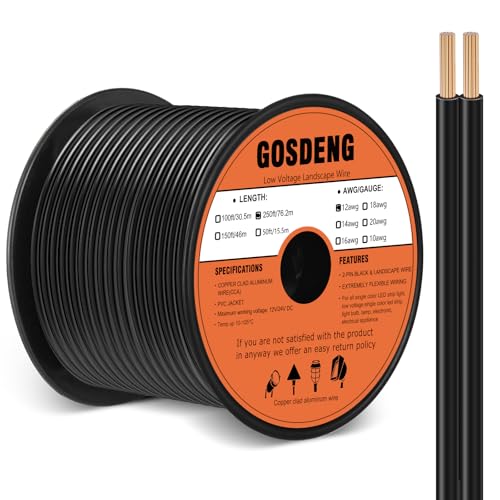
GOSDENG 12/2 Low Voltage Landscape Wire, 12 gauge Direct Burial Cable 250ft | CCA, with Spool, Weatherproof, 12 awg 2 Conductor for Outdoor Landscape Lighting & including path & wall Lights
Check price on Amazon
Ring Floodlight Cam Wired Plus, Outdoor Home or Business Security with Motion-Activated 1080p HD Video and Floodlights, White
Check price on Amazon
Energeaster 14/2 UF-B 50FT Solid Underground Feeder Direct Burial Cable | UV & Moisture Resistant, Ideal for Outdoor Lighting & Pump Installations & Residential Indoor Electrical Projects, UL listed
Check price on Amazon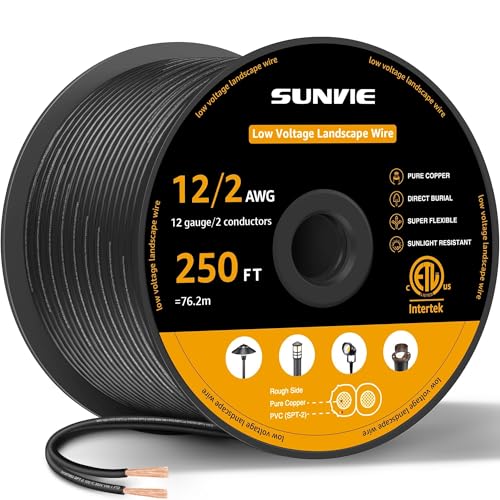
SUNVIE 12/2 Low Voltage Landscape Wire 12 Gauge Pure Copper Wire, 250FT | Pure Copper, Direct Burial, ETL Listed, Weatherproof, with Spool, 12 Gauge 2 Conductor for Outdoor Landscape Lighting
Check price on Amazon
Indoor Outdoor Thermometer Hygrometer Wireless Weather Station | 4.5" Clear Backlight Display, No Setup Required, Battery Powered, Heat Mold Dew Index for Garage Patio for Gifts Presents
Check price on Amazon
THE CIMPLE CO Single Cable Clips with Screws - 1/4 Inch Coaxial Cable Clamps Outdoor - Exterior Cord Management for Coax, CAT Ethernet, Electrical Wire - Screw Clamps for Wires - 100 PCS, Black
Check price on Amazon
Monoprice Cat6 Outdoor Rated Ethernet Patch Cable - 5 Feet - Black | Snagless RJ45, Stranded, 550MHz, UTP, Pure Bare Copper Wire, 24AWG
Check price on Amazon
Blink Outdoor 4 – Wireless smart security camera, two-year battery life, 1080p HD day and infrared night live view, two-way talk. Sync Module Core included – 5 camera system
Check price on AmazonMaintenance and Long-Term Care
One of the biggest advantages of wired cameras is their low maintenance. However, you should still periodically clean the lens and housing to ensure clear footage. Dust, spiderwebs, and water spots can degrade image quality. Use a microfiber cloth and a mild cleaning solution. If you notice any issues with the sensor, such as persistent blurriness, you might need to perform a sensor clean, though this is rare for outdoor units.
Also, check the cables and connections annually for wear and tear, especially if they are exposed to direct sunlight. A little preventive care goes a long way in ensuring your security system lasts for years.
Final Verdict: Is a Wired Camera Right for You?
If you prioritize reliability, video quality, and a one-time cost (no subscription fees), an outdoor wired camera is the best choice. They are perfect for homeowners who want a permanent security solution. While the initial installation might be more involved than sticking a wireless camera on a wall, the peace of mind you get from a wired system is unmatched.
Whether you choose a simple outdoor security camera system or a complex multi-camera setup, investing in wired technology is an investment in your safety. For those who need a temporary or rental-friendly solution, a wire-free home security camera might be a better fit, but for permanent peace of mind, wired is the champion.