
Point and Shoot Film Camera: The Complete Buying Guide
Rediscover the magic of analog photography. From compact 35mm classics to modern 110 film options, find the perfect point and shoot film camera for your creative journey.
Explore Top PicksWhy Point and Shoot Film Cameras? In an age of digital perfection, point and shoot film cameras offer something invaluable: authenticity. These compact, easy-to-use cameras capture moments with a unique aesthetic that digital sensors struggle to replicate. Whether you're a seasoned photographer looking to slow down or a beginner exploring analog for the first time, a point and shoot film camera delivers a tactile, rewarding experience that reconnects you with the art of photography.
What to Look for in a Point and Shoot Film Camera
Before diving into specific models, it's essential to understand the key factors that determine a camera's performance, usability, and long-term value. A well-chosen point and shoot can last for decades with proper care, while a poor choice may leave you frustrated and out of pocket.
Film Format & Compatibility
The most common format for point and shoot cameras is 35mm film, which offers excellent image quality, widespread availability, and easy processing. Some compact cameras use 110 film, a smaller cartridge format that's more portable but produces lower-resolution images. For serious photographers, 35mm remains the standard choice due to its versatility and the vast range of film stocks available, from black and white 35mm film to vibrant color negative and slide films.
Typical Cost: $50–$800+Lens Quality & Aperture
The lens is arguably the most critical component of any camera. Look for models with a fast maximum aperture (f/2.8 or lower) for better low-light performance and more creative control over depth of field. Prime lenses (fixed focal length) generally outperform zoom lenses in compact cameras, offering sharper images and better contrast. A 50mm prime lens equivalent is ideal for everyday shooting, while a wide-angle lens (28mm or 35mm) is perfect for street photography and landscapes.
Fast Lens: $150–$1,200Autofocus & Exposure Systems
Modern point and shoot film cameras from the 1980s and 1990s feature sophisticated autofocus and auto-exposure systems that make shooting effortless. Look for models with reliable autofocus, multiple exposure modes (program, aperture priority, shutter priority), and a built-in flash with red-eye reduction. Some high-end compacts also offer manual controls for photographers who want more creative freedom. A good viewfinder camera ensures you can frame your shots accurately even in bright sunlight.
Advanced Features: $200–$1,500Build Quality & Portability
The best point and shoot film camera is one you'll actually carry with you. Look for compact, lightweight models with durable metal or high-quality plastic bodies. Weather-sealed options are available for outdoor enthusiasts, though they command a premium. A camera that fits comfortably in your pocket or bag is more likely to become your everyday companion. Consider models with a rugged digital camera build if you plan to shoot in challenging environments.
Compact & Durable: $100–$900Top Point and Shoot Film Cameras for Every Budget
The market for point and shoot film cameras ranges from affordable entry-level models to highly sought-after premium compacts. Here are our recommendations based on performance, reliability, and value.
Best Budget: Compact 35mm Cameras
For those just starting out, there are excellent budget-friendly options that deliver impressive results without breaking the bank. These cameras typically feature fixed-focus lenses, automatic film advance, and built-in flash. They're perfect for casual snapshots and learning the basics of film photography. If you're looking for a cheap point and shoot camera to get started, this category offers tremendous value.
Pros
- Very affordable entry point
- Lightweight and portable
- Easy to use for beginners
Cons
- Limited manual controls
- Basic lens quality
- Plastic build
Best Mid-Range: Premium Compacts
Mid-range point and shoot film cameras offer the sweet spot between affordability and performance. These models feature sharper lenses, better autofocus systems, and more advanced exposure controls. Many premium compacts from the 1990s, such as those with fast f/2.8 lenses and titanium bodies, have become highly collectible. For photographers who want a compact camera that delivers professional-level results, this category is ideal.
Pros
- Excellent lens quality
- Advanced exposure modes
- Durable construction
Cons
- Higher price point
- May require servicing
- Limited availability
Best for Travel: Compact & Lightweight
When traveling, portability is paramount. Look for ultra-compact models that slip easily into a pocket or small bag. Many travel-friendly point and shoot cameras feature durable construction, reliable metering, and excellent battery life. A compact camera for travel should be lightweight, inconspicuous, and capable of capturing stunning landscapes and street scenes alike.
Pros
- Ultra-portable design
- Discreet for street photography
- Long battery life
Cons
- May lack advanced features
- Small viewfinders
- Limited zoom range
Best Premium: High-End Compacts
At the top of the market, premium point and shoot film cameras offer exceptional build quality, fast prime lenses, and advanced features that rival professional SLRs. These cameras are highly sought after by collectors and serious photographers alike. Models with titanium bodies, aspherical lenses, and advanced metering systems command premium prices. If you're looking for a 35mm SLR film camera alternative that's more compact, these premium compacts are worth the investment.
Pros
- Exceptional image quality
- Premium build materials
- Advanced features
Cons
- Very expensive
- Difficult to repair
- Collector's market pricing
Choosing the Right Film for Your Point and Shoot
The film you choose dramatically affects the look and feel of your images. Here's a quick guide to the most popular film types for point and shoot cameras.
Color Negative Film
Color negative film is the most forgiving and versatile option for point and shoot cameras. It offers wide exposure latitude, meaning it can handle slight underexposure or overexposure without catastrophic results. Popular options include Kodak Portra, Gold, and Ektar, as well as Fujifilm Superia and Pro 400H. This film type is perfect for everyday shooting, portraits, and travel photography.
Cost per roll: $8–$15Black and White Film
For a timeless, artistic look, black and white 35mm film is an excellent choice. It offers incredible tonal range and is relatively easy to process at home. Popular stocks include Ilford HP5, Kodak Tri-X, and T-Max. Black and white film is ideal for street photography, documentary work, and fine art projects.
Cost per roll: $6–$12Slide Film (Reversal Film)
Slide film produces vibrant, high-contrast images with rich colors and fine grain. It's less forgiving than negative film, requiring precise exposure, but the results are stunning. Fujifilm Velvia and Provia are legendary among landscape photographers. Slide film is perfect for projection and scanning, offering exceptional detail and color saturation.
Cost per roll: $15–$25Specialty Films
Beyond the standard options, there are specialty films for creative effects. Infrared film, for example, produces surreal, dreamlike images with glowing foliage and dark skies. Redscale film, created by flipping the film in the cassette, yields warm, orange-toned images. These films offer unique creative possibilities for experimental photographers.
Cost per roll: $12–$30Our Verdict: Which Point and Shoot Film Camera Is Right for You?
If you're just starting out, a budget-friendly compact 35mm camera is the perfect introduction to film photography. For enthusiasts who want better image quality and more control, a mid-range premium compact offers the best balance of performance and price. Travelers should prioritize portability and durability, while serious photographers and collectors may find the ultimate satisfaction in a high-end premium compact.
Regardless of your choice, the most important thing is to get out there and shoot. Film photography is a journey of discovery, and the right point and shoot camera will become a trusted companion on that adventure.
View Recommended CamerasRecommended Point and Shoot Film Camera
⚠️ AFFILIATE DISCLOSURE: This website contains affiliate links. As an affiliate Associate, we earn from qualifying purchases. If you make a purchase through these links, we may receive a small commission at no additional cost to you. Read our full affiliate policy.

KODAK Snapic A1 35mm Film Camera 35mm, Reusable, 2-Zone Focus, Lightweight, Compact (Rhino Grey) (Film & AAA Battery are not Included)
Check price on Amazon
KODAK Snapic A1 35mm Film Camera 35mm, Reusable, 2-Zone Focus, Lightweight, Compact (Ivory White) (Film & AAA Battery are not Included)
Check price on Amazon
KODAK EC35 35mm Film Camera 35mm, Reusable, Focus-Free, Built-in Flash, Slide Cover, Beginner Friendly (Film & AA Battery are not Included) (Single, Avocado Green)
Check price on Amazon
KODAK EC35 35mm Film Camera 35mm, Reusable, Focus-Free, Built-in Flash, Slide Cover, Beginner Friendly (Midnight Black) Bundle with Kodak Ultramax 400/24EXP 35mm Roll Film
Check price on Amazon
Kodak EKTAR H35 Half Frame 35mm Camera, Reusable, Focus-Free, Lightweight, Easy to Use (AAA Battery Not Included) (Black, Bundle with 24-Exposure Film)
Check price on Amazon
Canon Sure Shot Zoom-S 35mm Point and Shoot Film Camera SAF Canon with Zoom Lens 38-60mm. Built-in Flash and film rewinder as well as counter. (Renewed)
Check price on Amazon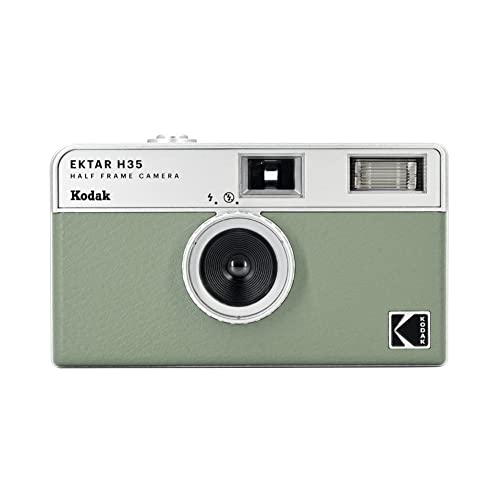
KODAK EKTAR H35 Half Frame Film Camera, 35mm, Reusable, Focus-Free, Lightweight, Easy-to-Use (Sage) (Film & AAA Battery are not Included)
Check price on Amazon
KODAK Snapic A1 35mm Film Camera, Reusable, 2-Zone Focus, Lightweight, Compact (Rhino Grey) Bundle with Kodak Ultramax 400/24EXP 35mm Roll Film
Check price on AmazonFrequently Asked Questions About Point and Shoot Film Cameras
Are point and shoot film cameras still worth buying?
Absolutely. Point and shoot film cameras offer a unique aesthetic, tactile shooting experience, and a sense of authenticity that digital cameras can't replicate. They're also a great way to learn photography fundamentals without the distraction of endless menus and settings.
What is the best film for a point and shoot camera?
For beginners, color negative film like Kodak Gold or Fujifilm Superia is excellent due to its forgiving exposure latitude. For artistic work, black and white film like Ilford HP5 offers timeless results. Slide film is best for experienced photographers seeking maximum color saturation and detail.
How much should I spend on a point and shoot film camera?
You can find excellent entry-level models for $50–$150. Mid-range premium compacts typically cost $200–$800, while high-end collectible models can exceed $2,500. Determine your budget based on your needs and how serious you are about film photography.
Can I still get film processed?
Yes, film processing is widely available online and at dedicated photo labs. Many pharmacies and big-box stores also offer basic film development services. For professional results, look for labs that specialize in film processing and scanning.