
Black and White 35mm Film: The Timeless Art of Monochrome
Discover the magic of analog photography. From choosing the right film stock to mastering development and scanning, this guide covers everything you need to create stunning black and white images with 35mm film.
START LEARNINGWhy Black and White 35mm Film? In a world dominated by digital perfection, black and white film offers a unique aesthetic that is both nostalgic and timeless. Its grain, contrast, and tonal range cannot be perfectly replicated by digital sensors. Whether you're a beginner or a seasoned pro, shooting B&W 35mm film is a rewarding journey that will elevate your photography.
Why Choose Black and White 35mm Film?
Black and white photography is not just about removing color; it's about seeing the world in terms of light, shadow, texture, and form. When you shoot with black and white 35mm film, you are forced to focus on the essentials of composition. The medium itself has a rich history, and the look of classic films like Kodak Tri-X or Ilford HP5 is beloved by photographers worldwide.
One of the main advantages of B&W film is its forgiving nature. It offers a wide exposure latitude, meaning you can underexpose or overexpose by a stop or two and still get a usable image. This makes it perfect for beginners learning to master their 35mm SLR film camera or a simple point and shoot film camera. Additionally, B&W film is generally cheaper to buy and develop than color film, making it an affordable way to get into analog photography.
If you are just starting out and looking for an affordable camera to pair with your film, exploring affordable DSLRs might be a digital alternative, but nothing beats the tactile experience of loading a roll of film into a classic camera like a 35mm SLR.
Classic Black and White Film Stocks
The choice of film stock dramatically affects the look of your final image. Here are some of the most popular and widely available black and white 35mm films:
- Kodak Tri-X 400: A legendary film known for its gritty grain, high contrast, and excellent push-processing capabilities. It's a favorite for street photography and photojournalism.
- Ilford HP5 Plus 400: Extremely versatile with a classic grain structure. It handles a wide range of lighting conditions and pushes well to 1600 or even 3200.
- Ilford Delta 100/400/3200: A modern, tabular-grain film that offers finer grain and smoother tonality compared to traditional films. Delta 3200 is a go-to for low-light situations.
- Kodak T-Max 100/400: Known for its fine grain, high sharpness, and excellent tonal range. T-Max 100 is ideal for landscapes and detailed work.
- Fomapan 100/200/400: A budget-friendly Czech film that offers a classic look. It's a great option for experimentation and learning.
When selecting a film, consider the speed (ISO). A 400-speed film is a great all-rounder, while a 100-speed film is perfect for bright, sunny days and fine detail. For more specific needs, you might also look into a point and shoot film camera that can handle these stocks with ease.
Choosing a Camera for Black and White Film
Almost any 35mm film camera can shoot black and white film, but some are better suited than others. If you're in the market for a camera, here are some options to consider:
SLR Cameras: A classic 35mm SLR film camera gives you full control over exposure and allows you to use interchangeable lenses. This is ideal for those who want to learn the technical aspects of photography. Brands like Nikon, Canon, Pentax, and Olympus made excellent SLRs that are still available on the used market.
Point and Shoot Cameras: For a more casual, spontaneous approach, a point and shoot film camera is perfect. These compact cameras are easy to carry and often have decent lenses. Popular models include the Olympus Mju series, Yashica T4, and Contax T2.
Budget Options: If you're on a tight budget, you can find great deals on used cameras. Check out affordable DSLRs for digital options, or look for entry-level film cameras like the beginner professional camera models from the 80s and 90s.
For those interested in a more modern take, you might also consider a digital camera for photography with a black and white mode, but the analog experience is unmatched.
Developing and Scanning Your Film
Once you've shot your roll, you have two main options: send it to a lab or develop it yourself. Developing black and white film at home is surprisingly easy and cost-effective. You'll need a developing tank, reel, chemicals (developer, stop bath, fixer), and a dark place to load the film.
If you prefer to send it to a lab, many online services offer affordable developing and scanning. When scanning, you can either use a dedicated film scanner or a flatbed scanner with a film holder. For high-quality results, a dedicated scanner like the Plustek OpticFilm or a DSLR scanning setup is recommended.
If you're interested in other types of cameras, you might also explore a viewfinder camera or a compact camera for your film adventures. And for those who want to experiment with different formats, there's always 110 film.
Tips for Shooting Stunning Black and White Film
- Use Filters: A yellow, orange, or red filter can dramatically change the contrast in your black and white images. A red filter darkens blue skies and makes clouds pop. You can use a CPL filter for other effects, but for B&W, colored filters are key.
- Focus on Texture and Form: Without color, the viewer's eye is drawn to shapes and textures. Look for patterns, lines, and contrasts in your composition.
- Expose for the Shadows: Black and white film has great latitude, but it's generally best to expose for the shadows to retain detail. You can always bring back highlights in post.
- Experiment with Pushing: Pushing the film (rating it at a higher ISO than box speed) increases contrast and grain, giving a moody look. This is great for low-light situations.
- Master Your Meter: A good photography light meter is invaluable for getting accurate exposures, especially with older cameras.
Recommended Black and White 35mm Film & Gear
⚠️ AFFILIATE DISCLOSURE: This website contains affiliate links. As an affiliate Associate, we earn from qualifying purchases. If you make a purchase through these links, we may receive a small commission at no additional cost to you. Read our full affiliate policy.
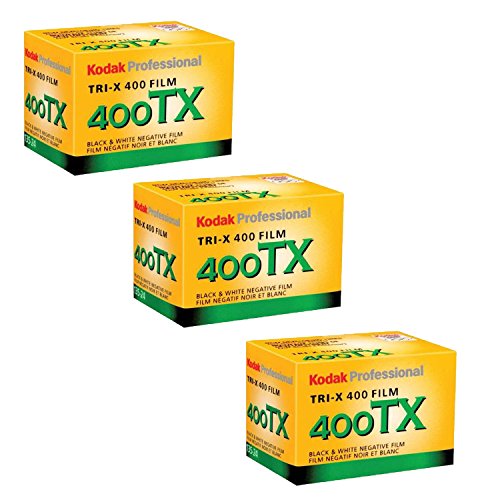
Kodak Tri-X 400TX Professional Black & White Film ISO 400, 35mm, 24 Exposures (3 Pack)
Check price on Amazon
Ilford 1574577 HP5 Plus, Black and White Print Film, 35 mm, ISO 400, 36 Exposures (Pack of 3)
Check price on Amazon
Ilford HP5 Plus Black and White Printing Film 35mm ISO 400 36 Poses 2-Pack
Check price on Amazon
Ilford HP5 Plus 400 36-Exposure 6-Roll B&W 35mm Film
Check price on Amazon
Kodak Tri-X 400TX Professional ISO 400, 36mm, Black and White Film
Check price on Amazon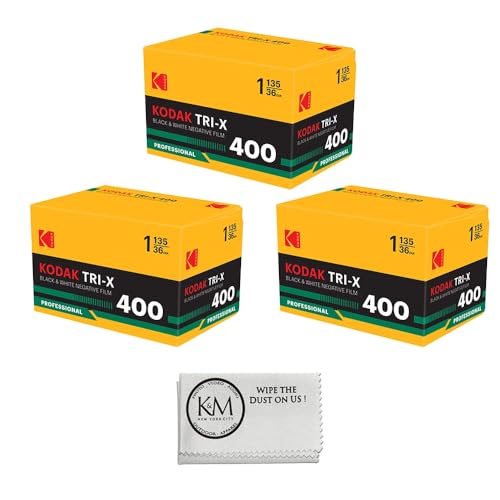
Kodak Tri-X 400 Black & White Negative Film | 35mm Roll Film | 36 Exposures Per Roll, Classic Grain Structure and Fine Grain| 3 Rolls with Microfiber Cloth
Check price on Amazon
Ilford 1780624 Delta 100 Professional Black-and-White Film, ISO 100, 35mm 36-Exposure (2 Pack)
Check price on Amazon
400TX Tri-X 135-36 2-Pack by Kodak
Check price on AmazonRelated Guides & Resources
If you're looking to expand your knowledge, check out these related guides:
- 35mm SLR Film Camera Guide - Find the perfect classic SLR.
- Point and Shoot Film Camera Guide - Compact cameras for everyday carry.
- Photography Light Meter Guide - Essential tool for film photographers.
- CPL Filters Guide - Understanding filters for film and digital.
- Beginner Professional Camera Guide - Cameras for those starting out.