
CPL Filters: The Complete Guide to Circular Polarizers
Discover how circular polarizing filters can transform your photography by reducing glare, enhancing colors, and adding depth to your images. Learn everything you need to know before buying your first CPL filter.
Shop CPL FiltersWhy CPL Filters Matter: A circular polarizing filter is one of the few camera accessories that creates an effect you simply cannot replicate in post-processing. It physically controls how light enters your lens, delivering results that look natural and stunning.
What Is a CPL Filter?
A CPL (Circular Polarizing Lens) filter is a camera lens accessory that attaches to the front of your lens and controls the polarization of light entering your camera. Unlike linear polarizers that can interfere with autofocus systems, circular polarizers are specifically designed for modern DSLR and mirrorless cameras, allowing them to work seamlessly with autofocus and metering systems.
The filter consists of two glass elements that work together to block polarized light waves. When you rotate the outer ring of the filter, you can control which light waves are blocked and which pass through to your sensor. This simple rotation gives you precise control over reflections, glare, and color saturation in real time.
For photographers who shoot landscapes, architecture, or outdoor scenes, a CPL filter is often considered the single most important filter to own. It pairs exceptionally well with a wide-angle lens for capturing expansive scenes with rich, saturated skies. If you are just starting to build your gear collection, a CPL filter should be high on your priority list alongside your 50mm prime lens or 70-200mm lens.
How Do CPL Filters Work?
To understand CPL filters, you first need to understand polarized light. Light waves typically vibrate in all directions, but when light reflects off non-metallic surfaces like water, glass, or leaves, it becomes polarized and vibrates in a single plane. This polarized light is what causes harsh glare and washed-out colors in your photographs.
A CPL filter selectively blocks this polarized light while allowing unpolarized light to pass through. By rotating the filter, you can adjust the angle at which polarized light is blocked, giving you control over the intensity of the effect. This is why you can see the effect change as you turn the filter ring while looking through your viewfinder or at your camera's LCD screen.
Pro Tip: The maximum polarization effect occurs when the sun is at a 90-degree angle to your subject. This means CPL filters work best during mid-morning and mid-afternoon, not during sunrise or sunset when the sun is low on the horizon.
The technology behind CPL filters involves a linear polarizing film sandwiched between two layers of glass, with a quarter-wave plate behind the film to convert the remaining polarized light into circularly polarized light. This circular polarization is what allows modern autofocus systems to function correctly when using the filter.
Key Benefits of Using CPL Filters
Photographers around the world rely on CPL filters for several compelling reasons. Understanding these benefits will help you decide if a CPL filter is right for your photography style.
1. Eliminates Glare and Reflections
The most dramatic benefit of a CPL filter is its ability to cut through glare on non-metallic surfaces. This means you can photograph through water to capture what lies beneath, see through glass windows without distracting reflections, and eliminate the shiny sheen on leaves and foliage. This effect is impossible to replicate with editing software because the glare is physically removed before the light reaches your sensor.
For photographers who love capturing nature, this glare reduction can be game-changing. It also works beautifully with specialized cameras like waterproof digital cameras when shooting near or under water.
2. Enhances Color Saturation
CPL filters deepen blue skies and make white clouds pop with dramatic contrast. They also boost the saturation of foliage, making greens appear richer and more vibrant. This color enhancement is achieved by blocking the polarized light that washes out colors, resulting in images that look naturally vivid without the oversaturated appearance of heavy post-processing.
When combined with proper exposure techniques, a CPL filter can make your landscape photos look like they were taken with professional-grade equipment, even if you are using a budget-friendly mirrorless camera or an affordable DSLR.
3. Increases Contrast and Depth
By reducing atmospheric haze, CPL filters add depth and clarity to distant subjects. This is particularly valuable for landscape photography where you want to capture distant mountains or cityscapes with crisp detail. The filter cuts through the haze that typically reduces contrast in long-distance shots, revealing details that would otherwise be lost.
4. Controls Reflections on Water and Glass
Whether you are photographing a serene lake or a city skyline through a window, a CPL filter gives you control over reflections. You can choose to eliminate them entirely for a clear view, or dial in just enough reflection to add visual interest. This versatility makes CPL filters essential for architectural photography and any situation where glass or water is present.
When Should You Use a CPL Filter?
CPL filters are not a one-size-fits-all solution. Knowing when to use them and when to leave them off your lens is key to getting the best results.
Ideal Situations for CPL Filters
- Landscape Photography: Capture dramatic skies, vibrant foliage, and clear distant vistas with enhanced color and contrast. This is where CPL filters truly shine.
- Architecture: Eliminate window reflections and capture building details with greater clarity and color accuracy.
- Water Photography: See through the surface of lakes, rivers, and oceans to capture underwater details, or enhance reflections for artistic effect.
- Outdoor Portraits: Reduce shiny skin and enhance natural skin tones while deepening background colors.
- Nature and Wildlife: Cut through the glare on leaves and fur, bringing out richer colors and textures in your subjects.
Situations Where CPL Filters Are Less Effective
- Low-Light Conditions: CPL filters reduce the amount of light reaching your sensor by 1-2 stops. In dim lighting, this can force you to use slower shutter speeds or higher ISO settings, potentially causing blur or noise.
- Shooting Toward the Sun: When the sun is directly in front of you, the polarization effect is minimal or nonexistent.
- Indoor Photography: While CPL filters can help with window glare, they are generally less useful indoors where lighting conditions are controlled.
- Wide-Angle Skies: When using extremely wide lenses, the polarization effect can create uneven sky darkening, with one part of the sky appearing darker than another.
For situations where you need to control light without polarization, consider using a camera ND filter instead. ND filters reduce light without affecting polarization, making them ideal for long exposures in bright conditions.
Pros and Cons of CPL Filters
Like any camera accessory, CPL filters come with both advantages and limitations. Weighing these will help you decide if a CPL filter is right for your needs.
✅ Advantages
- Effect cannot be replicated in post-processing
- Reduces glare and reflections dramatically
- Enhances color saturation naturally
- Increases contrast and depth
- Works with autofocus and metering systems
- Durable and reusable across lenses with step-up rings
- Essential for landscape and outdoor photography
❌ Disadvantages
- Reduces light by 1-2 stops
- Requires rotation for optimal effect
- Can create uneven polarization with wide lenses
- Adds bulk to your lens
- Quality filters can be expensive
- Cheap filters may degrade image quality
- Not effective in all lighting conditions
How to Choose the Right CPL Filter
Not all CPL filters are created equal. The quality of the filter glass and coatings can significantly impact your image quality. Here is what to consider when buying a CPL filter.
Filter Size
CPL filters come in various thread sizes to match different lenses. The most common sizes range from 49mm to 82mm. Check your lens's filter thread size (usually printed on the front of the lens or in the manual) before purchasing. If you have multiple lenses with different thread sizes, consider buying a filter for your largest lens and using step-up rings for smaller lenses.
Glass Quality and Coatings
High-quality CPL filters use multi-coated optical glass that minimizes reflections, reduces flare, and maintains sharpness. Cheap filters may introduce color casts, reduce sharpness, or create unwanted reflections. Look for filters with multi-resistant coating (MRC) or nano coatings for the best performance.
If you are investing in a professional DSLR camera or high-end mirrorless system, it makes sense to pair it with a high-quality CPL filter that will not compromise your image quality.
Thin vs. Standard Frames
Thin-frame CPL filters are designed to prevent vignetting when used with wide-angle lenses. If you frequently shoot with wide lenses, a thin-frame filter is worth the extra cost. However, thin-frame filters often lack front threads, meaning you cannot attach a lens cap or stack other filters.
Price Range
CPL filters range in price from budget options to professional-grade filters. Here is a general idea of what to expect:
- Budget: $15–$40 – Acceptable for casual shooting, but may have color casts or reduced sharpness
- Mid-Range: $40–$100 – Good balance of quality and price, suitable for most enthusiasts
- Professional: $100–$250+ – Premium glass, excellent coatings, and minimal impact on image quality
Recommendation: For most photographers, a mid-range CPL filter in the $50–$100 range offers the best value. It provides excellent optical performance without the premium price tag of professional-grade filters.
CPL Filter vs. Other Filters
Understanding how CPL filters compare to other common lens filters will help you build a versatile filter kit.
| Filter Type | Primary Function | Best For | Light Loss |
|---|---|---|---|
| CPL Filter | Reduces glare, enhances colors | Landscapes, water, architecture | 1-2 stops |
| ND Filter | Reduces light uniformly | Long exposures, motion blur | Varies (3-10+ stops) |
| UV Filter | Blocks UV light, protects lens | General protection | None |
| Graduated ND | Balances exposure across frame | Sunrise/sunset, uneven lighting | Varies by area |
Many photographers carry both a CPL filter and an ND filter to cover different shooting scenarios. A CPL filter handles glare and color enhancement, while an ND filter is essential for long exposures and creative motion effects.
Tips for Getting the Most from Your CPL Filter
Mastering the CPL filter takes practice. These tips will help you achieve the best results.
- Rotate Slowly: The effect changes gradually as you rotate the filter. Take your time to find the position that gives you the exact look you want.
- Use Live View: If your camera has live view, use it to preview the polarization effect in real time before taking the shot.
- Check the Sky: Point your camera toward the sky and rotate the filter until the sky reaches its darkest, richest blue. This is the optimal polarization position.
- Avoid Over-Polarization: Too much polarization can make skies look unnaturally dark. Aim for a natural, pleasing effect rather than maximum polarization.
- Consider Your Composition: The polarization effect varies across the frame. With wide-angle lenses, you may need to compromise between perfect polarization in one area and acceptable results elsewhere.
- Stack Wisely: Avoid stacking multiple filters when possible, as this can cause vignetting and reduce image quality. If you must stack, use thin-frame filters.
- Clean Carefully: CPL filters have delicate coatings. Use a microfiber cloth and proper lens cleaning solution to avoid damaging the surface.
For photographers who shoot in challenging conditions, pairing a CPL filter with a rugged digital camera or a compact camera for travel ensures you are ready for any environment.
Common CPL Filter Mistakes to Avoid
Even experienced photographers make mistakes with CPL filters. Here are the most common pitfalls and how to avoid them.
- Leaving It On All the Time: While CPL filters are versatile, they are not ideal for every situation. Remove it when shooting in low light or when you need maximum sharpness and light transmission.
- Buying Cheap Filters: A low-quality CPL filter can degrade your image more than it improves it. Invest in a reputable brand with good coatings and optical glass.
- Forgetting to Rotate: The filter only works when rotated to the correct angle. Always check the effect through your viewfinder before shooting.
- Using on Ultra-Wide Lenses: CPL filters can create uneven polarization with lenses wider than 24mm (full-frame equivalent). Be aware of this limitation and adjust your expectations.
- Not Accounting for Light Loss: Remember that a CPL filter reduces light by 1-2 stops. Adjust your exposure settings accordingly to avoid underexposed images.
- Ignoring the Sun's Position: CPL filters work best when the sun is at a 90-degree angle to your subject. Shooting directly toward or away from the sun reduces the effect.
Recommended CPL Filters for Every Photographer
⚠️ AFFILIATE DISCLOSURE: This website contains affiliate links. As an affiliate Associate, we earn from qualifying purchases. If you make a purchase through these links, we may receive a small commission at no additional cost to you. Read our full affiliate policy.

K&F CONCEPT 52mm Clip-on CPL Phone Camera Lens Filter Kit | Circular Polarizer Polarizing Filter Compatible with iPhone 17 16 15 14 13 12 11
Check price on Amazon
K&F Concept 67mm Circular Polarizer Lens Filter Ultra-Slim Optical Glass | 18 Multi-Coated Circular Polarizing Filter for Camera Lens with Cleaning Cloth (K Series) FC301
Check price on Amazon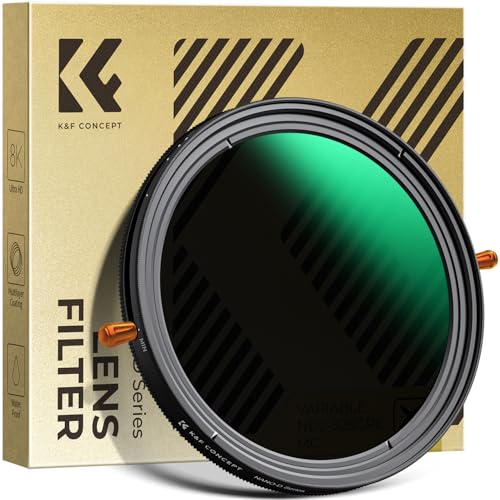
K&F CONCEPT 67mm Variable ND2-32 & CPL Polarizing Effect in 1 Lens Filter | 24 Multi-Coated Waterproof 1-5 Stops Adjustable Neutral Density Polarizer Filter (Nano-D Series) FA501
Check price on Amazon
K&F CONCEPT 67mm True Color Ultra-Low Reflectivity Polarizing Lens Filter | Waterproof Scratch Resistant CPL Filter Polarizer Lens Filter with 28 Multi-Coated (Nano-X Series) FC704
Check price on Amazon
52mm Clip-on CPL Phone Camera Lens Filter Kit, Polarizer Polarizing Filter for iPhone 17 16 15 14 13 12 11
Check price on Amazon
67mm CPL Filter for Phone/DSLR, HD Circular Polarizing Filter | FMC-Coated Lens Attachment with Universal Clip & 58-67mm Camera Adapter Ring for iPhone 17/16/15/14/13/12 & Samsung
Check price on Amazon
K&F CONCEPT 58mm Circular Polarizer Lens Filter with 28 Multi-Layer Coated | Ultra Slim High Definition Waterproof Scratch Resistant Polarizing Lens Filter(CPL) (Nano-X Series) FC701
Check price on Amazon
K&F CONCEPT 82mm Circular Polarizer Lens Filter with 28 Multi-Layer Coated | Ultra Slim High Definition Waterproof Scratch Resistant Polarizing Lens Filter(CPL) (Nano-X Series) FC701
Check price on AmazonReady to Transform Your Photography?
A CPL filter is one of the best investments you can make for your camera gear. Whether you are shooting landscapes, architecture, or outdoor portraits, a quality CPL filter will help you capture images with stunning color, clarity, and depth.
Browse CPL FiltersFinal Thoughts on CPL Filters
Circular polarizing filters are an essential tool for any serious photographer. They offer creative control that simply cannot be achieved through post-processing, making them a valuable addition to your camera bag. From reducing glare on water to deepening blue skies, CPL filters help you capture the world as you see it—vibrant, clear, and full of detail.
When choosing a CPL filter, prioritize optical quality over price. A good CPL filter will last for years and can be used across multiple lenses with step-up rings. Pair it with other essential accessories like a monopod for camera stability or a reflector for portrait lighting, and you will be well-equipped for any photographic challenge.
Whether you are just starting with a beginner photography camera or upgrading to a full-frame system, a CPL filter is a worthwhile investment that will elevate your photography for years to come.