Kodak Pocket Instamatic 60
A classic from the 1970s, this camera features a sharp 4-element lens and a solid metal body. It's one of the most sought-after 110 cameras for its image quality.

Discover the charm of 110 film cameras. From classic pocket shooters to modern reloads, learn everything you need to know about this iconic film format.
START LEARNINGWhy 110 Film? Introduced by Kodak in 1972, 110 film brought photography to the masses with its compact cartridges and easy loading. Today, it's experiencing a revival among analog enthusiasts who love its retro aesthetic, portability, and the unique look it delivers. Whether you're a seasoned film shooter or a curious beginner, this guide will help you navigate the world of 110 film with confidence.
110 film is a cartridge-based film format that uses 16mm wide film, producing negatives that are 13mm x 17mm in size. The film comes pre-loaded in a sealed plastic cartridge, making it incredibly easy to load and unload—even for beginners. Unlike its predecessor, 126 film, the 110 format was designed for pocket-sized cameras that could be carried anywhere. The format's small negative size means you'll get a distinct grainy, soft look that many photographers find nostalgic and charming. It's a great way to experiment with analog photography without the complexity of larger formats.
If you're new to film photography and want something simple to start with, a point-and-shoot film camera in the 110 format is an excellent choice. For those who prefer a more traditional experience, the 35mm SLR film camera offers more control, but 110 film is all about convenience and fun. You might also be interested in black and white 35mm film if you want to explore monochrome photography, though 110 film is available in both color and black and white.
16mm — much smaller than 35mm, allowing for compact camera designs.
13mm x 17mm — produces a small image area, leading to noticeable grain when enlarged.
Sealed plastic cartridge — easy to load, no need to thread film manually.
Typically 12 or 24 frames per cartridge, depending on the film stock.
Usually 100–400 ISO — available in various speeds for different lighting conditions.
Thumb wheel or lever — some cameras offer motorized advance.
While many 110 cameras were produced during the format's heyday, a few stand out for their build quality, lens sharpness, and reliability. Here are some of the best options if you're looking to get into 110 film photography. For those who want a no-frills entry point, a cheap point-and-shoot camera in the 110 format is a great way to start. If you prefer something more robust, consider a compact camera that supports 110 film. And if you're looking for a camera that can handle both film and digital, a digital photo camera might be a good complement, but nothing beats the authentic feel of film.
A classic from the 1970s, this camera features a sharp 4-element lens and a solid metal body. It's one of the most sought-after 110 cameras for its image quality.
The only true SLR system for 110 film. It offers interchangeable lenses and full manual control, making it a favorite among serious enthusiasts.
A unique SLR with a built-in zoom lens. It's larger than most 110 cameras but delivers excellent versatility and image quality.
A premium pocket camera with a high-quality lens and sleek design. It's a great choice for those who want a reliable everyday 110 shooter.
Features a sharp lens and a built-in flash. It's a solid performer that produces good results with minimal effort.
A modern take on the 110 format, offering a fisheye lens and a fun, experimental approach to photography.
When choosing a 110 camera, consider what you value most: portability, image quality, or creative control. If you're also interested in other small-format cameras, you might want to explore a mini camera keychain for ultra-portable fun, or a small action camera for capturing adventures. For those who want to print their photos instantly, a print camera could be a great addition to your gear bag.
Finding 110 film has become easier thanks to online retailers and specialty shops. Lomography produces a range of 110 films, including color negative and black and white stocks. You can also find expired film on marketplaces, which can produce unpredictable but often beautiful results. When buying a camera, check online marketplaces, thrift stores, and camera exchanges. If you're looking for a reliable place to buy used gear, a camera exchange can be a great resource. For those who prefer new equipment, a new camera might be an option, though true new 110 cameras are rare. You can also explore cameras for sale to find deals on vintage models.
If you're interested in other film formats, you might want to check out 110 film (this page) or explore 35mm SLR film cameras for a more traditional experience. For those who want to digitize their film photos, a digital photo camera or a HD camera can help you capture and share your analog shots. And if you're looking for a camera that can do it all, a compact camera for travel might be a good choice for your next trip.
⚠️ AFFILIATE DISCLOSURE: This website contains affiliate links. As an affiliate Associate, we earn from qualifying purchases. If you make a purchase through these links, we may receive a small commission at no additional cost to you. Read our full affiliate policy.

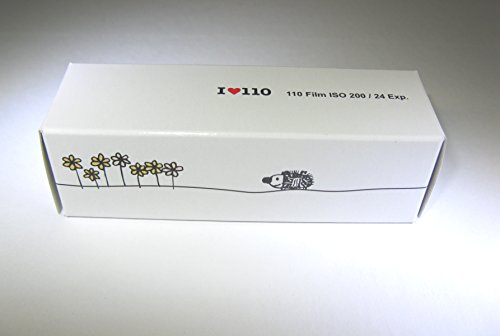

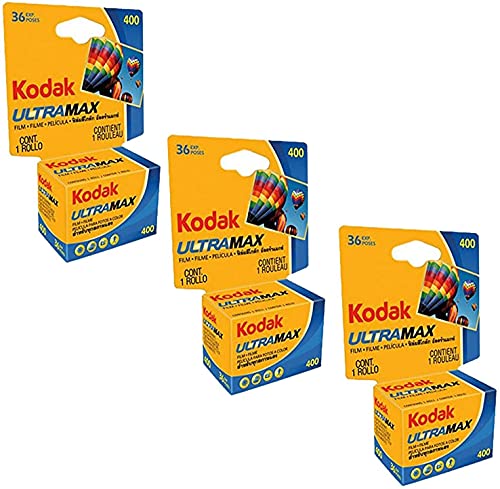


Shooting 110 film requires a slightly different mindset than larger formats. Because the negative is small, you'll want to compose carefully and avoid overly complex scenes. Use the camera's flash indoors or in low light, as most 110 cameras have limited exposure controls. Embrace the grain and softness—it's part of the charm. If you're used to shooting with a professional DSLR camera or a mirrorless camera, you'll need to adjust your expectations. But that's exactly what makes 110 film so enjoyable: it's about the experience and the unique look, not technical perfection. For those who want to experiment with different lenses, a 50mm prime lens on a larger format might be more suitable, but 110 film has its own dedicated lens systems like the Pentax Auto 110.
When storing your film, keep it in a cool, dry place. If you're traveling, a compact camera for travel is a great companion, and you might also want a camera backpack to protect your gear. For those who want to scan their negatives, a viewfinder camera or a dedicated film scanner can help. And if you're interested in other niche formats, you might explore 3D cameras or camera sunglasses for something completely different.
110 film is more than just a nostalgia trip—it's a viable and enjoyable way to shoot analog photography today. Its compact size, ease of use, and distinctive aesthetic make it a great choice for casual shooters, artists, and anyone looking to slow down and enjoy the process. Whether you're picking up a vintage Kodak Pocket Instamatic or a modern Lomography camera, you're sure to have fun. If you're just starting out, a beginner photography camera in the 110 format could be your perfect entry point. And if you're looking for something even simpler, a cheap point-and-shoot camera is always a good option. For those who want to explore other film formats, consider black and white 35mm film or a 35mm SLR film camera. No matter what you choose, the world of analog photography is waiting for you.
The information provided on AllCameraGuide is for educational and informational purposes only. We are not professional camera technicians or photographers, and our content should not replace professional advice. Always consult with a qualified expert regarding camera compatibility, safety, or technical concerns. Some content may use AI assistance. Always check product warranties and safety standards before purchasing. If you do not agree, please do not use this website. Read the full disclaimer.