
Small Drone with Camera: Complete Buying Guide
Everything you need to know about compact drones with cameras — flight time, range, camera quality, regulations, and how to choose the perfect one for your needs.
SEE TOP PICKSWhy Small Drones Matter: A small drone with a camera puts professional-grade aerial photography within reach of everyone. Whether you want to capture travel memories, inspect hard-to-reach areas, or simply have fun flying, compact drones offer the perfect balance of portability, performance, and affordability. This guide will help you cut through the marketing hype and find the right model for your specific needs.
What to Look For in a Small Drone with Camera
Before you buy, understanding the key specifications will save you from costly mistakes. Not every small drone is created equal — some prioritize camera quality, others focus on flight time or portability. Here are the critical factors that separate a great experience from a frustrating one.
- Camera Resolution & Sensor: Most small drones now offer 4K video and 12MP photos, but sensor size matters more than megapixels. A 1/2.3-inch sensor captures significantly better detail than a 1/3-inch sensor, especially in low light. Look for drones with at least 2.7K video if you plan to share content online, and 4K if you want to future-proof your footage. Understanding how megapixels affect image quality can help you avoid overpaying for resolution you don't need.
- Flight Time: Most small drones fly for 15–30 minutes per charge. Anything under 15 minutes will feel restrictive, especially if you're traveling to a scenic location. Consider buying extra batteries — they're inexpensive and double your shooting time.
- Transmission Range: Budget drones offer 100–300 meters, while premium compact drones can reach 5–10 kilometers. For casual flying, 500 meters is plenty. For flying camera work where you need to maintain signal in varied terrain, aim for at least 2 kilometers.
- Weight & Portability: Drones under 249 grams (0.55 lbs) are exempt from registration in many countries, including the US and EU. This makes them ideal for travel and spontaneous flights.
- Gimbal Stabilization: A 3-axis gimbal is essential for smooth video. Drones without a gimbal produce shaky, unusable footage even in light wind. Electronic image stabilization (EIS) helps, but mechanical gimbals are far superior.
- Obstacle Avoidance: Forward and downward sensors prevent crashes, especially for beginners. This feature is worth paying extra for if you're new to drone flying.
Key Specifications at a Glance
Camera
4K @ 30fps / 12MP photo
1/2.3" CMOS sensor
3-axis gimbal
Flight Time
25–35 minutes typical
Extra batteries recommended
USB-C fast charging
Range
2–10 km transmission
HD live view
GPS + GLONASS
Weight
Under 249g (no registration)
Folded: pocket-sized
Travel-friendly design
Camera Quality: What Actually Matters
When shopping for a small drone with camera, the camera is the single most important component — it's the reason you're buying the drone in the first place. But drone camera quality isn't just about resolution. Here's what to evaluate:
| Feature | Entry-Level | Mid-Range | Premium Compact |
|---|---|---|---|
| Video Resolution | 1080p / 2.7K | 4K @ 30fps | 4K @ 60fps / 5.4K |
| Photo Resolution | 8–12MP | 12–20MP | 20–48MP |
| Sensor Size | 1/3" | 1/2.3" | 1" or larger |
| Gimbal | EIS only | 3-axis mechanical | 3-axis + advanced EIS |
| Price Range | $100–$300 | $400–$800 | $800–$1,500+ |
For most buyers, the mid-range segment offers the best value. You get a genuine 3-axis gimbal, 4K video, and reliable transmission without paying for professional-grade features you may never use. If you're serious about aerial photography, the premium compact segment delivers image quality that rivals dedicated cameras. For those just starting out, a small digital camera on the ground might be a better first purchase — but if aerial footage is your goal, even an entry-level drone opens up creative possibilities.
Range, Connectivity, and Real-World Performance
Manufacturer range claims are measured in perfect conditions — open fields, no interference, ideal weather. In real-world urban or forested environments, expect 30–50% less range. That said, modern compact drones use enhanced Wi-Fi (OcuSync, Lightbridge, or similar) that maintains a stable HD feed far better than older analog systems.
For beginners, the practical range limit is visual line of sight anyway — most aviation authorities require you to see your drone at all times. A reliable 1–2 km range is more than enough for recreational flying. If you need longer range for professional inspections or mapping, you'll want a drone with a dedicated controller and advanced transmission technology.
Battery life is the other half of the range equation. A drone that claims 10 km range but only flies for 15 minutes won't get you there and back. Look for at least 25 minutes of real flight time, and always land with 20–30% battery remaining as a safety buffer.
Drone Regulations You Must Know
Before your first flight, understand the rules. In the United States, the FAA requires registration for drones over 249 grams and mandates that recreational flyers pass a basic safety test (TRUST). In the EU, similar rules apply under EASA regulations. Key points:
- Keep it in sight: Always maintain visual line of sight with your drone.
- Altitude limits: Stay below 400 feet (120 meters) in most jurisdictions.
- No-fly zones: Avoid airports, military bases, and crowded public areas.
- Privacy: Don't record people without consent, especially in private spaces.
- Registration: Drones over 249g must be registered in most countries.
Best Small Drones with Camera — Top Picks
⚠️ AFFILIATE DISCLOSURE: This website contains affiliate links. As an affiliate Associate, we earn from qualifying purchases. If you make a purchase through these links, we may receive a small commission at no additional cost to you. Read our full affiliate policy.

Drone with Camera for Adults, 2K HD FPV Drones with Upgrade Altitude Hold, One-Key Take Off/Landing, Speed Adjustment, Headless Mode, 2 Batteries, Toys Gifts for Teen Boys Girls, Beginner
Check price on Amazon
Pallton Drone with Camera for Adults, 1080P FPV Foldable RC Quadcopter | Easy Fly Toy Drone for Kids & Beginners, Altitude Hold, One Key Start, 3D Flips, 2 Batteries, 4 Propellers, Carrying Case
Check price on Amazon
DJI Neo, Mini Drone with 4K UHD Camera for Adults, 135g Self Flying Drone that Follows You, Palm Takeoff, Subject Tracking, QuickShots, Stabilized Video, Built-In Propeller Guard (Controller-Free)
Check price on Amazon
DJI Mini 4K Camera Drone Combo, Drone with 4K UHD Camera for Adults, Under 249 g, 3-Axis Gimbal Stabilization, 10km Video Transmission, Auto Return, 2 Batteries for 62-Min Max Flight Time, QuickShots
Check price on Amazon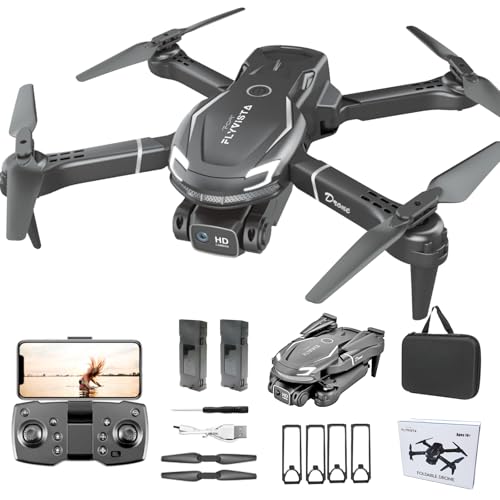
FLYVISTA Cool Mini Drone with Camera for Kids Adults Beginners, 1080P FPV Camera Remote Control Drone for Kids with 2 Batteries, One-Click Take Off/Landing, Altitude Hold, Headless Mode, 360° Flips, 3-Gear Speeds , Emergency Stop, Toys Gifts for Adults Beginner and Kids
Check price on Amazon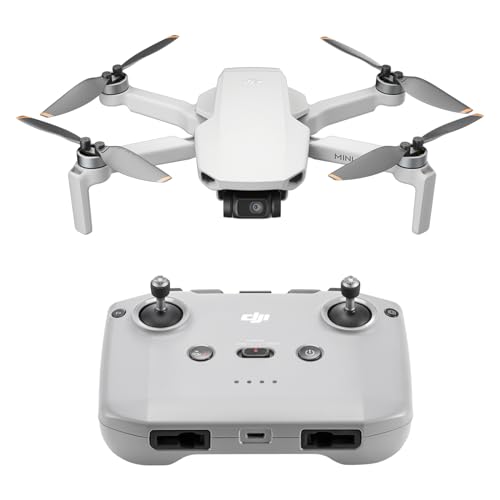
DJI Mini 4K, Drone With 4K UHD Camera, Under 249 g | 3-Axis Gimbal, 10km Video Transmission, Auto Return, Wind Resistance, 31-Min Flight Time, Intelligent Flight
Check price on Amazon
Pallton Drone with Camera for Aldults 1080P FPV Foldable RC Quadcopter | Easy Fly Drone with One Key Take Off/Landing, Gesture Selfie, Altitude Hold, 3D Flip, 2 Batteries
Check price on Amazon
DJI Mini 5 Pro Fly More Combo Plus with DJI RC 2, Drone with Camera, 1-Inch CMOS, 4K Drone for Beginners, Obstacle Sensing, ActiveTrack 360°, 225° Gimbal Rotation, Extended Battery Life
Check price on AmazonHow to Choose: A Practical Buying Framework
With so many options, the decision comes down to three questions: What will you shoot? Where will you fly? What's your budget?
For travel and casual content creation: Prioritize portability and weight. A sub-249g drone that folds into a pocket and doesn't require registration is ideal. Look for 2.7K or 4K video and at least 20 minutes of flight time.
For aerial photography enthusiasts: Camera quality is paramount. Invest in a drone with a 1-inch sensor, adjustable aperture, and RAW photo capability. These features give you the flexibility to edit your shots professionally. Pair your drone with a gimbal stabilizer for ground-based shots to round out your creative toolkit.
For beginners on a budget: Start with an entry-level model that includes GPS return-to-home and basic obstacle avoidance. You'll learn the fundamentals without risking an expensive aircraft. Consider a budget-friendly digital camera alongside your drone to capture ground-level moments too.
Whatever you choose, buy from a reputable brand with available spare parts and firmware updates. Off-brand drones may save money upfront but often lack support, and a single crash can render them useless. Check current camera deals for seasonal discounts — drone prices fluctuate significantly during holiday sales.
The Bottom Line
A small drone with a camera is one of the most versatile creative tools you can own. It transforms ordinary scenes into cinematic aerial footage and gives you perspectives that were once reserved for professional filmmakers. By focusing on camera quality, flight time, and portability — and by understanding the regulations that apply to you — you can choose a drone that delivers years of enjoyment and stunning visuals. Start with a mid-range model, learn its capabilities, and upgrade when you outgrow it. The sky, quite literally, is the limit.