
18-55mm Lens: The Ultimate Kit Lens for Every Photographer
Unlock the full potential of your camera with the versatile 18-55mm lens. This comprehensive guide covers everything you need to know about the most popular kit lens, from its optical design to real-world applications. Perfect for beginners and enthusiasts alike.
View Recommended LensesWhy the 18-55mm Lens Matters: Often underestimated, the 18-55mm lens is the gateway to creative photography for millions of shooters. It offers a practical focal range that covers wide-angle landscapes to classic portraits, making it an essential tool for learning composition and exposure. Whether you're shooting with an entry-level DSLR or a mirrorless camera, this lens is your first step toward mastering your craft.
What Exactly Is an 18-55mm Lens?
The 18-55mm lens is a standard zoom lens designed primarily for cameras with APS-C or crop sensors. Its focal length range starts at 18mm (wide-angle) and extends to 55mm (short telephoto). When you factor in the crop factor (typically 1.5x for Nikon/Sony or 1.6x for Canon), this translates to an effective field of view of roughly 27-88mm in full-frame terms. This range is incredibly versatile, covering everything from sweeping landscapes to flattering portraits.
Most 18-55mm lenses come with variable maximum apertures, usually f/3.5-5.6. This means the widest aperture is f/3.5 at 18mm, narrowing to f/5.6 at 55mm. While not as bright as a prime lens, it's more than sufficient for daylight shooting and even some indoor scenes with adequate lighting. The lens is typically lightweight, compact, and often equipped with image stabilization (IS/VR/OSS) to combat camera shake.
Key Specifications at a Glance
Focal Length
18-55mm
Max Aperture
f/3.5-5.6
Sensor Format
APS-C / Crop
Stabilization
Yes (IS/VR/OSS)
Weight
~200-300g
Price Range
$50–$300
Who Should Use an 18-55mm Lens?
This lens is tailor-made for beginners and hobbyists who want a single lens that can handle almost any situation. It's the perfect companion for:
- New Camera Owners: If you just bought a digital camera, this is likely your first lens. It's designed to help you learn without the complexity of multiple primes.
- Travel Photographers: Its lightweight design makes it ideal for trips where you want to pack light but still capture wide shots and close-ups.
- Vloggers & Content Creators: The 18-55mm range is great for talking-head videos and B-roll. Pair it with a portable tripod for stable footage.
- Everyday Shooters: From family gatherings to street photography, this lens delivers reliable results.
Pros and Cons of the 18-55mm Lens
Pros
- Extremely versatile focal range
- Lightweight and compact
- Affordable, often bundled with cameras
- Image stabilization on most models
- Great for learning composition
Cons
- Variable aperture limits low-light performance
- Not as sharp as premium primes
- Plastic build on entry-level versions
- Limited background blur (bokeh)
Best Uses for the 18-55mm Lens
Understanding where this lens shines will help you get the most out of it. Here are the top scenarios where the 18-55mm excels:
- Landscape Photography: At 18mm, you can capture expansive scenes. Add a UV filter to protect your front element and reduce haze.
- Portrait Photography: Zoom to 55mm for a more flattering perspective. While it won't blur the background like an f/1.8 lens, you can still achieve separation by placing your subject away from the background.
- Street Photography: The discreet size makes it perfect for candid shots. Use a neck strap for quick access.
- Product Photography: For small items, consider a macro lens, but the 18-55mm can handle larger products with ease.
Tips for Maximizing Your 18-55mm Lens
Even a kit lens can produce professional-grade images with the right techniques. Here are some tips:
- Shoot in Good Light: Since the aperture is limited, prioritize natural light or use soft lights for indoor shoots.
- Use a Tripod: For landscape or long exposures, a sturdy camera tripod stand will eliminate shake.
- Master the Exposure Triangle: Learn how aperture, shutter speed, and ISO interact. Our focus pull guide can help with advanced techniques.
- Upgrade Gradually: Once you've outgrown the kit lens, consider adding a prime lens or a telephoto lens to your bag.
Recommended 18-55mm Lenses
⚠️ AFFILIATE DISCLOSURE: This website contains affiliate links. As an affiliate Associate, we earn from qualifying purchases. If you make a purchase through these links, we may receive a small commission at no additional cost to you. Read our full affiliate policy.

Canon EF-S 18-55mm f/3.5-5.6 is II SLR Lens White Box
Check price on Amazon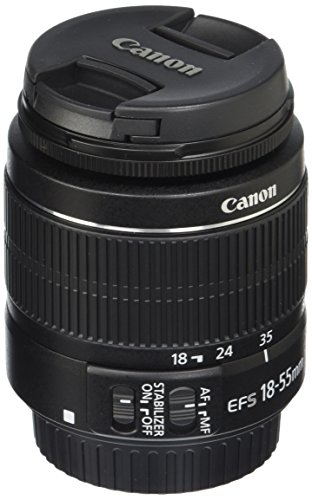
Canon 2042B002-cr EF-S 18-55mm f/3.5-5.6 is II SLR Lens (Renewed), Black
Check price on Amazon
Sigma 18-50mm F2.8 DC DN Contemporary Zoom Lens (for E Mount), Black | (585965)
Check price on Amazon
FUJIFILM XF 18-55mm f/2.8-4 R LM OIS Lens, Rounded 7-Blade Diaphragm, Three Aspherical Elements, X-Mount Lens/APS-C Format, Linear Autofocus Motor (Renewed)
Check price on Amazon
Nikon AF-S DX NIKKOR 18-55mm f/3.5-5.6G ED II Zoom Lens with Auto Focus for Nikon DSLR Cameras (Renewed)
Check price on Amazon
Fujifilm Fujinon XF18-55mmF2.8-4 R LM OIS
Check price on Amazon
Nikon 18-55mm f/3.5-5.6G AF-S DX VR Nikkor Zoom Lens - White Box (New) (Bulk Packaging)
Check price on Amazon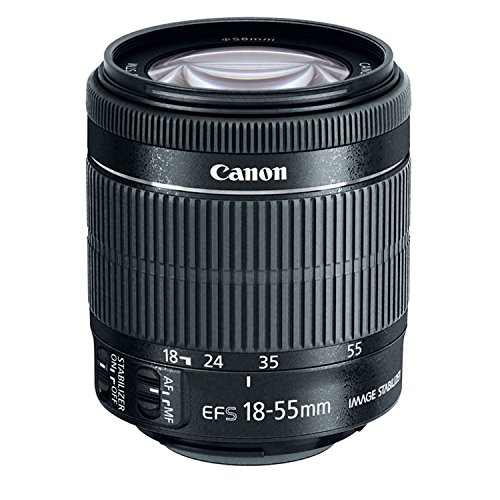
Canon EF-S 18-55mm f/3.5-5.6 is STM Camera Lens
Check price on AmazonFinal Thoughts: Is the 18-55mm Lens Right for You?
Absolutely. The 18-55mm lens is more than just a starter lens—it's a powerful learning tool that can produce stunning images when used correctly. Its versatility, portability, and affordability make it a staple in every photographer's journey. Whether you're capturing your first sunset or documenting a family event, this lens will serve you well. As you grow, you can expand your kit with other lenses, but the 18-55mm will always remain a reliable companion.
Ready to elevate your photography? Check out our recommended 18-55mm lenses above and start creating today.