
Prime Lens Guide: The Ultimate Path to Sharpness & Speed
Unlock superior image quality, incredible low-light performance, and beautiful background blur. Learn how to choose the perfect prime lens for your photography style.
Browse Top Prime LensesWhy Prime Lenses Are a Game-Changer for Photographers
In the world of photography, the lens you choose is just as important as the camera body itself. While zoom lenses offer versatility, prime lenses (also known as fixed focal length lenses) are revered for their uncompromising optical quality. Unlike a zoom lens that sacrifices some sharpness to cover a range of focal lengths, a prime lens is engineered for a single, specific field of view. This allows manufacturers to optimize every glass element for maximum clarity, contrast, and color accuracy.
Whether you are shooting portraits, landscapes, or street photography, a prime lens can dramatically elevate your work. They are often lighter, faster, and more affordable than their professional zoom counterparts, making them an essential tool for both beginners and seasoned professionals. If you're just starting out, pairing a prime lens with a entry-level mirrorless camera is a fantastic way to learn composition and master your craft.
Core Benefits of Using a Prime Lens
Understanding the advantages of a prime lens will help you decide if it deserves a place in your camera bag. Here are the primary reasons photographers love them:
- Superior Sharpness: With fewer moving parts and a simpler optical design, prime lenses deliver edge-to-edge sharpness that zoom lenses often struggle to match.
- Wider Maximum Aperture: Prime lenses commonly feature apertures of f/1.8, f/1.4, or even f/1.2. This allows for stunning background blur (bokeh) and exceptional performance in low-light conditions, reducing the need for a flash or high ISO settings.
- Lighter and More Compact: Without the complex mechanics of a zoom, prime lenses are significantly lighter, making them ideal for travel and street photography. This is a major advantage when using a lightweight mirrorless camera.
- Better Value for Money: A high-quality prime lens often costs less than a professional-grade zoom lens covering the same focal length, offering incredible value for the optical performance you receive.
- Enhanced Creativity: The constraints of a fixed focal length push you to be more creative and intentional with your shots, leading to a more consistent and recognizable personal style.
For those interested in videography, the fast aperture of a prime lens is invaluable. It allows you to shoot in natural light and achieve a cinematic depth of field. If you're building a video kit, consider pairing a prime lens with a camera designed for video to create professional-looking content.
How to Choose the Right Prime Lens Focal Length
The focal length of a prime lens dictates its field of view and its primary use case. Here is a breakdown of the most common prime lens focal lengths and what they are best for:
| Focal Length | Best For | Typical Price Range |
|---|---|---|
| 24mm - 35mm | Street photography, landscapes, environmental portraits, vlogging. | $300–$1,200 |
| 50mm | Portraits, low-light photography, everyday carry. Often called the "nifty fifty." | $150–$600 |
| 85mm - 135mm | Professional headshots, portraits with beautiful compression, event photography. | $400–$2,000 |
| 200mm+ | Wildlife, sports, and tight portrait crops. Often used with teleconverters. | $1,000–$6,000+ |
If you are looking to get into sports or wildlife photography, a longer prime lens like a 600mm lens is a serious investment, but it delivers unmatched reach and clarity. For those who prefer a more versatile, all-purpose lens, a 18-55mm lens is a common starting point, but adding a prime lens to your kit will unlock new levels of quality.
Top Recommended Prime Lenses
⚠️ AFFILIATE DISCLOSURE: This website contains affiliate links. As an affiliate Associate, we earn from qualifying purchases. If you make a purchase through these links, we may receive a small commission at no additional cost to you. Read our full affiliate policy.

Canon EF 50mm f/1.8 STM Lens, Black, Compatible with Canon EOS DSLR Cameras | Compatible with EOS DSLR Cameras
Check price on Amazon
Canon RF50mm F1.8 STM Lens | Mirrorless Fixed Focal Length Lens, Compact, Lightweight Design, Portraits, Landscapes, Photography
Check price on Amazon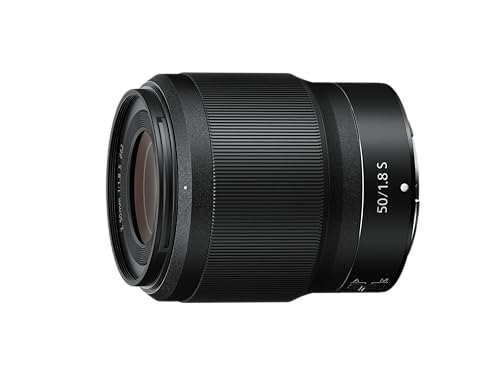
Nikon NIKKOR Z 50mm f/1.8 S | Premium Large Aperture Prime Lens (nifty Fifty) for Series mirrorless Cameras | USA Model, Black
Check price on Amazon
Sony - FE 50mm F1.8 Standard Lens (SEL50F18F/2), Black
Check price on Amazon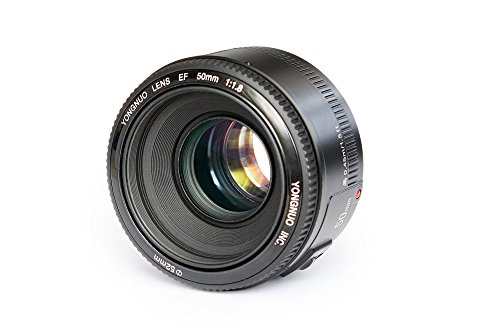
YONGNUO YN50mm F1.8 Lens Large Aperture Auto Focus Lens Compatible with Canon EF Mount Camera
Check price on Amazon
Sony SEL85F18 85mm F/1.8-22 Medium-Telephoto Fixed Prime Camera Lens, Black
Check price on Amazon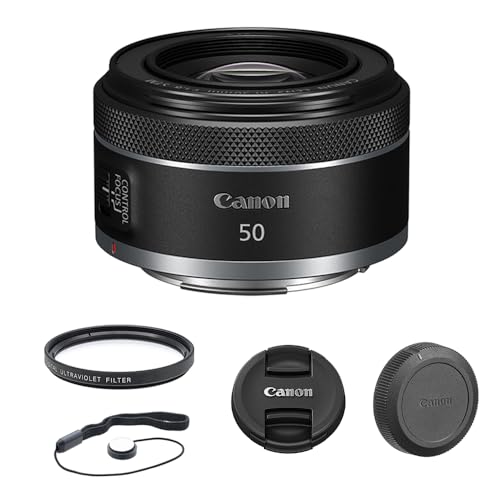
Canon RF 50mm f/1.8 STM Lens Bundle with UV Filter + Lens Cap Keeper
Check price on Amazon
TTArtisan 25mm F2 Wide-Angle APS-C Camera Lens Large Aperture for M43 Mount | Manual Fixed Lens
Check price on AmazonPractical Tips for Shooting with a Prime Lens
Transitioning to a prime lens can feel limiting at first, but with a few adjustments, you'll quickly adapt. Here are some practical tips to get the most out of your new glass:
- Move Your Feet: The most important rule. Instead of zooming, physically move closer or further away from your subject to change your composition.
- Master Your Aperture: Experiment with different f-stops. Use f/1.8 for a dreamy background blur and f/8 for maximum sharpness across the frame.
- Use Your Legs for Framing: A prime lens teaches you to see the world in a specific frame, which is a fantastic exercise for improving your photographic eye.
- Protect Your Investment: A high-quality lens is a significant investment. Protect the front element with a UV lens filter and always use a lens hood to prevent flare and accidental damage.
- Experiment with Focus Pulling: For video, the fast aperture of a prime lens makes it excellent for focus pull techniques, creating a cinematic shift in focus from one subject to another.
Frequently Asked Questions About Prime Lenses
Are prime lenses better than zoom lenses?
It depends on your needs. Prime lenses generally offer better sharpness, wider apertures, and lighter weight. Zoom lenses offer versatility. Many photographers use both for different situations.
What is the best prime lens for a beginner?
A 50mm f/1.8 prime lens is widely considered the best starting point. It's affordable, sharp, and offers a natural field of view that works for many subjects.
Can I use a prime lens for vlogging?
Yes, absolutely. A wide-angle prime lens (like a 24mm or 35mm) is excellent for vlogging, especially in low light. You can check out our guide on vlogging cameras for beginners for more insights.
Do prime lenses work on all cameras?
They must match your camera's lens mount. For example, a prime lens for a full-frame DSLR will not fit on a mirrorless camera without an adapter. Always check compatibility before purchasing.
Final Thoughts: Is a Prime Lens Right for You?
Investing in a prime lens is one of the most effective ways to improve your photography. The combination of superior sharpness, fast apertures, and compact design makes them a valuable addition to any camera bag. Whether you are a portrait photographer looking for the perfect bokeh or a street photographer seeking a discreet setup, there is a prime lens that fits your style.
Remember to consider your camera's sensor size and mount when making a purchase. If you're looking for a complete guide to lenses and sensors, our Lens & Sensor Hub is an excellent resource. Take your time, read reviews, and choose the focal length that matches your creative vision.