


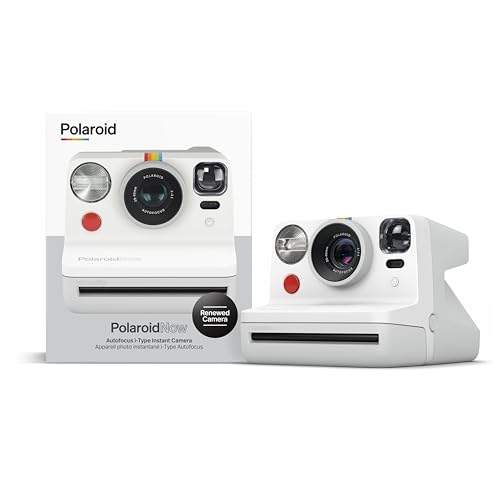


What is an Analog Instant Camera?
An analog instant camera is a device that uses self-developing film to create a chemically developed print shortly after taking the picture. Unlike digital cameras, which store images as data, instant cameras produce a physical, tangible photograph. This process, popularized by Polaroid in the mid-20th century, has seen a massive resurgence in recent years, driven by a desire for nostalgia and authenticity.
These cameras are celebrated for their simplicity and the unique aesthetic of their output. The prints often have a distinct color profile, soft focus, and a charming border that makes them perfect for scrapbooking, creative projects, or simply displaying on a fridge. The experience is less about pixel-peeping and more about capturing a feeling and a moment in a truly personal way.
How to Choose the Right Instant Camera
Before you buy, it's essential to understand the key differences between models and film formats. The two main players in the market are Fujifilm with its Instax line and Polaroid with its modern iterations. Your choice will largely depend on the film format you prefer and the features you need.
1. Film Format: Instax vs. Polaroid
The film format determines the size of your final print and the cost per photo. Fujifilm Instax offers three main formats: Mini (credit card-sized), Square (classic square format), and Wide (larger, landscape-oriented prints). Instax film is generally more affordable and widely available. Polaroid film, such as the 600 or i-Type, produces larger, iconic square prints with a classic white border. Polaroid film is typically more expensive than Instax.
When considering film, think about how you plan to use your prints. For sharing with friends, Instax Mini is ideal. For a more artistic look, Instax Square or Polaroid film is a great choice. If you are looking to get into compact 35mm film cameras, the principles of film handling are similar, but instant film offers immediate gratification.
2. Key Features to Look For
Modern instant cameras come with a variety of features that can enhance your shooting experience. Look for models with a selfie mirror and a close-up lens for self-portraits. A flash is almost always built-in and essential for indoor shooting. Some higher-end models offer advanced features like aperture control, bulb mode for long exposures, and even double exposure capabilities, allowing for creative experimentation.
If you plan to use your camera for parties or events, a model with a bright flash and easy-to-use controls is best. For more artistic endeavors, consider a camera that gives you more manual control. If you are also interested in video, you might want to look at a vlogging camera, but for pure photography, an instant camera is unbeatable.
3. Budget and Ongoing Costs
The cost of an instant camera itself can range from around $60 to over $200. However, the most significant ongoing expense is the film. Film packs typically cost between $15 and $25 for 8 to 10 exposures. It's important to factor in this recurring cost. While it might seem expensive per shot, the value of a physical, instant print is often worth it for many enthusiasts. For those on a tighter budget, looking for a budget-friendly camera might be a priority, and the same logic applies to instant cameras.
The Magic of Instant Film
Each instant film pack contains a developing pod and a set of chemical layers. When you take a photo, the camera's rollers burst the pod, spreading the chemicals across the film to initiate the development process. This is why you must shield the print from light immediately after it ejects (though many modern cameras have a built-in dark slide). The development time is usually between 5 and 15 minutes.
To get the best results, you should store your film packs in a cool, dry place. Avoid leaving them in a hot car or in direct sunlight. Once a pack is loaded, it's best to use it up within a reasonable timeframe. This attention to care is similar to how you might use a hard case to protect other delicate camera gear.
Tips for Stunning Instant Photos
Shooting with an instant camera requires a slightly different mindset than digital. Here are some tips to get the most out of your new camera:
- Compose Carefully: With limited shots per pack, take a moment to frame your shot properly. The viewfinder is your best friend.
- Embrace the Flash: Unlike digital cameras, the built-in flash on instant cameras is often the primary light source, especially indoors. It creates a distinct, often flattering look.
- Experiment with Distance: Using the close-up lens attachment for selfies or portraits can yield wonderfully intimate results.
- Don't Shake the Print: The old myth of shaking a Polaroid picture is actually counterproductive. Simply place it face-down and let the chemistry do its work.
- Use a Tripod: For long exposures or group shots, a small tripod can be incredibly useful for keeping your camera steady.
Analog Instant vs. Digital Photography
While a small digital camera offers convenience and the ability to take thousands of photos, an analog instant camera offers a completely different experience. It's slower, more deliberate, and the results are unique. There are no memory cards to fill, no card readers to use, and no editing software. The final image is a direct, chemical record of a moment in time. It's a physical artifact that carries a story.
Conclusion
Choosing an analog instant camera is choosing to invest in experiences and memories. Whether you're drawn to the iconic look of Polaroid or the playful variety of Fujifilm Instax, the act of capturing and instantly holding a photograph is a magical one. For those looking to start their instant photography journey, the analog instant camera is the perfect entry point. It's a gateway to a world of creativity, nostalgia, and tangible memories.