
Disposable Camera: The Complete Guide to Analog Simplicity
Discover why disposable cameras are making a comeback. Learn how to choose the best single-use camera for weddings, travel, parties, and everyday magic — no batteries, no fuss, just pure film joy.
SEE TOP PICKSWhy disposable cameras still matter: In a world of instant digital perfection, disposable cameras offer a refreshingly authentic experience. They force you to slow down, think about each shot, and embrace the unpredictable beauty of analog photography. Whether you're planning a wedding, packing for a trip, or just want to capture candid moments with friends, a disposable camera delivers a unique aesthetic that filters simply can't replicate.
What Exactly Is a Disposable Camera?
A disposable camera — also called a single-use camera — is a compact, pre-loaded film camera designed to be used once and then returned to a lab for processing. The entire camera is handed over, and you receive prints, negatives, or digital scans. These cameras typically come with a fixed lens, a built-in flash, and a roll of 35mm film (usually 24 or 27 exposures). They're lightweight, affordable, and nearly indestructible — perfect for tossing in a bag or handing to guests at an event.
Unlike digital cameras or even point-and-shoot digital cameras, disposables strip away menus, settings, and screens. You get one button, one flash toggle, and the freedom to focus on the moment. If you're curious about the broader world of analog, explore our film camera hub for more in-depth guides.
How Does a Disposable Camera Work?
Inside a disposable camera, you'll find a simple plastic body, a fixed-focus lens, a shutter mechanism, and a roll of 35mm film. When you press the shutter button, the lens exposes the film to light for a fraction of a second. A thumbwheel advances the film to the next frame. Most models include a manual flash switch that charges a small capacitor — when the flash is ready, a tiny indicator lights up. After the final exposure, the film is fully wound into its canister, and the entire camera is sent for development.
The beauty is in the limitations: a fixed aperture (usually around f/9 to f/11), a fixed shutter speed (around 1/100s), and a fixed focal length (typically 30–35mm). These constraints mean you learn to work with available light and compose carefully. It's a fantastic way to practice composition rules and understand the exposure triangle in a tangible, forgiving way.
Pros and Cons of Disposable Cameras
✅ Advantages
- Extremely affordable upfront (typically $15–$35 per camera)
- No batteries, chargers, or memory cards required
- Durable and lightweight — perfect for travel and events
- Distinctive analog look with natural grain and color shifts
- Encourages mindful, deliberate shooting
- Great conversation starter and fun for all ages
❌ Limitations
- Limited exposures (usually 24–27 shots per camera)
- Developing and scanning costs add up ($10–$20 per roll)
- No control over exposure, focus, or ISO
- Results are unpredictable — light leaks, blur, and missed shots happen
- Not ideal for low-light situations without flash
- Environmental impact of single-use plastic
Key Features to Look For in a Disposable Camera
Not all disposable cameras are created equal. Here's what to evaluate before you buy:
- Film Speed (ISO): Most disposables use ISO 400 film, which is versatile for daylight and flash. Some specialty models offer ISO 800 for low-light or indoor use.
- Flash: A built-in flash is essential for indoor shots, parties, and evening events. Look for a camera with a manual flash toggle and a ready light.
- Exposures: Standard is 24 or 27 exposures. Some cameras offer 36 exposures, giving you more shots per roll.
- Lens Type: Fixed-focus lenses are the norm. Some premium disposables feature glass lenses for sharper results, while others use plastic lenses for a softer, dreamier look.
- Waterproofing: If you're heading to the beach or pool, consider a waterproof disposable camera — these are sealed and can shoot underwater. For more rugged options, see our waterproof camera guide.
- Brand and Processing: Some brands include prepaid processing, which simplifies the workflow. Kodak, Fujifilm, and Ilford are trusted names in the disposable market.
If you're comparing film formats, you might also be interested in how disposables stack up against SLR cameras or modern compact mirrorless cameras. Each has its place, but disposables win for carefree, low-stakes shooting.
Best Uses for Disposable Cameras
Disposable cameras shine in specific scenarios where convenience and candidness matter more than technical precision. Here are the most popular use cases:
- Weddings & Receptions: Place a disposable camera on each table. Guests capture candid moments the professional photographer might miss. The grainy, flash-lit aesthetic adds a nostalgic, intimate feel.
- Travel & Road Trips: Keep one in your glovebox or backpack. No need to worry about charging batteries or protecting a expensive camera. For more travel-ready options, explore our compact digital camera and travel camera guides.
- Parties & Events: Birthdays, bachelor/bachelorette parties, and reunions become more fun when everyone gets a camera. The limited shots encourage spontaneity.
- Concerts & Festivals: Many venues restrict professional cameras but allow disposables. Capture the energy without risking your gear.
- Everyday Creative Practice: Use a disposable to train your eye. The constraints force you to think about light, framing, and timing — skills that translate to any camera, from a DSLR for beginners to a compact cinema camera.
- Kids & Family: A disposable is a perfect first camera for a child. It's tough, simple, and teaches patience. You might also consider a kids camera for a more reusable option.
Recommended Disposable Cameras
⚠️ AFFILIATE DISCLOSURE: This website contains affiliate links. As an affiliate Associate, we earn from qualifying purchases. If you make a purchase through these links, we may receive a small commission at no additional cost to you. Read our full affiliate policy.

Fujifilm QuickSnap Flash 400 One-Time-Use Camera - 27 Exposures | 35mm disposable camera with 400 speed film and built-in flash for photography, travel and events
Check price on Amazon
Fujifilm QuickSnap Flash 400 One-Time-Use Camera -2 Pack
Check price on Amazon
Fujifilm QuickSnap Flash 400 Disposable 35mm Camera w/, 27 Exp, 4-Pack | Includes 4 QuickSnap Flash cameras for photography, travel and events
Check price on Amazon
Fujifilm QuickSnap Flash 400 One-Time-Use Camera - 2 Pack
Check price on Amazon
Kodak Fun Saver Single Use Camera Bundle | Included accessories, (10 items)
Check price on Amazon
Fujifilm Quicksnap Flash Disposable Camera 400 Iso, 6 Pack, 35mm Camera, 27 Exp, Balveli Coth, Fuji Film Disposable Bulk, 6 Pack of Fuji Disposable Cameras.
Check price on Amazon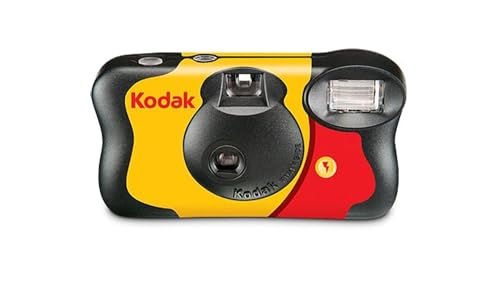
KODAK FunSaver 35mm Single Use Camera | For Film Photography & Events
Check price on Amazon
Foto Film Disposable Camera Single Use Film ISO 400 27 Exposure Flash - 10 Pack Bulk for Weddings, Birthdays and Parties!
Check price on AmazonTips for Getting the Best Results
Disposable cameras are simple, but a few techniques can dramatically improve your hit rate:
- Respect the flash range: Built-in flashes typically work best at 4–10 feet. Get too close, and you'll blow out the image; too far, and the flash won't reach.
- Hold steady: The shutter speed is slow enough that camera shake is a real risk. Brace your elbows against your body or use a camera tripod for group shots.
- Compose with the center: Since the lens is fixed-focus, keep your subject centered for the sharpest results. Use the composition rules to frame creatively within that constraint.
- Use flash outdoors too: Fill flash can brighten shadows on sunny days. Just remember to stay within range.
- Don't open the camera: Once the film is loaded, never open the back. Light will ruin the entire roll.
- Store properly: Keep your disposable camera in a cool, dry place. Avoid extreme heat, which can damage the film. For more storage tips, see our photo archive workflow.
- Develop promptly: Once you've finished the roll, send it for processing as soon as possible. The latent image can degrade over time.
If you're interested in experimenting with different film stocks and looks, our film emulation guide can help you replicate that analog vibe in digital post-processing. And for those who want to go deeper into analog techniques, explore our photography style & technique hub.
Developing and Scanning Your Disposable Camera
After you've shot your roll, you have several options for development:
- Local Photo Lab: Many drugstores and camera shops still process 35mm film. Turnaround is usually a few days to a week. Ask for "develop and scan" to get digital files alongside prints.
- Mail-in Labs: Specialized film labs offer higher-quality scans and more personalized service. You mail your camera, and they return your negatives and a download link.
- Prepaid Processing: Some disposable cameras include a prepaid mailer. You just drop the entire camera in the mail, and the lab handles the rest.
- DIY Development: If you're adventurous, you can develop black-and-white film at home. Color film (C-41) is more complex but doable with a kit. For most people, a lab is the practical choice.
Once you have your scans, you can edit them in any photo editor. Our photo editing workflow guide covers the basics of color correction, cropping, and retouching. You might also want to archive your files properly — see photo archive workflow for best practices.
Disposable vs. Other Camera Types
How does a disposable camera compare to other options? Here's a quick breakdown:
- vs. Instant Camera: Instant cameras give you immediate prints, but they're bulkier and more expensive per shot. Disposables are cheaper upfront and more portable.
- vs. Hybrid Instant Camera: Hybrids combine digital and instant printing. They offer more control but cost significantly more.
- vs. Point-and-Shoot Digital Camera: Digital gives you unlimited shots and instant review, but the aesthetic is cleaner and more predictable. Disposables offer a unique, unrepeatable look.
- vs. DSLR for Beginners: A DSLR offers full manual control and interchangeable lenses. Disposables are the polar opposite — and that's their charm.
- vs. Compact Mirrorless Camera: Mirrorless cameras are lightweight and powerful, but they require batteries, memory cards, and care. Disposables are carefree.
If you're considering a film camera for more control, you can still enjoy the disposable experience as a complement. Many photographers keep a disposable in their bag for spontaneous moments.
Frequently Asked Questions
Can I reuse a disposable camera?
Technically, some people reload disposable cameras, but it's not recommended. The plastic body isn't designed to be opened and resealed, and you risk light leaks and mechanical failure. It's better to buy a new one or invest in a reusable film camera.
How many photos does a disposable camera take?
Most disposable cameras come with 24 or 27 exposures. Some models offer 36 exposures. The number is usually printed on the camera body.
Do disposable cameras work indoors?
Yes, but you must use the flash. Indoor lighting is usually too dim for the fixed shutter speed and aperture. Make sure you're within the flash range (typically 4–10 feet) for proper exposure.
Are disposable cameras worth it?
Absolutely — if you value the experience and aesthetic. They're not for every situation, but for weddings, parties, travel, and creative experimentation, they deliver a unique charm that digital can't replicate. The cost per shot is higher than digital, but the results are often more memorable.
Where can I buy disposable cameras?
You can find them at drugstores, supermarkets, camera shops, and online retailers. Our recommended products above are available through trusted affiliate partners. For a broader selection of photography gear, visit our camera shop or photography shop hubs.
Can I take a disposable camera on a plane?
Yes, but be aware that airport X-ray machines can fog film, especially with repeated scans. Request a hand inspection if you're traveling with unprocessed film. For more travel photography tips, see our compact digital camera guide.
Final Thoughts: Embrace the Imperfection
Disposable cameras are a reminder that photography doesn't have to be perfect to be meaningful. The light leaks, the soft focus, the grainy texture — these "flaws" are what make the images feel alive and personal. Whether you're capturing a once-in-a-lifetime event or just documenting a lazy Sunday, a disposable camera invites you to be present and playful.
If you're ready to explore more camera types and find the perfect fit for your style, browse our camera starter hub or check out the highest rated cameras and editor's choice cameras. For those who love the analog aesthetic but want more control, our film camera guide is a great next step. And if you're curious about instant gratification, the instant camera might be your match.
No matter what you choose, the best camera is the one you have with you. So grab a disposable, point, shoot, and enjoy the surprise.