
Plumbing Camera Inspection: Complete Guide to Sewer & Drain Cameras
Discover how plumbing inspection cameras work, what features matter, and how to choose the right sewer camera for your home or professional needs.
SEE RECOMMENDED CAMERASWhy Plumbing Camera Inspection Matters: A plumbing camera inspection lets you see inside pipes, drains, and sewer lines without digging or demolition. Whether you are a homeowner facing a stubborn clog or a professional plumber expanding your toolkit, understanding these cameras saves time, money, and unnecessary damage.
What Is a Plumbing Camera Inspection?
A plumbing camera inspection uses a specialized waterproof camera attached to a flexible cable (often called a sewer camera or drain inspection camera) to visually examine the interior of pipes and sewer lines. The camera transmits live video to a monitor, allowing you to identify blockages, cracks, root intrusions, corrosion, and other hidden problems.
Unlike traditional methods that rely on guesswork, this technology gives you a clear, real-time view of what is happening inside your plumbing system. It is an essential tool for both diagnostic work and preventive maintenance.
How Does a Plumbing Inspection Camera Work?
A typical system consists of three main components: a waterproof camera head, a flexible push rod or cable, and a viewing monitor. The camera head is equipped with LED lights to illuminate the dark interior of pipes. As you push the cable through the pipe, the camera captures video and sends it back to the monitor for real-time viewing.
Many modern units also include recording capabilities, allowing you to save footage for later review, share it with clients, or document the condition of a pipe before and after cleaning. Some advanced models feature self-leveling cameras, sonar, or locators that help pinpoint the exact location of a problem underground.
If you are comparing this to other inspection tools, you might also find camera detector devices useful for locating hidden cameras, though those serve a very different purpose.
Key Features to Look For
Camera Resolution
Higher resolution (720p to 1080p) delivers clearer images, making it easier to identify small cracks or early signs of damage.
Cable Length
Common lengths range from 30 to 100 feet. Choose based on the distance from your access point to the farthest inspection area.
Waterproof Rating
IP68 rating is standard for sewer cameras, ensuring they can operate submerged in water without damage.
Lighting
Built-in LED lights are essential. Adjustable brightness helps in pipes of different diameters and conditions.
Monitor & Recording
A good monitor (7 to 10 inches) with DVR or SD card recording lets you document findings and share them easily.
Self-Leveling
Keeps the image upright regardless of cable orientation, making it easier to interpret what you see.
Types of Plumbing Inspection Cameras
There are several types of plumbing cameras, each suited to different applications and budgets:
| Type | Best For | Typical Price Range |
|---|---|---|
| Handheld Drain Camera | Homeowners, small clogs, short runs | $150–$500 |
| Professional Sewer Camera | Plumbers, long sewer lines, inspections | $1,500–$8,000+ |
| Push Rod Camera | Small pipes, tight spaces, DIY use | $100–$400 |
| Self-Leveling Camera | Professional inspections, accurate imaging | $2,000–$10,000 |
For most homeowners, a handheld or push rod camera in the $150–$500 range is sufficient for occasional use. Professional plumbers and inspectors typically invest in higher-end systems with longer cables, better resolution, and advanced features like locating and recording.
Pros and Cons of Plumbing Camera Inspection
✓ Advantages
- Non-invasive—no digging or demolition required
- Accurate diagnosis saves time and money
- Documents pipe condition with video evidence
- Helps prevent emergency repairs
- Useful for real estate inspections
✗ Limitations
- High-quality units can be expensive
- Requires some training to interpret images
- Cable length limits inspection distance
- Very small pipes may not accommodate the camera
- Battery life can be a constraint on long jobs
How to Choose the Right Plumbing Camera
Before buying, consider these factors to ensure you get the best value for your specific needs:
Buying Checklist
- Pipe diameter: Ensure the camera head fits your smallest pipe (typically 2–4 inches for residential).
- Cable length: Measure the distance from your cleanout to the farthest inspection point.
- Resolution: 720p is adequate; 1080p is better for detailed inspections.
- Lighting: Adjustable LED brightness is a major plus.
- Monitor: Larger screens are easier to view; check if it supports recording.
- Battery life: Look for at least 4–6 hours of continuous use.
- Durability: IP68 waterproof rating and rugged cable construction are essential.
- Warranty: A 1–2 year warranty protects your investment.
If you are also exploring other types of cameras for home or professional use, you might be interested in video surveillance cameras for home or affordable home security cameras for broader property monitoring.
Common Applications for Plumbing Cameras
Plumbing inspection cameras are used in a wide range of scenarios:
- Residential plumbing: Diagnosing recurring clogs, slow drains, and sewer line issues.
- Real estate inspections: Assessing the condition of pipes before buying a home.
- Municipal sewer systems: Inspecting main lines for damage, roots, and blockages.
- Industrial applications: Checking process piping, chemical lines, and HVAC ducts.
- Preventive maintenance: Regular inspections to catch problems early.
For professionals who also work with different camera systems, understanding tools like camera accessories can help you build a versatile kit. If you are interested in inspection tools beyond plumbing, you might also explore borescope cameras for tight-space visual inspections.
Maintenance Tips for Your Inspection Camera
To keep your plumbing camera in top condition:
- Clean the camera head and cable after every use with a damp cloth.
- Dry thoroughly before storing to prevent mold and corrosion.
- Store in a protective case away from extreme temperatures.
- Charge the battery fully before each use and avoid full discharge.
- Inspect the cable for cuts or kinks regularly.
- Use lens cleaning solution and a soft cloth for the camera lens.
Proper care extends the life of your equipment and ensures reliable performance when you need it most. For more general camera care guidance, you can also review our camera covers and protection options.
Recommended Plumbing Inspection Cameras
⚠️ AFFILIATE DISCLOSURE: This website contains affiliate links. As an affiliate Associate, we earn from qualifying purchases. If you make a purchase through these links, we may receive a small commission at no additional cost to you. Read our full affiliate policy.

[ChoosePRO®] HD1080P Sewer Camera 7'' w/1s Twist-Unlock System, DVR-32GB, 0.64'' Thicker Reel, 5000mAh 100FT Marked Cable, Plumbing Pipe Inspection Camera for Drain & Sewer Inspection
Check price on Amazon
Endoscope Camera with Light, 1920P HD Borescope Tools(16.5FT) | Snake Camera with 8 LED Lights, IP67 Waterproof Inspection Camera, 4.3" IPS Screen, No App,for auto repair,Walls,Pipes&Sewers
Check price on Amazon
Sewer & Drain Camera 100FT, 4.3" HD Plumbing Inspection Camera 1080P IP68 | 17mm Probe, 6 LEDs, 5000mAh, 16GB DVR, Meter Counter, IP68 for Sewer Line, Drain Pipe, Plumbing & Pipe Inspection Camera
Check price on Amazon
Kcapyn Sewer Camera 100FT/30M Pipe Inspection Borescope Endoscope Camera with Light 6 LEDs 5" IPS Screen 17MM Plumbing Snake 5000 Mah Battery,1080P High-Definition Industrial Sewer Camera
Check price on Amazon
Endoscope Camera with Light: 5" 1080P HD Dual-Lens Inspection Borescope Camera for Sewer - 16.4ft Waterproof Industrial Endoscope - Flexible Snake BoreScope for Plumbing Automotive - Gift Tool for Men
Check price on Amazon
Endoscope Camera with Light, 1920P HD Borescope Tools, Dual Lens(32.8FT) | Snake Camera with 8 LED Lights, IP67 Waterproof Inspection Camera, 4.3" IPS Screen, No App,for auto repair,Walls,Pipes&Sewers
Check price on Amazon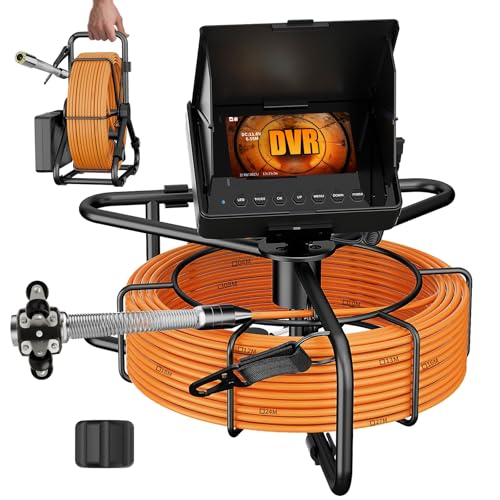
Sewer Camera 100ft w/ 23mm 1080P Probe, 8500mAh, 32GB Audio & Video Record | Drain Camera 4.3" w/ IP68 Waterproof for Plumbers, Drain Pipe & Industrial Inspection, Endoscope Camera with Light(12 LEDs)
Check price on AmazonFrequently Asked Questions
How much does a plumbing camera inspection cost?
Professional plumbing camera inspections typically cost between $150 and $500, depending on the location and complexity. Buying your own camera ranges from $150 for basic models to $8,000+ for professional-grade systems.
Can I use a plumbing camera myself?
Yes. Homeowners can use handheld or push rod cameras for basic inspections. However, professional-grade sewer cameras require some training to operate effectively and interpret the footage accurately.
How far can a plumbing camera see?
Most residential cameras have cables ranging from 30 to 100 feet. Professional models can reach 200 feet or more. The camera itself can see as far as the LED lights illuminate, typically several feet ahead in a clear pipe.
Are plumbing cameras waterproof?
Yes, quality plumbing inspection cameras are designed with IP68 waterproof ratings, meaning they can be fully submerged in water for extended periods without damage.
What is the best plumbing camera for home use?
For most homeowners, a handheld drain camera with a 50-foot cable, 720p resolution, and built-in monitor in the $200–$500 range offers the best balance of performance and value.
Final Thoughts
A plumbing camera inspection is one of the smartest investments you can make for your home or plumbing business. It transforms guesswork into clear, actionable information, helping you avoid costly repairs and maintain a healthy plumbing system. Whether you choose a budget-friendly handheld unit or a professional-grade sewer camera, the key is to match the tool to your specific needs.
For those who work across different inspection and camera applications, you may also find value in exploring cameras for video or content creator cameras for documentation and content creation. Whatever your goal, having the right camera makes all the difference.