
Sports Photography Camera for Beginners
Capture every split-second moment with confidence. Our beginner-friendly guide breaks down the essential features, lens choices, and budget-friendly cameras for shooting fast-paced sports and action.
SEE RECOMMENDED CAMERASWhy Trust This Guide? Sports photography is one of the most demanding genres for any camera. We've analyzed autofocus systems, burst rates, buffer depths, and real-world performance to help you choose a camera that won't let you down when the action peaks.
What Makes a Camera Good for Sports Photography?
Sports photography is all about timing. Whether you're shooting your child's soccer game, a local track meet, or a high school basketball tournament, the difference between a stunning action shot and a blurry miss comes down to three critical camera capabilities: fast autofocus, high burst rate, and a deep buffer.
As a beginner, you don't need to spend thousands of dollars on professional gear. Modern entry-level mirrorless and DSLR cameras offer impressive autofocus tracking and continuous shooting speeds that were once reserved for flagship models. The key is understanding which specifications actually matter for action photography—and which ones are just marketing hype.
If you're still exploring different camera types, our guide to the best beginner mirrorless camera for photography provides a solid foundation before you specialize in sports. For those on a tighter budget, there are also affordable cameras for beginner photographers that can still deliver respectable action shots.
Essential Features for Beginner Sports Photography
Before diving into specific camera recommendations, let's break down the specifications that directly impact your ability to capture fast action.
⚡ Autofocus System
Look for cameras with phase-detection AF and subject tracking (human/animal/vehicle). This is the single most important feature for sports.
📸 Burst Rate (FPS)
Aim for at least 8-10 frames per second (fps) with continuous autofocus. Higher fps means more chances to catch the perfect moment.
💾 Buffer Depth
The number of shots you can take before the camera slows down. Look for cameras that can sustain at least 30-50 RAW frames.
🔭 Lens Compatibility
Fast telephoto lenses (70-200mm f/2.8 or 100-400mm) are ideal, but affordable zoom lenses can work well in good light.
👁️ Viewfinder
A bright optical or high-resolution electronic viewfinder (EVF) with no blackout during continuous shooting helps you track subjects.
🎯 Subject Recognition
Modern AI-based subject detection for athletes, birds, and vehicles can dramatically improve your hit rate as a beginner.
Understanding the Exposure Triangle for Sports
In sports photography, you'll typically prioritize a fast shutter speed (1/500s or faster) to freeze motion. This means using a wider aperture and higher ISO. Cameras with good high-ISO performance (clean images at ISO 3200-6400) give you more flexibility in indoor or evening games. If you're new to manual settings, our indoor photography lighting for beginners guide can help you understand how to work with challenging light.
DSLR vs. Mirrorless for Sports: Which Should You Choose?
Both DSLR and mirrorless cameras can excel at sports photography, but each has distinct advantages for beginners.
Mirrorless Cameras
Mirrorless cameras have largely become the preferred choice for action photography. Their electronic viewfinders show a real-time preview of exposure, and advanced subject-tracking autofocus (often AI-powered) makes it easier to lock onto moving athletes. Models like the Sony Alpha series and Canon EOS R series offer excellent beginner-friendly options. If you're considering this route, our guide to the best beginner camera for photography and video covers hybrid options that work well for both.
DSLR Cameras
DSLRs still offer excellent optical viewfinders with no lag and typically longer battery life. They can be a great value on the used market, and the vast ecosystem of affordable telephoto lenses makes them attractive for budget-conscious beginners. However, their autofocus systems generally don't match the latest mirrorless subject-tracking technology.
For most beginners entering sports photography today, a mirrorless camera with a strong autofocus system is the recommended path. But if you already own a DSLR or find a great deal, you can absolutely learn and grow with one.
Recommended Sports Photography Cameras for Beginners
⚠️ AFFILIATE DISCLOSURE: This website contains affiliate links. As an affiliate Associate, we earn from qualifying purchases. If you make a purchase through these links, we may receive a small commission at no additional cost to you. Read our full affiliate policy.

Canon EOS Rebel T7 DSLR Camera EF-S 18-55mm f/3.5-5.6 is II Lens Kit | 24.1 Megapixel CMOS (APS-C) Sensor, Full HD Videos, Built-in Wi-Fi, Beginner Photographers, Digital Camera
Check price on Amazon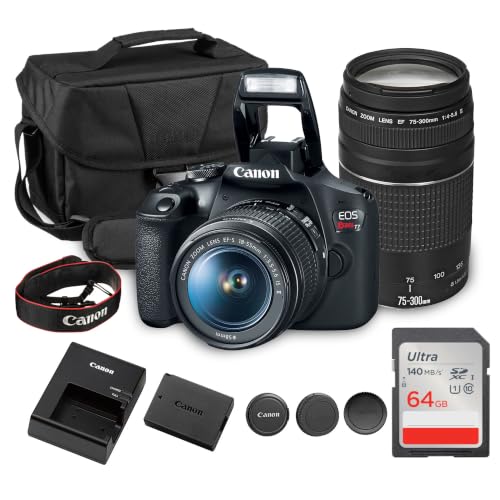
Canon EOS Rebel T7 DSLR Camera with 18-55mm & 75-300mm Double Lens Bundle | For Beginner Photography | 24.1MP APS-C DSLR Camera | Full HD 1080p Video + 64GB Memory Card + Camera Bag (2727C002)
Check price on Amazon
Camtryzine 6K Digital Camera, 64MP Vlogging Camera for YouTube, WiFi | AF, 3" Flip Screen, 16X Zoom, 18 Filters, Time-Lapse, Slow-Mo, 64GB Card, 2 Batteries, photography for beginners camera,Black
Check price on Amazon
Canon EOS Rebel T7 DSLR Camera with 18-55mm Lens Bundle | For Beginner Photography | 24.1MP APS-C DSLR Camera | Built-in Wi-Fi & NFC + 64GB Memory Card + Camera Bag
Check price on Amazon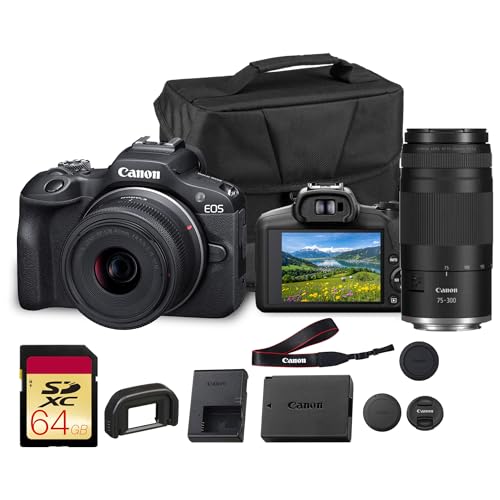
Canon EOS R100 Mirrorless Camera with 18-45mm & 75-300mm Double Lens Bundle | For Photography & Video | 24.2MP APS-C Mirrorless Camera | 4K Video | Dual Pixel Autofocus + 64GB Memory Card + Camera Bag
Check price on Amazon
5K Digital Cameras for Photography 80MP WiFi UHD Autofocus Vlogging Camera | Camera for YouTube, Fast Autofocus, Travel Video Camara Beginner, 3" 270° Flip Screen, 18X Zoom, Memory Card, Lens Hood
Check price on Amazon
64MP 8K Cameras for Photography with 2.8" Flip Screen & Hot Shoe,Black | 16X Zoom, WiFi, Autofocus,Vlogging Camera for YouTube, 32GB Card & 2 Batteries
Check price on AmazonBudget Guide: What Should You Expect to Spend?
Sports photography can be as expensive or as affordable as you make it. Here's a realistic breakdown of what you'll pay for a beginner-friendly setup:
- Entry-Level Camera Body: $500–$900 — Look for models with at least 8 fps and phase-detection AF.
- Mid-Range Camera Body: $900–$1,500 — Better autofocus, higher burst rates, and improved high-ISO performance.
- Telephoto Zoom Lens (70-300mm): $200–$600 — A great starting point for outdoor sports in good light.
- Fast Telephoto Zoom (70-200mm f/2.8 or f/4): $600–$1,500 — Essential for indoor sports and low-light conditions.
- Memory Cards (High-Speed): $30–$80 — Don't skimp here; slow cards will bottleneck your buffer.
A complete beginner setup with a camera body and a versatile telephoto lens typically runs $800–$1,500. You can start with a kit lens and upgrade later, or look for cheap cameras for beginner photographers that still offer solid action capabilities. If you're also interested in video, our guide to the professional video camera for beginners explores options that handle both mediums well.
Pros and Cons of Entry-Level Sports Cameras
Every camera involves trade-offs. Here's an honest look at what you gain and what you sacrifice when choosing a beginner-focused sports camera.
✅ Pros
- Affordable entry point into action photography
- Lightweight and easy to carry to games
- Modern autofocus is often excellent
- Good enough for youth sports and outdoor events
- Can double as a general-purpose camera
❌ Cons
- Buffer depth may limit long bursts
- High-ISO performance is not pro-level
- May struggle with indoor/low-light sports
- Lens selection can be limited on a budget
- Build quality is less robust than pro models
For most beginners, the pros far outweigh the cons. You can capture excellent action shots at local games and outdoor events without breaking the bank. As your skills grow, you can upgrade to a more capable body or invest in faster glass.
Beginner Tips for Shooting Sports Like a Pro
Gear matters, but technique matters more. Here are practical tips to improve your sports photography immediately:
1. Master Continuous Autofocus (AF-C)
Switch your camera to continuous autofocus mode and enable subject tracking. This tells the camera to keep adjusting focus as your subject moves toward or away from you.
2. Use Back-Button Focus
Separate the autofocus activation from the shutter button. This gives you more control and prevents the camera from refocusing every time you press the shutter.
3. Shoot in Shutter Priority Mode
Set your shutter speed to at least 1/500s for most sports, and 1/1000s for faster action like running or motorsports. Let the camera handle the rest while you learn.
4. Anticipate the Action
Don't chase the action—predict it. Position yourself where the key moments happen: the goal line, the finish line, the batter's box. This is a skill that separates good sports photographers from great ones.
5. Practice, Practice, Practice
Take your camera to local games, practices, or even your backyard. The more you shoot, the better you'll understand your camera's behavior and the rhythms of the sports you love.
For more foundational photography skills, explore our semi-professional camera for beginners guide, which covers advanced techniques and gear that bridge the gap between amateur and professional work.
Frequently Asked Questions
Can I use a point-and-shoot camera for sports photography?
While some premium point-and-shoot cameras have decent burst rates, most struggle with continuous autofocus tracking. A mirrorless or DSLR camera with interchangeable lenses is strongly recommended for sports. If you're curious about compact options, our guide to the point-and-shoot digital camera with viewfinder explores what's possible in that category.
What lens should I buy first for sports photography?
A 70-300mm f/4-5.6 zoom lens is an excellent starting point for outdoor sports in daylight. It's affordable, versatile, and gives you the reach you need. For indoor sports, a 70-200mm f/2.8 or f/4 lens is ideal but more expensive.
How many frames per second do I need for sports?
Aim for at least 8 fps with continuous autofocus. 10-12 fps is better for fast-moving sports like soccer or basketball. More than 20 fps is rarely necessary for beginners and often comes with a significant price premium.
Is a full-frame camera necessary for sports photography?
No. APS-C (crop sensor) cameras offer excellent value for sports photography. They provide extra reach with telephoto lenses (due to the crop factor) and are generally more affordable. Full-frame cameras offer better low-light performance and shallower depth of field, but they're not essential for beginners.
What memory card should I use for sports photography?
Use a UHS-II SD card or CFexpress card with a write speed of at least 150MB/s. Slow cards will cause your buffer to fill up quickly, preventing you from taking consecutive shots during critical moments.
Can I start sports photography with a budget camera?
Absolutely. Many affordable cameras offer excellent autofocus and burst rates. Check out our recommendations for budget mirrorless cameras for beginners to see what's possible without spending a fortune.