
Good Beginner Camera for Photography and Video
Discover the best starter cameras that excel at both stills and video. Compare mirrorless, DSLR, and point-and-shoot options with expert recommendations for every budget.
See Recommended CamerasWhy Choosing the Right Beginner Camera Matters: Your first camera shapes how you learn photography and videography. A good beginner camera should be forgiving enough to learn on, yet capable enough to grow with your skills. Whether you want to capture family moments, start a YouTube channel, or explore creative photography, the right camera makes all the difference.
This guide breaks down everything you need to know: camera types, key features, lens options, budget considerations, and our top recommendations for beginners who want to shoot both photos and videos.
What Makes a Camera Good for Beginners?
Before diving into specific models, it helps to understand what separates a beginner-friendly camera from a professional one. A good beginner camera for photography and video should balance ease of use with room to grow. Here are the key factors to consider:
- User-Friendly Controls: Intuitive menus, auto modes, and guided settings help you learn without frustration.
- Good Autofocus: Reliable autofocus is critical for both photography and video, especially when tracking moving subjects.
- Video Capabilities: Look for at least 4K video, a microphone input, and a flip-out screen for vlogging.
- Interchangeable Lenses: Mirrorless and DSLR cameras let you upgrade lenses as your skills grow.
- Comfortable Size and Weight: A camera you enjoy carrying is a camera you will actually use.
- Budget-Friendly: You do not need to spend thousands to get started. Many excellent beginner cameras cost between $500 and $1,000.
If you are also considering a compact option, a point-and-shoot digital camera with viewfinder can be a great starting point for learning composition without the complexity of interchangeable lenses. For those leaning toward mirrorless systems, a beginner mirrorless camera for photography offers an excellent balance of portability and image quality.
Camera Types for Beginners: Which One Is Right for You?
There are three main types of cameras that work well for beginners. Each has distinct advantages depending on your goals and budget.
1. Mirrorless Cameras
Mirrorless cameras have become the top choice for beginners who want both photography and video capabilities. They are compact, lightweight, and offer excellent autofocus performance. Modern mirrorless systems from Sony, Canon, Fujifilm, and Nikon provide a wide range of affordable lenses.
If you are serious about video, mirrorless cameras are generally the best option because they offer clean HDMI output, microphone inputs, and advanced video features like 4K recording and log profiles. A budget mirrorless camera for beginners can deliver professional-looking results without breaking the bank.
2. DSLR Cameras
DSLRs still have a loyal following thanks to their optical viewfinders, long battery life, and vast lens ecosystems. For beginners, a used or entry-level DSLR can be an affordable way to learn manual exposure. However, DSLRs are generally bulkier and less suited to video than mirrorless cameras.
If you are primarily interested in still photography and want to learn the fundamentals of exposure, a DSLR remains a solid choice. Just be aware that the industry is shifting toward mirrorless, so lens availability for new DSLR systems may decline over time.
3. Point-and-Shoot Cameras
Point-and-shoot cameras are the simplest option. They are compact, affordable, and often have built-in zoom lenses. While they lack the flexibility of interchangeable lenses, they are perfect for travel, casual photography, and learning composition.
For beginners who want something pocketable, a beginner point-and-shoot digital camera is an excellent starting point. Some premium compacts even offer manual controls, giving you room to grow. If you prefer a camera with a viewfinder for easier framing in bright light, a compact point-and-shoot camera with viewfinder is worth considering.
Beginner Camera Comparison: Mirrorless vs DSLR vs Point-and-Shoot
| Feature | Mirrorless | DSLR | Point-and-Shoot |
|---|---|---|---|
| Best For | Photo + Video | Photo-focused learning | Travel & casual use |
| Size & Weight | Compact, lightweight | Bulkier, heavier | Very compact |
| Lens Flexibility | Interchangeable | Interchangeable | Built-in only |
| Video Quality | Excellent (4K+) | Good (limited 4K) | Basic to good |
| Autofocus | Advanced (eye/animal AF) | Good but older tech | Basic contrast-detect |
| Battery Life | Moderate | Excellent | Good |
| Price Range | $500–$1,200 | $400–$900 | $300–$800 |
| Learning Curve | Moderate | Moderate | Easy |
Key Features to Look For in a Beginner Camera
When comparing beginner cameras, focus on the features that directly impact your ability to learn and create. Here are the most important ones:
📷 Sensor Size
APS-C sensors offer the best balance of image quality, low-light performance, and affordability for beginners. Full-frame sensors are better in low light but cost more. Micro Four Thirds is compact but has slightly lower resolution.
🎥 4K Video
4K video is now standard even in budget cameras. It gives you flexibility to crop and stabilize footage in editing. Look for 4K at 24/30fps minimum, and 1080p at 60/120fps for slow motion.
🔍 Autofocus System
Phase-detection autofocus with eye tracking is a game-changer for beginners. It keeps subjects sharp automatically, whether you are shooting portraits, pets, or vlogging.
🎤 Microphone Input
Essential for video. A 3.5mm mic jack lets you connect an external microphone for clean audio. Built-in mics are rarely good enough for serious video work.
🔄 Flip-Out Screen
A vari-angle or flip-up screen makes it easy to frame yourself for vlogging, shoot from unusual angles, and review footage in bright conditions.
📡 Wi-Fi & Bluetooth
Wireless connectivity lets you transfer photos to your phone instantly, control the camera remotely, and share to social media without a computer.
How Much Should You Spend on a Beginner Camera?
You do not need to spend a fortune to get started. Here is a realistic breakdown of what different budgets get you:
Budget Tiers for Beginner Cameras
$300–$500: Entry-level point-and-shoot cameras or older used DSLRs. Good for learning composition and basic exposure. Limited video features. A affordable camera for beginner photographer in this range can still produce excellent photos with practice.
$500–$800: The sweet spot for beginners. You can get a new mirrorless camera with a kit lens, 4K video, and decent autofocus. This range offers the best value for someone who wants to shoot both photos and video.
$800–$1,200: Mid-range mirrorless cameras with better sensors, improved autofocus, and more advanced video features. Ideal if you are serious about growing your skills.
$1,200+: Enthusiast-level cameras with full-frame sensors or advanced video capabilities. Only worth it if you already know you will stick with photography or videography long-term.
Keep in mind that the lens matters as much as the camera body. A good kit lens is fine to start, but budgeting for a fast prime lens (like a 35mm f/1.8) will dramatically improve your results. For those who want a camera that can handle more demanding projects, a semi-professional camera for beginners offers advanced features without overwhelming complexity. If your focus is video, a professional video camera for beginners might be a better fit.
Best Beginner Cameras for Photography and Video
Based on extensive research and hands-on experience, here are the camera categories that consistently deliver the best results for beginners:
Mirrorless Cameras: The Top Pick for Most Beginners
Mirrorless cameras dominate the beginner market for good reason. They offer the best combination of image quality, video features, portability, and future-proofing. Popular options include the Sony Alpha series, Canon EOS R series, Fujifilm X series, and Nikon Z series.
For photography, mirrorless cameras provide accurate exposure preview through the electronic viewfinder. For video, they offer features like focus peaking, zebras, and clean HDMI output. If you are looking for a camera that does both exceptionally well, a beginner mirrorless camera for photography is an excellent choice.
DSLR Cameras: Still a Solid Choice
DSLRs remain popular among beginners who want to learn on a traditional system. The optical viewfinder offers a natural viewing experience, and battery life is typically much longer than mirrorless. Entry-level DSLRs from Canon and Nikon are widely available and often discounted.
However, if video is a priority, mirrorless is generally the better choice. DSLR autofocus in live view and video mode is often slower and less reliable than modern mirrorless systems.
Point-and-Shoot Cameras: Simple and Portable
If you want something you can slip into a pocket, a point-and-shoot is the way to go. These cameras are perfect for travel, street photography, and everyday carry. Some advanced compacts offer manual controls and larger sensors, bridging the gap between point-and-shoot and mirrorless.
For beginners who want a no-fuss camera that still delivers good image quality, a beginner point-and-shoot digital camera is a smart starting point. If you prefer framing through a viewfinder rather than a screen, a compact point-and-shoot camera with viewfinder is worth the extra cost.
Pros and Cons of Beginner Cameras
Every camera type has trade-offs. Here is an honest look at what you gain and what you give up:
Advantages of Beginner Cameras
- Affordable entry point into photography and video
- Automatic modes make learning easy
- Lightweight and portable designs
- Good enough image quality for social media and prints
- Room to grow with manual controls
- Access to affordable lenses and accessories
- Wi-Fi and app connectivity for easy sharing
Limitations to Consider
- Smaller sensors than professional cameras
- Limited low-light performance
- Fewer manual controls on entry-level models
- Slower burst shooting for action
- Less robust build quality
- Video may lack advanced features like log profiles
- Kit lenses are often mediocre
These limitations are rarely deal-breakers for beginners. In fact, learning to work within constraints often makes you a better photographer. As your skills grow, you can upgrade to a more capable body or invest in better lenses.
Essential Accessories for Beginner Photographers and Videographers
Your camera is just the beginning. These accessories will help you get the most out of your beginner camera:
- Extra Battery: Mirrorless cameras drain batteries quickly, especially when shooting video. Always carry a spare.
- SD Card (UHS-II): A fast memory card prevents buffering during burst shooting and 4K video recording.
- Camera Bag: Protect your investment with a padded bag or insert.
- Lens Cleaning Kit: A microfiber cloth, blower, and lens pen keep your optics pristine.
- Tripod: Essential for long exposures, night photography, and stable video.
- External Microphone: Dramatically improves video audio quality for vlogging and interviews.
- ND Filter: Allows you to use wide apertures in bright light for cinematic video and shallow depth of field.
Tips for Learning Photography and Video with Your First Camera
Buying a camera is the easy part. Here is how to actually improve your skills:
- Start in Auto, Then Move to Manual: Use auto modes to get comfortable, then gradually take control of aperture, shutter speed, and ISO.
- Shoot Every Day: Even 10 minutes a day builds muscle memory and creative intuition.
- Learn the Exposure Triangle: Aperture, shutter speed, and ISO are the foundation of all photography.
- Study Composition: Rule of thirds, leading lines, framing, and negative space apply to both photo and video.
- Edit Your Work: Learning basic editing in Lightroom or DaVinci Resolve transforms good shots into great ones.
- Watch Tutorials: YouTube is a free university for photography and videography.
- Get Feedback: Join online communities and share your work for constructive criticism.
For those interested in specific genres, a sports photography camera for beginners needs fast autofocus and burst shooting, while a professional camera for photography and videography offers more advanced controls for those ready to go pro. If you also want to capture wildlife, a digital camera for wildlife photography or a starter camera for wildlife photography requires good reach and fast tracking.
Frequently Asked Questions
A mirrorless camera with 4K video, a flip-out screen, and reliable autofocus is the best choice for most beginners. Look for models in the $500–$800 range from Sony, Canon, Fujifilm, or Nikon. These offer excellent image quality for photos and video without overwhelming complexity.
No. APS-C and Micro Four Thirds sensors are more than enough for learning. They are more affordable, lighter, and offer excellent image quality. Full-frame becomes more relevant when you need the best low-light performance or extreme shallow depth of field.
Both are viable. Buying used can get you a better camera for the same budget, but you risk inheriting problems. If buying used, check shutter count, sensor condition, and buy from reputable sellers with return policies. Buying new gives you warranty and peace of mind.
The lens is arguably more important than the camera body for image quality. A good lens on a budget camera will outperform a mediocre lens on an expensive camera. Start with a kit lens, then invest in a fast prime lens (like 35mm f/1.8 or 50mm f/1.8) as soon as you can.
Absolutely. Many professionals started with entry-level cameras. The camera does not limit your creativity as much as you might think. That said, for demanding professional work, you may eventually need a camera with dual card slots, better weather sealing, and more advanced video features. A semi-professional camera for beginners can bridge that gap when you are ready.
If you are interested in automotive content, the same principles apply. A mirrorless camera with good autofocus and 4K video works well. For dash cam or car surveillance needs, that is a different category entirely. A wireless front and rear camera for car or a battery-powered dash cam front and rear serves a different purpose than a beginner photography camera.
Recommended Beginner Cameras for Photography and Video
⚠️ AFFILIATE DISCLOSURE: This website contains affiliate links. As an affiliate Associate, we earn from qualifying purchases. If you make a purchase through these links, we may receive a small commission at no additional cost to you. Read our full affiliate policy.

Canon EOS Rebel T7 DSLR Camera EF-S 18-55mm f/3.5-5.6 is II Lens Kit | 24.1 Megapixel CMOS (APS-C) Sensor, Full HD Videos, Built-in Wi-Fi, Beginner Photographers, Digital Camera
Check price on Amazon
5K Digital Cameras for Photography 80MP WiFi UHD Autofocus Vlogging Camera | Camera for YouTube, Fast Autofocus, Travel Video Camara Beginner, 3" 270° Flip Screen, 18X Zoom, Memory Card, Lens Hood
Check price on Amazon
Yatao 6K WiFi Flip Screen Digital Camera, Mic & Fill Light for Photography | Compact Vlogging Camera for YouTube & Beginners, 16X Zoom Dual Lens with 64GB Card, Perfect for Content Creators,Black
Check price on Amazon
Camtryzine 6K Digital Camera, 64MP Vlogging Camera for YouTube, WiFi | AF, 3" Flip Screen, 16X Zoom, 18 Filters, Time-Lapse, Slow-Mo, 64GB Card, 2 Batteries, photography for beginners camera,Black
Check price on Amazon
Duluvulu 4K Digital Camera for Photography Autofocus, 2026 Latest 48MP Vlogging Camera for YouTube with SD Card, 2 Batteries, 3" 180°Flip Screen Compact Travel Camera for Teens with 16X Zoom,Black
Check price on Amazon
8K Digital Camera, 88MP Autofocus Camera for Photography & Beginners | 8K Video, 88MP Photos, AutoFocus, Anti-Shake, 180° Flip Screen, WiFi, 18X Zoom, Built-in Flash, Dual Batteries
Check price on Amazon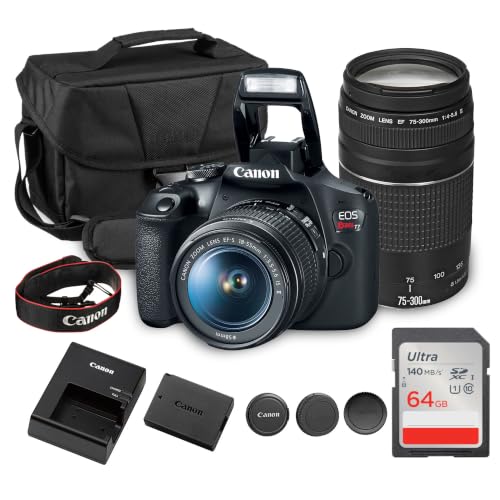
Canon EOS Rebel T7 DSLR Camera with 18-55mm & 75-300mm Double Lens Bundle | For Beginner Photography | 24.1MP APS-C DSLR Camera | Full HD 1080p Video + 64GB Memory Card + Camera Bag (2727C002)
Check price on AmazonReady to Start Your Photography Journey?
Choosing the right beginner camera is the first step toward capturing stunning photos and videos. Explore our recommended cameras above, and check back for more in-depth guides on lenses, techniques, and gear.
View Recommended Cameras