
Digital Camera for Wildlife Photography: The Complete Buyer's Guide
Master the art of animal photography with the right gear. Learn which features matter most—from blazing-fast autofocus to weather-sealed bodies—and find the perfect camera for your adventures.
SEE TOP RECOMMENDATIONSWhy Wildlife Photography Demands More: Capturing a fleeting moment—a bird in flight, a leopard mid-stride, or a whale breaching—requires a camera that can keep up. Unlike studio or landscape photography, wildlife photography pushes your gear to its absolute limits. You need speed, reach, reliability, and often, the ability to perform in harsh conditions. This guide will walk you through every critical specification, helping you make an informed decision before you invest.
Key Features to Look For in a Wildlife Camera
Not all digital cameras are created equal when it comes to wildlife. The difference between a sharp, usable image and a blurry, missed opportunity often comes down to a few critical specifications. Understanding these will help you filter through the marketing hype and focus on what truly matters in the field.
⚡ Burst Rate & Buffer
Wildlife is unpredictable. A high burst rate (10+ frames per second) lets you capture a sequence of action, increasing your odds of getting "the shot." A deep buffer ensures the camera doesn't slow down during critical moments.
🎯 Advanced Autofocus
Modern cameras use AI-driven subject detection to lock onto an animal's eye or body. Look for systems with wide coverage, fast tracking, and reliable performance in low light—essential for dawn and dusk activity.
🌙 Low-Light Performance
Many animals are crepuscular (active at dawn and dusk). A sensor with excellent high-ISO performance and minimal noise is crucial. Full-frame sensors generally excel here, but advanced APS-C models are closing the gap.
🔭 Reach & Crop Factor
You can never have enough reach. APS-C and Micro Four Thirds sensors offer a crop factor that multiplies your lens's effective focal length. This means a 300mm lens behaves like a 450mm on APS-C, giving you more "zoom" for your buck.
🛡️ Weather Sealing
Wildlife photography often means rain, dust, sand, and extreme temperatures. A weather-sealed body and lens are not a luxury—they are a necessity to protect your investment and keep shooting when conditions turn.
🔋 Battery Life & Ergonomics
You'll be spending hours in a hide or hiking. Long battery life and comfortable, intuitive controls are vital. A camera that feels good in your hands and lets you change settings without looking is a significant advantage.
DSLR vs. Mirrorless for Wildlife
For years, DSLRs were the undisputed kings of wildlife photography. But mirrorless technology has rapidly evolved and is now a top choice for many professionals. Each has its strengths, and your choice may depend on your budget, brand preference, and specific needs.
✅ Mirrorless Cameras
- Faster & Smarter AF: Subject detection and eye-tracking are game-changers.
- Silent Shooting: Crucial for not startling skittish animals.
- Compact & Lightweight: Easier to carry on long hikes.
- Electronic Viewfinder: See exposure changes in real-time.
- High Frame Rates: Often surpass DSLRs in burst speed.
⚠️ DSLR Cameras
- Optical Viewfinder: No lag, natural view of the scene.
- Longer Battery Life: Generally lasts longer on a single charge.
- Vast Lens Selection: Decades of affordable used lenses available.
- Proven Reliability: Trusted by professionals for decades.
- Lower Entry Cost: Often more affordable, especially used.
For many beginners, a beginner mirrorless camera for photography offers the best blend of modern technology and value. However, if you are on a tighter budget, a semi-professional camera for beginners (often a DSLR) can be an excellent starting point. The key is to invest in good glass—a sharp telephoto lens will do more for your images than a marginally better camera body.
What to Expect at Different Budgets
Wildlife photography can be as expensive as you want it to be. However, you can get started and achieve great results at almost any budget. Here’s a realistic breakdown of what your money gets you in today’s market.
| Budget Range | What You Can Expect | Recommended For |
|---|---|---|
| $500 – $1,000 | Entry-level DSLR or mirrorless body with a kit lens. Good for backyard birds and larger, approachable animals. Crop-sensor for extra reach. | Beginners, hobbyists on a tight budget. |
| $1,000 – $2,500 | Advanced APS-C or entry-level full-frame body. Faster burst rates, better AF, and weather sealing. Paired with a dedicated telephoto lens (e.g., 70-300mm or 100-400mm). | Enthusiasts, serious hobbyists. |
| $2,500 – $5,000 | High-performance full-frame or premium APS-C body. Professional-grade AF, deep buffers, and excellent high-ISO performance. Paired with a high-quality telephoto zoom or prime. | Semi-professionals, dedicated enthusiasts. |
| $5,000+ | Flagship professional bodies and exotic super-telephoto primes (400mm, 600mm). Unmatched speed, reach, and low-light capability. The ultimate setup for any wildlife scenario. | Professionals, serious enthusiasts. |
If you are just starting, don't be discouraged by the high-end options. You can find a budget camera for wildlife photography that will help you learn the fundamentals. Even a starter camera for wildlife photography can produce stunning images with patience and good technique. As your skills grow, you can upgrade your gear. For those interested in the technical side of capturing animals at night, a outdoor night vision camera for wildlife can be a fascinating addition to your toolkit.
Top-Rated Digital Cameras for Wildlife Photography
⚠️ AFFILIATE DISCLOSURE: This website contains affiliate links. As an affiliate Associate, we earn from qualifying purchases. If you make a purchase through these links, we may receive a small commission at no additional cost to you. Read our full affiliate policy.

Canon EOS Rebel T7 DSLR Camera Double Zoom Lens Kit | EF-S 18-55mm & EF 75-300mm Lenses, 24.1 Megapixel CMOS (APS-C) Sensor, Full HD Videos, Wi-Fi, Beginner Photographers
Check price on Amazon
KODAK PIXPRO AZ528 16MP Digital Camera, 52x Optical Zoom, Wi-Fi, Black | 1080p Full HD Video, 24mm Wide Angle Lens, 3 Inch LCD, Optical Image Stabilization, 6fps Burst, Bridge Camera
Check price on Amazon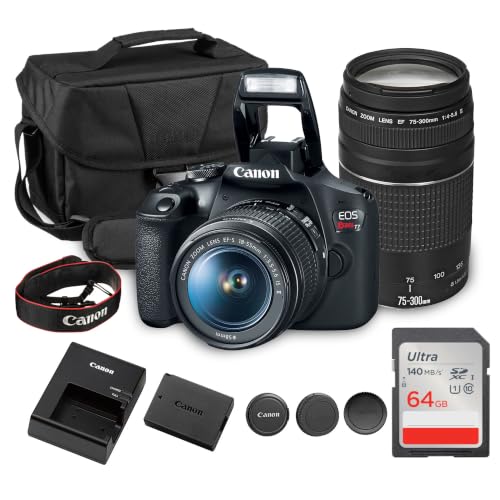
Canon EOS Rebel T7 DSLR Camera with 18-55mm & 75-300mm Double Lens Bundle | For Beginner Photography | 24.1MP APS-C DSLR Camera | Full HD 1080p Video + 64GB Memory Card + Camera Bag (2727C002)
Check price on Amazon
Canon EOS Rebel T7 DSLR Camera EF-S 18-55mm f/3.5-5.6 is II Lens Kit | 24.1 Megapixel CMOS (APS-C) Sensor, Full HD Videos, Built-in Wi-Fi, Beginner Photographers, Digital Camera
Check price on Amazon
Canon EOS Rebel T7 DSLR Camera with 18-55mm Lens Bundle | For Beginner Photography | 24.1MP APS-C DSLR Camera | Built-in Wi-Fi & NFC + 64GB Memory Card + Camera Bag
Check price on Amazon
Canon EOS Rebel T7 DSLR Camera w/EF-S 18-55mm F/3.5-5.6 Zoom Lens + 420-800mm Super Telephoto Lens + 100S Sling Backpack + 64GB Memory Cards, Professional Photo Bundle (42pc Bundle) (Renewed)
Check price on Amazon
True 8K 64MP Digital Camera for Photography with Microphone(Black) | Autofocus & Anti-Shake,16X Zoom,WiFi,Wide-Angle Macro Lens,32GB TF Card,Vlogging Camera for YouTube & Travel
Check price on Amazon
Duluvulu 4K Digital Camera for Photography Autofocus, 2026 Latest 48MP Vlogging Camera for YouTube with SD Card, 2 Batteries, 3" 180°Flip Screen Compact Travel Camera for Teens with 16X Zoom,Black
Check price on AmazonThe Lens: Your Most Important Investment
A camera body will come and go, but a great lens can last you a lifetime. In wildlife photography, the lens is arguably more important than the camera. You need reach, sharpness, and fast autofocus. A common mistake is to spend your entire budget on a camera body and have nothing left for a decent lens.
For most beginners, a telephoto zoom lens (like a 100-400mm or 200-600mm) offers the best versatility. It allows you to frame animals at various distances. If you are on a very tight budget, a cheap camera for beginner photographers combined with a used telephoto lens is a great way to start. If you are also interested in capturing fast action in other genres, check out our guide on a sports photography camera for beginners, as the requirements for speed and reach often overlap.
Techniques for Success in the Field
Gear is only half the battle. Wildlife photography requires patience, fieldcraft, and a solid understanding of your subject. Here are a few tips to improve your success rate:
- Know Your Subject: Research animal behavior, habitats, and peak activity times. Understanding when and where to be is more important than any camera setting.
- Master Your Autofocus: Practice switching between single-point, zone, and subject-tracking AF modes. Learn back-button focus for ultimate control.
- Shutter Speed is King: For moving animals, aim for at least 1/1000s, and for birds in flight, 1/2000s or faster. Don't be afraid to raise your ISO to get the shot.
- Respect the Wildlife: Your first priority is the safety and well-being of the animal. Never bait, harass, or encroach on their space. A true wildlife photographer is a conservationist first.
- Patience and Persistence: You will have many more missed shots than keepers. That's normal. The key is to learn from each outing and keep going back.
If you are also interested in capturing the world around you in other ways, a professional camera for photography and videography can be a versatile tool for both stills and motion. And if you ever want to document your adventures from a different perspective, a trail camera with the longest detection range can capture elusive wildlife without you being present.
Making Your Final Decision
Choosing the right digital camera for wildlife photography is a personal decision that depends on your budget, your physical capabilities, and the type of wildlife you want to photograph. There is no single "best" camera for everyone.
The most important thing is to start. Don't wait for the perfect gear. Get a camera that fits your hands and your budget, pair it with the longest lens you can afford, and get out there. Every hour you spend in the field is an hour of learning. You will quickly discover what works for you and what doesn't, and your next gear purchase will be an informed one. For those who want to explore all genres, you might also consider a good beginner camera for photography and video to cover all your bases. And if you're looking for a reliable, affordable option to start with, an affordable camera for a beginner photographer can be the perfect entry point. Remember, the best camera is the one you have with you.
Disclaimer
The information provided on AllCameraGuide is for educational and informational purposes only. We are not professional camera technicians or photographers, and our content should not replace professional advice. Always consult with a qualified expert regarding camera compatibility, safety, or technical concerns. Some content may use AI assistance. Always check product warranties and safety standards before purchasing. If you do not agree, please do not use this website. Read the full disclaimer.