
Starter Camera for Wildlife Photography
Capture the beauty of nature with the right beginner camera. Our comprehensive guide helps you choose a budget-friendly wildlife camera, understand essential features, and start your wildlife photography journey with confidence.
See Recommended CamerasWhy Wildlife Photography? Wildlife photography connects you with nature, challenges your technical skills, and rewards patience. With the right starter camera, you can capture breathtaking images of birds, mammals, and insects without breaking the bank. This guide will walk you through everything you need to know before making a purchase.
Why Choose a Dedicated Starter Camera for Wildlife?
Smartphones and point-and-shoot cameras have their place, but wildlife photography demands specific capabilities that only dedicated cameras can provide. Animals move quickly, often appear at a distance, and frequently emerge in challenging lighting conditions. A proper starter camera for wildlife photography gives you the tools to overcome these obstacles.
Unlike casual photography, wildlife shooting requires fast autofocus, high continuous shooting speeds, and the ability to use telephoto lenses. A beginner mirrorless camera for photography or a capable DSLR can make the difference between a blurry snapshot and a stunning, publication-worthy image.
If you're also interested in capturing fast action, the principles overlap significantly with a sports photography camera for beginners. Both demand quick reflexes and reliable gear.
Key Features to Look For in a Beginner Wildlife Camera
- Fast Autofocus System: Look for cameras with phase-detection AF and animal eye detection. This technology locks onto your subject's eye, ensuring sharp focus even when the animal is moving.
- Continuous Shooting Speed: A minimum of 5–7 frames per second (fps) is recommended. Higher-end beginner models offer 10–15 fps, which helps capture fleeting moments like a bird taking flight.
- Telephoto Lens Compatibility: The camera must support interchangeable lenses, particularly telephoto zooms in the 70–300mm or 100–400mm range. A digital camera for wildlife photography that accepts these lenses is essential.
- Good High-ISO Performance: Wildlife often appears in low light. A camera that performs well at ISO 1600–6400 will give you cleaner images.
- Weather Sealing: While not mandatory for beginners, weather-sealed bodies and lenses protect your investment in unpredictable outdoor conditions.
💡 Pro Tip: Crop Sensor Advantage
APS-C (crop sensor) cameras offer a 1.5x or 1.6x focal length multiplier. A 300mm lens on a crop sensor camera gives you the equivalent field of view of a 450mm lens on a full-frame camera. This makes crop-sensor cameras an excellent choice for beginners on a budget, as you get more reach without buying expensive super-telephoto glass.
Budget Considerations for Wildlife Photography
Wildlife photography can be as expensive as you make it. However, you don't need to spend a fortune to get started. Here's a realistic breakdown of what you can expect to pay for a capable starter setup:
| Component | Budget Range | Recommended For |
|---|---|---|
| Camera Body (DSLR or Mirrorless) | $400–$900 | Beginners who want room to grow |
| Telephoto Lens (70–300mm or 100–400mm) | $200–$600 | Essential for reaching distant subjects |
| Memory Card (64GB–128GB, UHS-II) | $20–$50 | Fast write speeds for burst shooting |
| Extra Battery | $30–$70 | Long days in the field |
| Camera Bag or Backpack | $50–$150 | Protection and organization |
| Total Estimated Setup | $700–$1,800 | A complete, capable beginner kit |
If your budget is tighter, consider a budget camera for wildlife photography or a cheap camera for beginner photographers paired with a used telephoto lens. Many excellent wildlife images have been captured with entry-level gear.
For those who want a versatile camera that can also handle portraits, landscapes, and video, a semi-professional camera for beginners might be a better long-term investment.
DSLR vs. Mirrorless for Wildlife Photography
Both DSLR and mirrorless cameras are capable of excellent wildlife photography. Your choice depends on your priorities:
DSLR Cameras
- Pros: Longer battery life, vast used lens market, often more affordable for beginners, optical viewfinder with no lag.
- Cons: Bulkier and heavier, fewer modern autofocus features like animal eye detection, louder shutter sound.
- Best for: Beginners on a tight budget who want to build a lens collection over time.
Mirrorless Cameras
- Pros: Faster and more accurate autofocus (especially with animal eye AF), lighter and more compact, silent shooting modes, electronic viewfinder previews exposure in real-time.
- Cons: Shorter battery life, fewer affordable used lenses (though this is changing rapidly), generally higher initial cost.
- Best for: Beginners who prioritize cutting-edge autofocus and portability, and who plan to shoot video as well.
For a deeper dive into the differences, see our DSLR vs Mirrorless comparison. If you're leaning toward mirrorless, a good beginner camera for photography and video can serve double duty for wildlife and content creation.
Essential Lenses for Wildlife Photography
The lens is arguably more important than the camera body for wildlife photography. Here are the most common focal lengths for beginners:
- 70–300mm f/4.5–6.3: The classic budget telephoto zoom. Lightweight, affordable, and versatile. Great for large mammals and birds at moderate distances.
- 100–400mm f/4.5–6.3: Offers more reach and often better optical quality. Ideal for birds and shy animals.
- 150–600mm f/5–6.3: A super-telephoto zoom for serious beginners. Heavier and more expensive, but provides exceptional reach.
- Prime Lenses (e.g., 300mm f/4, 400mm f/5.6): Sharper and faster than zooms, but less flexible. Best for dedicated wildlife shooters.
When choosing a lens, prioritize focal length over maximum aperture if you're on a budget. A 100–400mm f/6.3 lens will give you more usable wildlife images than a 70–200mm f/2.8, simply because you can get closer to your subject without physically approaching it.
Techniques for Beginners in Wildlife Photography
Gear is only half the equation. These techniques will dramatically improve your wildlife images:
- Master the Exposure Triangle: Understanding aperture, shutter speed, and ISO is critical. For wildlife, prioritize a fast shutter speed (1/500s or faster) to freeze motion. Read our Exposure Triangle guide for a complete tutorial.
- Use Continuous Autofocus (AF-C): Set your camera to continuous AF and enable animal eye detection if available. This keeps your subject sharp as it moves.
- Shoot in Burst Mode: Animals move unpredictably. Taking a burst of images increases your chances of capturing the perfect moment.
- Get Low: Shooting at eye level with your subject creates more intimate and engaging images. For small animals, lie on the ground.
- Be Patient: Wildlife photography is as much about waiting as it is about shooting. Learn animal behavior and anticipate action.
- Practice Composition: Apply the rule of thirds, leave space for your subject to move into, and use natural frames. Our Composition Rules guide covers these principles in detail.
For a broader foundation in photography, explore our Photography Style & Technique hub.
Accessories That Make a Difference
These accessories will enhance your wildlife photography experience:
- Monopod or Tripod: A monopod offers stability without the bulk of a tripod, making it ideal for wildlife. A sturdy tripod is better for long lens setups and low-light shooting.
- Extra Batteries: Cold weather and long field sessions drain batteries quickly. Always carry spares.
- Fast Memory Cards: UHS-II SD cards or CFexpress cards ensure your buffer clears quickly during burst shooting.
- Lens Hood: Reduces glare and protects your lens from bumps and rain.
- Rain Cover: Protects your gear from unexpected weather.
- Camera Backpack: A comfortable, weather-resistant backpack is essential for hiking to remote locations. See our Camera Backpacks guide.
Recommended Starter Cameras for Wildlife Photography
Below is a curated selection of cameras that are excellent choices for beginners entering wildlife photography. These models balance price, performance, and future upgrade potential.
Recommended Cameras for Wildlife Photography
⚠️ AFFILIATE DISCLOSURE: This website contains affiliate links. As an affiliate Associate, we earn from qualifying purchases. If you make a purchase through these links, we may receive a small commission at no additional cost to you. Read our full affiliate policy.

KODAK PIXPRO AZ405 20MP Digital Camera, 40x Optical Zoom, AA, OIS, Black | 1080p Full HD Video, 24mm Wide Angle Lens, 3 Inch LCD, Bridge Camera, Scene Detection, Travel and Wildlife
Check price on Amazon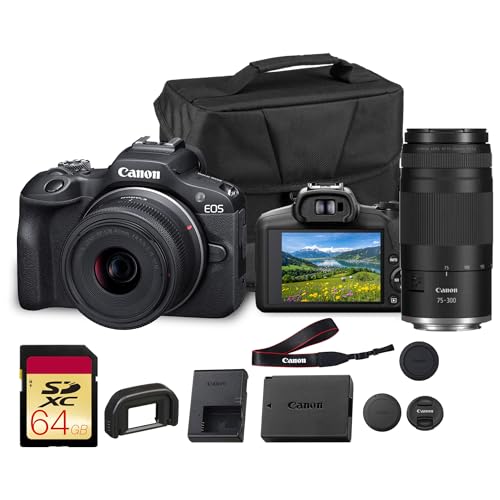
Canon EOS R100 Mirrorless Camera with 18-45mm & 75-300mm Double Lens Bundle | For Photography & Video | 24.2MP APS-C Mirrorless Camera | 4K Video | Dual Pixel Autofocus + 64GB Memory Card + Camera Bag
Check price on Amazon
NBD 8K Digital Cameras for Photography with 180°Flip Screen, Dual-Lens | WiFi Point and Shoot Camera Kit for Beginners, 16X Zoom, Wide Angle & Marco Lens, Autofocus, 2 Batteries, 32GB Card
Check price on Amazon
Canon EOS Rebel T7 DSLR Camera with EF18-55mm + EF 75-300mm Double Zoom Kit 2727C021 Bundle with 64GB Memory Card, Deco Photo Camera Bag, Deco Essentials Camera Bag and Photography Guidebook
Check price on Amazon
KODAK PIXPRO AZ255 16MP Digital Camera, 25x Optical Zoom, AA, OIS, White | 1080p Full HD Video, 24mm Wide Angle Lens, 3 Inch LCD, Bridge Camera, Wildlife and Travel Photography, SD Card
Check price on Amazon
Canon EOS Rebel T7 DSLR Camera with 18-55mm Lens Bundle | For Beginner Photography | 24.1MP APS-C DSLR Camera | Built-in Wi-Fi & NFC + 64GB Memory Card + Camera Bag
Check price on Amazon
72MP 4K Digital Camera for Photography and Video, 12X Optical Zoom Bridge Camera with Macro, Flip Screen, WiFi, Auto Focus, 2 Batteries & 32GB TF Card – Ideal for Beginners & Vloggers
Check price on AmazonWhen evaluating these options, consider your long-term goals. If you plan to expand into other genres, a professional camera for photography and videography might be a worthwhile investment. For those who also want a compact everyday camera, a point-and-shoot digital camera with viewfinder can complement your wildlife kit.
Frequently Asked Questions
What is the best starter camera for wildlife photography?
The best starter camera depends on your budget and preferences. Popular choices include entry-level APS-C DSLRs and mirrorless cameras with fast autofocus and telephoto lens compatibility. Look for models with at least 5 fps continuous shooting and animal eye detection.
Can I use a kit lens for wildlife photography?
Standard kit lenses (18–55mm) are too short for most wildlife. You'll need a telephoto zoom of at least 70–300mm. Some beginner kits include a 75–300mm lens, which is a great starting point.
Do I need a full-frame camera for wildlife photography?
No. Crop-sensor (APS-C) cameras actually offer an advantage for wildlife because they provide more reach with the same lens. Full-frame cameras excel in low light and offer better dynamic range, but they are not necessary for beginners.
How much should I spend on my first wildlife camera setup?
A complete beginner setup, including camera body, telephoto lens, memory card, and bag, typically costs between $700 and $1,800. You can start with less by buying used gear or choosing a affordable camera for beginner photographers.
Is mirrorless better than DSLR for wildlife?
Mirrorless cameras generally have faster and more accurate autofocus, especially with animal eye detection. However, DSLRs offer longer battery life and a wider selection of affordable used lenses. Both can produce excellent wildlife images.
Ready to Start Your Wildlife Photography Journey?
Browse our recommended cameras above and take the first step toward capturing the natural world in stunning detail. With the right starter camera and a bit of patience, you'll be creating memorable wildlife images in no time.
View Recommended Cameras