
Beginner Mirrorless Camera for Photography: The Complete Guide
Discover how to choose the perfect mirrorless camera for your photography journey. Compare specs, lens options, budget picks, and expert tips to start creating stunning images today.
SEE TOP PICKSWhy Mirrorless? Mirrorless cameras have become the top choice for beginners in photography. They offer DSLR-level image quality in a smaller, lighter body, with real-time exposure preview, faster autofocus, and access to a growing ecosystem of lenses. Whether you're shooting portraits, landscapes, or street photography, a mirrorless camera gives you the tools to grow your skills without overwhelming complexity.
Recommended Beginner Mirrorless Cameras
⚠️ AFFILIATE DISCLOSURE: This website contains affiliate links. As an affiliate Associate, we earn from qualifying purchases. If you make a purchase through these links, we may receive a small commission at no additional cost to you. Read our full affiliate policy.

Canon EOS R100 Mirrorless Camera RF-S18-45mm F4.5-6.3 is STM Lens Kit | 24.1 Megapixel CMOS (APS-C) Sensor, 4K Video, Wi-Fi & Bluetooth, Beginner Photographers & Creators, Digital Camera
Check price on Amazon
Canon EOS R100 Mirrorless Camera with RF-S 18-45mm Lens Bundle | For Beginners | 24.1MP APS-C Mirrorless Camera | Full HD Video | Dual Pixel AF + 64GB Memory Card + Camera Bag
Check price on Amazon
Canon EOS R50 Mirrorless Camera RF-S18-45mm F4.5-6.3 is STM Lens Kit | 24.2 Megapixel CMOS (APS-C) Sensor, 4K Video, Vlogging, Content Creation, Photography, Digital Camera, Black
Check price on Amazon
Canon EOS R50 Mirrorless Camera with 18-45mm Lens (5811C012) Bundle | For Photography & Video | APS-C Mirrorless Camera | 4K Video | Dual Pixel AF II + 64GB Memory Card + Camera Bag
Check price on Amazon
Canon EOS Rebel T7 DSLR Camera EF-S 18-55mm f/3.5-5.6 is II Lens Kit | 24.1 Megapixel CMOS (APS-C) Sensor, Full HD Videos, Built-in Wi-Fi, Beginner Photographers, Digital Camera
Check price on Amazon
5K Digital Cameras for Photography 80MP WiFi UHD Autofocus Vlogging Camera | Camera for YouTube, Fast Autofocus, Travel Video Camara Beginner, 3" 270° Flip Screen, 18X Zoom, Memory Card, Lens Hood
Check price on Amazon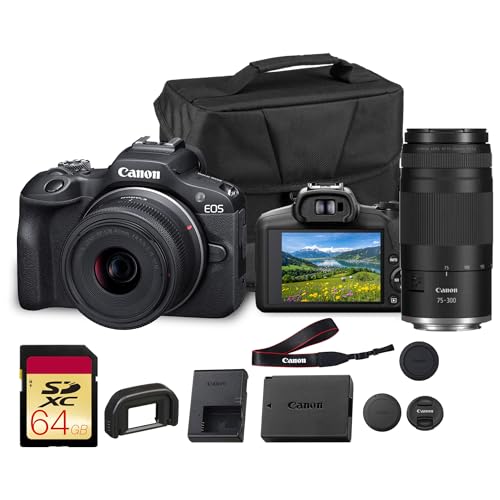
Canon EOS R100 Mirrorless Camera with 18-45mm & 75-300mm Double Lens Bundle | For Photography & Video | 24.2MP APS-C Mirrorless Camera | 4K Video | Dual Pixel Autofocus + 64GB Memory Card + Camera Bag
Check price on Amazon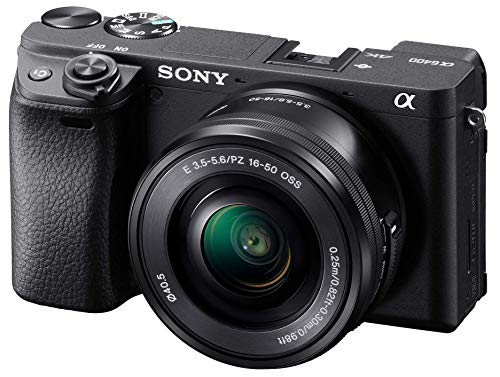
Sony Alpha a6400 Mirrorless Camera: Compact APS-C Interchangeable Lens Digital Camera with Real-Time Eye Auto Focus, 4K Video, Flip Screen & 16-50mm Lens - E Mount Compatible - ILCE-6400L/B, Black
Check price on AmazonWhat You'll Learn in This Guide
- What makes a mirrorless camera ideal for beginners
- Key specs to understand before buying
- Budget ranges and what you get at each price point
- Top features that matter for photography
- Lens options and future upgrade paths
- How to choose between APS-C, Micro Four Thirds, and Full Frame
- Frequently asked questions from new photographers
What Is a Mirrorless Camera and Why It's Perfect for Beginners
A mirrorless camera is a digital camera that eliminates the traditional mirror mechanism found in DSLRs. Instead, light passes directly through the lens to the image sensor, and you compose your shot using an electronic viewfinder (EVF) or the rear LCD screen. This design makes mirrorless cameras smaller, lighter, and quieter than their DSLR counterparts.
For beginners, the advantages are significant. First, the electronic viewfinder shows you exactly what your photo will look like before you press the shutter — including exposure, white balance, and depth of field. This real-time feedback accelerates the learning curve dramatically. Second, mirrorless cameras typically have fewer moving parts, which means less maintenance and fewer mechanical failures over time.
Third, mirrorless systems are the future of photography. Major manufacturers like Sony, Canon, Nikon, and Fujifilm have shifted their focus to mirrorless, meaning new lenses and accessories are being developed primarily for these mounts. When you invest in a mirrorless system as a beginner, you're buying into a platform that will continue to grow with you.
If you're also considering a compact option for travel or casual shooting, a point and shoot digital camera with viewfinder can complement your mirrorless setup. For those on a tighter budget, exploring cheap cameras for beginner photographers can help you understand entry-level options before committing to a mirrorless system.
Key Specs Every Beginner Should Understand
Before you buy your first mirrorless camera, it's essential to understand the specifications that directly impact image quality and usability. Here are the most important ones:
1. Sensor Size
The sensor is the heart of your camera. In mirrorless cameras, you'll typically encounter three sensor sizes:
- APS-C (crop sensor): The most common size for beginner and mid-range mirrorless cameras. It offers an excellent balance of image quality, size, and price. Brands like Sony, Fujifilm, Canon, and Nikon all offer APS-C mirrorless systems.
- Micro Four Thirds (M43): Slightly smaller than APS-C, used by Panasonic and OM System (formerly Olympus). These cameras are incredibly compact and have a vast lens ecosystem, though low-light performance is slightly behind APS-C.
- Full Frame: The same size as a 35mm film frame. Full-frame cameras offer superior low-light performance, shallower depth of field, and higher resolution — but they're larger, heavier, and more expensive. For most beginners, APS-C is the sweet spot.
2. Resolution (Megapixels)
Modern beginner mirrorless cameras typically range from 20MP to 26MP. For photography, 24MP is more than enough for printing up to A3 size and cropping with confidence. Don't get caught up in the megapixel race — 20MP is plenty for most beginners. What matters more is sensor quality and the lenses you use.
3. Autofocus System
Autofocus (AF) is one of the biggest differentiators between camera models. Look for:
- Phase-detection AF: Faster and more accurate than contrast-detection AF, especially for moving subjects.
- Eye AF / Subject Detection: Automatically locks focus on human or animal eyes. This is a game-changer for portrait and pet photography.
- AF Points: More points generally mean more flexibility in composing your shot. Modern cameras offer hundreds or even thousands of AF points.
4. Video Capabilities
Even if you're primarily a photographer, video features matter. Look for at least 4K video at 30fps, a microphone input, and ideally a flip-out screen for vlogging. If you're interested in hybrid shooting, consider a professional camera for photography and videography as your skills advance.
5. Viewfinder and LCD
An electronic viewfinder (EVF) is invaluable for shooting in bright sunlight and for composing shots with precision. A high-resolution EVF (2.36 million dots or more) provides a clear, detailed view. A flip-out or tilting LCD screen is helpful for shooting at odd angles, selfies, and vlogging.
6. Lens Mount and Ecosystem
The lens mount determines what lenses you can use. Sony E-mount, Canon RF mount, Nikon Z mount, and Fujifilm X mount are the major players. Before buying, check the availability and price of lenses you might want in the future — a good lens ecosystem is just as important as the camera body itself.
7. Battery Life
Mirrorless cameras generally have shorter battery life than DSLRs because of the electronic viewfinder and LCD. Look for a camera that uses a common battery type (like NP-FZ100 or LP-E17) and consider buying a spare. Some cameras can charge via USB-C, which is convenient for travel.
💡 Beginner Tip: Don't obsess over specs you don't understand yet. Focus on sensor size, autofocus performance, and lens availability. These three factors will have the biggest impact on your photography experience.
Budget Ranges: What to Expect at Each Price Point
Mirrorless cameras for beginners span a wide range of prices. Here's a breakdown of what you can expect at different budget levels:
| Price Range | What You Get | Best For |
|---|---|---|
| $400–$700 | Entry-level APS-C or Micro Four Thirds camera, 16–24MP sensor, basic autofocus, 4K video, kit lens included | Absolute beginners, casual photographers, students |
| $700–$1,200 | Mid-range APS-C camera, 24–26MP sensor, advanced autofocus with Eye AF, 4K video, better build quality | Enthusiasts, hobbyists ready to grow, hybrid shooters |
| $1,200–$2,000 | High-end APS-C or entry-level full frame, 24–33MP, professional-grade autofocus, dual card slots, weather sealing | Serious hobbyists, aspiring professionals, low-light shooters |
| $2,000+ | Full-frame mirrorless, 33–61MP, flagship autofocus, 4K/60p or 8K video, advanced features | Professionals, advanced enthusiasts, commercial work |
For most beginners, the $400–$700 range offers excellent value. Cameras in this range are capable of producing professional-quality images and have enough features to keep you learning for years. If you can stretch your budget to $700–$1,200, you'll get better autofocus and build quality that will serve you well as your skills grow. For those looking for even more affordable options, consider a budget mirrorless camera for beginners to start your journey without breaking the bank.
Features That Matter Most for Photography Beginners
When comparing beginner mirrorless cameras, prioritize these features:
1. Excellent Autofocus with Eye Detection
Eye autofocus is arguably the single most useful feature for beginners. It ensures your subject's eyes are always sharp, which is critical for portraits and people photography. Sony, Canon, and Fujifilm all offer excellent Eye AF in their beginner models.
2. In-Body Image Stabilization (IBIS)
IBIS compensates for camera shake, allowing you to shoot at slower shutter speeds without a tripod. This is especially useful for low-light photography and video. Not all beginner cameras have IBIS, but it's a feature worth paying extra for if you can.
3. Good Low-Light Performance
Look for cameras with a native ISO range that extends to 25,600 or higher. A larger sensor (APS-C or full frame) generally performs better in low light. If you shoot indoors or at night, this should be a priority. For more on lighting, see our guide to indoor photography lighting for beginners.
4. Intuitive Controls and Menu System
A camera is only as good as your ability to use it. Look for cameras with well-designed menus, customizable buttons, and physical dials for shutter speed, aperture, and ISO. Fujifilm cameras are famous for their retro dial-based controls, while Sony and Canon offer highly customizable interfaces.
5. Flip-Out Screen
A fully articulating screen is invaluable for shooting from unusual angles, self-portraits, and vlogging. It also protects the screen when the camera is not in use.
6. Lens Selection and Future-Proofing
Choose a system with a healthy lens ecosystem. Sony E-mount has the widest selection of third-party lenses, while Canon RF and Nikon Z mounts are rapidly expanding. Fujifilm X-mount offers excellent first-party lenses. Consider what lenses you'll want in the future — a 35mm or 50mm equivalent prime lens is a great second purchase after the kit lens.
💡 Pro Tip: If you're interested in sports or wildlife photography, prioritize autofocus speed and burst rate. For landscapes and portraits, prioritize sensor quality and lens selection. Check our guide to sports photography camera for beginners if action shots are your goal.
Top Beginner Mirrorless Cameras by Category
Based on extensive research and user feedback, here are the standout mirrorless cameras for beginners in different categories:
Best Overall for Beginners: Sony Alpha Series (APS-C)
Sony's APS-C mirrorless cameras are renowned for their excellent autofocus, compact size, and vast lens selection. The latest entry-level models offer 24MP sensors, real-time Eye AF, and 4K video. They're perfect for beginners who want a camera that can grow with them.
Pros
- Industry-leading autofocus
- Widest lens selection
- Compact and lightweight
- Excellent video features
Cons
- Menu system can be complex
- Kit lens is average
- No IBIS on some entry models
Best for JPEG Shooters: Fujifilm X Series
Fujifilm cameras are famous for their film simulation modes, which produce beautiful JPEG images straight out of camera. The X-series offers retro dial-based controls that are a joy to use and help beginners learn the exposure triangle intuitively. For those who want a semi professional camera for beginners, Fujifilm is an excellent choice.
Pros
- Gorgeous film simulations
- Intuitive dial-based controls
- Excellent build quality
- Great lens lineup
Cons
- Autofocus slightly behind Sony
- More expensive than some rivals
- Limited third-party lens options
Best for Canon Users: Canon EOS R Series (APS-C)
Canon's APS-C mirrorless cameras offer excellent ergonomics, a user-friendly menu system, and reliable Dual Pixel autofocus. If you're already familiar with Canon or want a camera that's easy to pick up and shoot, the EOS R series is a solid choice.
Pros
- Excellent ergonomics
- User-friendly menus
- Reliable autofocus
- Good value kit lenses
Cons
- Limited RF-S lens selection
- No IBIS on entry models
- Video features behind Sony
Best for Micro Four Thirds: Panasonic Lumix G Series
Panasonic's Micro Four Thirds cameras are incredibly compact and offer excellent video features. They're a great choice for beginners who prioritize portability and video quality. The M43 lens ecosystem is mature and offers many affordable options.
Pros
- Very compact and lightweight
- Excellent video capabilities
- Affordable lens options
- Great for travel
Cons
- Smaller sensor = worse low light
- Autofocus not class-leading
- Less background blur
Best for Nikon Users: Nikon Z Series (APS-C)
Nikon's Z-series APS-C cameras offer excellent image quality and ergonomics. They're a great choice for beginners who want a camera that feels solid and produces beautiful colors straight out of camera.
Pros
- Excellent image quality
- Great ergonomics
- Beautiful color science
- Solid build quality
Cons
- Limited APS-C lens selection
- Autofocus behind Sony/Canon
- Fewer third-party options
Lenses: The Most Important Investment After Your Camera
Your camera body is just the beginning. Lenses have a bigger impact on image quality than the camera itself. Here's what beginners should know:
Start with the Kit Lens
Most beginner mirrorless cameras come with a kit lens (typically 18-55mm or 15-45mm). These lenses are versatile and perfect for learning. Use your kit lens until you understand what focal lengths you enjoy shooting at.
Add a Prime Lens
A prime lens (fixed focal length) offers better image quality, wider apertures, and often a more compact size than zoom lenses. A 35mm or 50mm equivalent prime (like a 23mm or 35mm on APS-C) is an excellent second lens for portraits, street photography, and low-light shooting.
Consider a Telephoto Zoom
If you're interested in wildlife, sports, or portraits, a telephoto zoom (like 55-200mm or 70-300mm) expands your creative possibilities. For wildlife photography, check out our guide to digital camera for wildlife photography.
Don't Forget Accessories
A few essential accessories will enhance your photography experience:
- Extra battery: Mirrorless cameras drain batteries faster than DSLRs.
- SD card: Get a fast UHS-II card for 4K video and burst shooting.
- Camera bag: Protect your investment.
- Lens cleaning kit: Keep your glass pristine.
- Tripod: Essential for landscapes and long exposures.
If you're also interested in video, consider a professional video camera for beginners or a hybrid mirrorless camera that excels at both.
How to Choose Your First Mirrorless Camera: A Step-by-Step Approach
Follow these steps to make an informed decision:
- Set Your Budget: Decide how much you can spend on the camera body and at least one lens. Remember to factor in accessories like an extra battery, SD card, and bag.
- Choose Your Sensor Size: APS-C is the best balance for most beginners. Micro Four Thirds is great for portability. Full frame is ideal if you're serious about low-light and shallow depth of field.
- Pick a Lens Mount: Consider the lens ecosystem. Sony E-mount has the most options, but Canon RF, Nikon Z, and Fujifilm X all have excellent lenses.
- Prioritize Autofocus: Eye AF is a must for portraits. Look for cameras with fast, reliable autofocus.
- Check the Viewfinder and Screen: A high-resolution EVF and flip-out screen make shooting more enjoyable.
- Read Reviews and Watch Videos: Look for real-world usage reports, not just spec sheets.
- Hold the Camera: If possible, visit a store and hold the camera. Ergonomics matter — a camera that feels good in your hands will be used more often.
- Buy from a Reputable Retailer: Ensure you get a warranty and can return the camera if it's not right for you.
If you're still unsure, consider starting with an affordable camera for beginner photographer to learn the fundamentals before upgrading. For those who want a camera that excels at both photos and video, a good beginner camera for photography and video is worth the investment.
Common Mistakes Beginners Make When Buying a Mirrorless Camera
Avoid these pitfalls to make a smarter purchase:
- Chasing Megapixels: More megapixels don't always mean better photos. 24MP is plenty for most beginners.
- Ignoring the Lens Ecosystem: A camera is only as good as the lenses available for it. Check lens prices and availability before buying.
- Overbuying: You don't need a professional-grade camera to learn photography. A mid-range beginner camera is more than enough.
- Underbuying: Similarly, don't buy the cheapest camera if it lacks the features you'll need. A slightly better camera will save you money in the long run.
- Forgetting About Ergonomics: A camera that's uncomfortable to hold won't get used. Always try before you buy if possible.
- Not Budgeting for Accessories: Your camera is just the start. Budget for a lens, SD card, battery, and bag.
For more tips, see our guide to camera buying mistakes.
Ready to Start Your Photography Journey?
Browse our recommended beginner mirrorless cameras and find the perfect match for your budget and creative goals.
VIEW TOP PICKSFrequently Asked Questions
Is a mirrorless camera good for beginners?
Yes, absolutely. Mirrorless cameras are arguably the best choice for beginners because their electronic viewfinders show real-time exposure previews, which accelerates learning. They're also smaller, lighter, and offer excellent autofocus features like Eye AF that help you get sharp photos more easily.
What's the best budget for a beginner mirrorless camera?
Most beginners should budget between $400 and $800 for a camera body and kit lens. This range offers excellent image quality, good autofocus, and enough features to grow with. You can find capable options from Sony, Canon, Fujifilm, and Panasonic in this range.
Should I buy a DSLR or mirrorless camera as a beginner?
Mirrorless is generally the better choice for beginners today. The technology has matured, and mirrorless systems are the future of photography. DSLRs still have some advantages (longer battery life, optical viewfinder), but mirrorless cameras offer better autofocus, video features, and portability.
Do I need a full-frame mirrorless camera as a beginner?
No. APS-C and Micro Four Thirds cameras are more than enough for learning photography. They're smaller, lighter, and more affordable, and the image quality is excellent. Full frame becomes more relevant when you're shooting professionally in low-light conditions or need extremely shallow depth of field.
What lens should I get with my first mirrorless camera?
Start with the kit lens (usually 18-55mm or 15-45mm) to learn what focal lengths you enjoy. Then add a prime lens — a 35mm or 50mm equivalent (like 23mm or 35mm on APS-C) — for better image quality and low-light performance. This two-lens setup covers most situations.
How long does a mirrorless camera battery last?
Battery life varies by model, but most beginner mirrorless cameras last 300-500 shots per charge. This is shorter than DSLRs because of the electronic viewfinder and LCD. Buying a spare battery is highly recommended, especially for travel or events.
Can I use DSLR lenses on a mirrorless camera?
Yes, with an adapter. Many brands offer official adapters that allow you to use DSLR lenses on mirrorless bodies. However, native mirrorless lenses generally offer better autofocus performance and are more compact. Adapters are a good option if you already own DSLR lenses.
Is a mirrorless camera good for video too?
Yes, mirrorless cameras are excellent for video. They typically offer 4K recording, flip-out screens, microphone inputs, and excellent autofocus for video. Many content creators use mirrorless cameras as their primary video tool. For more options, see our guide to professional camera for photography and videography.
Final Thoughts: Start Your Mirrorless Journey Today
Choosing your first mirrorless camera is an exciting step in your photography journey. The right camera will inspire you to shoot more, learn faster, and create images you're proud of. Remember that the best camera is the one you'll actually use — so prioritize ergonomics, autofocus, and lens availability over specs you don't need.
Whether you choose Sony, Canon, Fujifilm, Nikon, or Panasonic, you can't go wrong with any of the major mirrorless systems. Each has its strengths and unique character. Start with an affordable body and a good lens, learn the fundamentals, and upgrade as your skills and needs evolve.
If you're also interested in other camera types for specific purposes, explore our guides on trail cameras, wireless front and rear cameras for cars, and small security cameras that connect to your phone. Photography is a lifelong journey — enjoy every step of it.
Ready to make your purchase? Scroll back up to see our recommended beginner mirrorless cameras, carefully selected for their value, performance, and suitability for new photographers.