
High Quality Security Cameras for Home
Protect what matters most with professional-grade surveillance. Our comprehensive guide covers 4K resolution, night vision, smart integrations, and the best cameras for every budget and home layout.
View Top RecommendationsInvesting in high quality security cameras for home is no longer a luxury—it's a necessity. Whether you want to deter intruders, monitor deliveries, or keep an eye on pets and family members, the right camera system provides invaluable peace of mind. However, with countless options flooding the market, choosing the best one for your specific needs can feel overwhelming.
This guide is designed for homeowners who have moved past the initial research phase and are ready to make a confident purchase. We'll break down the critical features that define a "high quality" camera, compare different types of systems, and help you understand exactly what you're paying for. By the end, you'll know precisely which specifications matter for your home's unique layout and security goals.
What Makes a Security Camera "High Quality"?
A high quality security camera isn't just about brand name—it's a combination of several critical factors:
- Resolution: 4K (8MP) or 2K (4MP) for clear identification of faces and license plates.
- Night Vision: Color night vision or advanced IR for reliable 24/7 monitoring.
- Field of View: 130° or wider to cover more area with fewer cameras.
- Smart Features: AI-powered person/vehicle detection to reduce false alerts.
- Build Quality: Weatherproof (IP65 or higher) for outdoor durability.
- Storage Options: Local (microSD/NVR) or cloud-based for flexible retrieval.
Key Features of High Quality Home Security Cameras
When shopping for a premium security camera, you'll encounter a lot of technical jargon. Here's what actually matters for protecting your home:
1. Resolution: 4K vs. 2K vs. 1080p
Resolution determines how much detail you can capture. 1080p (Full HD) is the baseline and works well for indoor spaces. 2K (4MP) offers a noticeable improvement in clarity, while 4K (8MP) provides the highest level of detail—essential for reading license plates or identifying faces from a distance. For high quality security cameras for home, aim for at least 2K, but 4K is ideal for front doors and driveways.
2. Night Vision Capabilities
Most crimes happen under the cover of darkness, making night vision a non-negotiable feature. Traditional IR (infrared) night vision provides black-and-white footage, while newer color night vision cameras use a spotlight or advanced sensor to capture full-color video even in low light. For outdoor coverage, look for cameras with a night vision range of at least 30 feet.
3. Smart Detection & Alerts
One of the biggest advancements in home security is AI-powered detection. Instead of receiving alerts for every swaying tree branch, high quality cameras can distinguish between people, vehicles, and animals. This significantly reduces false notifications and ensures you only get alerted when it matters. For a deeper dive into this technology, see our guide on security cameras that alert your phone.
4. Power Source: Wired vs. Battery vs. Solar
Your power source affects installation flexibility and maintenance. Wired cameras are the most reliable and never need charging, but require professional installation. Battery-powered cameras offer placement freedom but need periodic recharging. Solar-powered options are great for sunny locations and eliminate the need for manual charging. If you prefer a wire-free setup, explore our recommendations for security cameras for home battery operated.
5. Storage: Local vs. Cloud
Where your footage is stored impacts both cost and accessibility. Local storage (via microSD card or NVR) has no ongoing fees, while cloud storage offers off-site backup and easier access from anywhere. Many premium cameras offer both options. For those who want the convenience of cloud access, consider wireless security camera cloud storage solutions.
6. Weather Resistance for Outdoor Use
If you're installing cameras outside, an IP65 or IP66 rating is essential to withstand rain, dust, and extreme temperatures. This ensures your investment lasts for years. For dedicated outdoor solutions, see our list of outdoor use wireless home security cameras.
Comparing Security Camera Systems for Your Home
There's no one-size-fits-all solution. Your choice depends on your home's size, layout, and how much control you want over your footage.
| System Type | Best For | Pros | Cons | Price Range |
|---|---|---|---|---|
| Wireless Cameras | Renters, easy DIY installation | No wiring, flexible placement, often battery-powered | Need charging, Wi-Fi dependent | $80–$250 per camera |
| Wired Systems | Permanent installations, maximum reliability | Constant power, no charging, secure connection | Professional installation recommended | $200–$500 per camera |
| NVR Kits | Whole-home coverage | All cameras record to one hub, no monthly fees | Requires more setup | $400–$1,200 for 4–8 cameras |
| Video Doorbells | Front door monitoring | Two-way talk, package detection, easy install | Only covers one area | $100–$250 |
| Floodlight Cameras | Driveways, side yards | Built-in spotlight, siren, active deterrence | Needs wiring for floodlights | $150–$300 |
If you want a comprehensive setup, a wired and wireless security camera system can combine the reliability of wired cameras with the flexibility of wireless ones. For apartment dwellers, a wireless security camera system for apartments is a more suitable choice.
Where to Install High Quality Security Cameras
Even the best camera is useless if it's pointed in the wrong direction. Proper placement is critical for maximizing coverage and deterring intruders.
- Front Door: Install at chest height (around 4–5 feet) to capture clear facial images of visitors. A video doorbell works well here, or a camera with a 180° field of view.
- Driveway: Mount cameras 8–10 feet high, angled slightly downward to capture vehicles and people approaching.
- Backyard & Patio: Cover sliding doors and dark corners. Use cameras with color night vision if you have ambient light.
- Side Yards: These are common entry points. Use cameras with a narrow field of view to focus on gates or windows.
- Garage: Both inside and outside. An outdoor security camera with spotlight can actively deter intruders.
For a more detailed breakdown, read our guide on where to install security cameras outdoors.
Installation: DIY vs. Professional
Most wireless cameras are designed for DIY installation—you can mount them with a few screws and connect them to your Wi-Fi network via a mobile app. Wired systems, especially those with multiple cameras, often require professional installation to run cables and set up the NVR.
Before you buy, consider:
- Wi-Fi Coverage: Ensure your router reaches all camera locations. If not, consider a mesh Wi-Fi system or cameras with cellular backup.
- Power Access: Battery cameras need recharging, so mount them within reach. Wired cameras need an outlet or PoE (Power over Ethernet) connection.
- App Experience: A high quality camera should have a user-friendly app for live viewing, playback, and alerts. If you want the simplest experience, look for the most user-friendly security camera system.
Recommended High Quality Security Cameras
⚠️ AFFILIATE DISCLOSURE: This website contains affiliate links. As an affiliate Associate, we earn from qualifying purchases. If you make a purchase through these links, we may receive a small commission at no additional cost to you. Read our full affiliate policy.

REOLINK 16CH 5MP Home Security Camera System with 4TB HDD RLK16-410B8-5MP | 8pcs 5MP Wired Outdoor PoE IP Cameras with Smart Detection, 4K 16CH NVR for 24-7 Recording, High Bitrate & Clear Stream
Check price on Amazon
4MP Security Cameras Wireless Outdoor, No Subscription 128GB Storage, 8000mAh Solar Powered Cameras for Home Security, Auto Tracking, 8Channel Expandable, Color Night Security Camera System, 5G & 2.4G
Check price on Amazon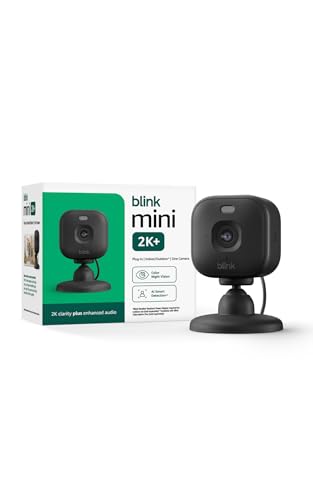
Blink Mini 2K+ (newest model) – Plug-in Home & Pet Indoor Security Camera with 2K video resolution, night vision, enhanced audio, motion detection – 1 camera (Black)
Check price on Amazon
2 Pack 4MP Security Cameras Wireless Outdoor, Color Night Vision Camera | Cameras for Home Security with PIR Motion Detection, SD/Cloud Storage, 2-Way Audio, Siren Alarm, FHD, IP65, Works with Alexa
Check price on Amazon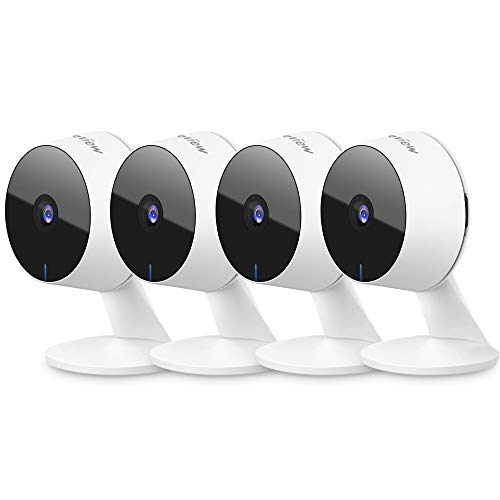
LaView Security Cameras 4pcs, Home Security Camera Indoor 1080P, Wi-Fi Cameras Wired for Pet, Motion Detection, Two-Way Audio, Night Vision, Phone App, Works with Alexa, iOS & Android & Web Access
Check price on Amazon
2K Security Camera System, 5GHz&2.4GHz WiFi Solar Wireless Cameras for Home Security, Wire-free Installation, AI Detection, Two-way Audio, Mobile alerts, SD/Cloud Storage, Color Night Vision, 4 Packs
Check price on Amazon
aosu D1 Max, 4-Cam Kit, 4K Solar Security Cameras System Wireless Outdoor | No Subscription Required, 1TB Expandable Storage, 360° PTZ Cross-Cam Auto Tracking, Smart Detection, Full Color Night Vision
Check price on Amazon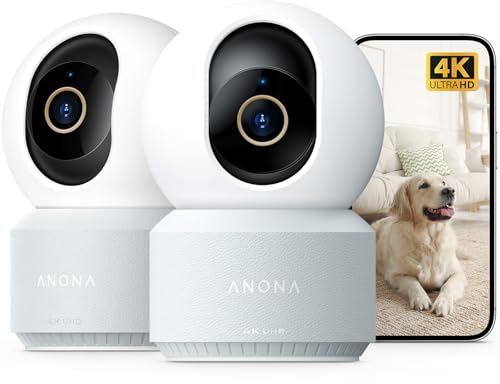
Anona 4K UHD Indoor Camera, Pet/Dog/Baby Security Camera with Phone App, 360°Pan-Tilt, 5G/2.4G Dual-Band Wi-Fi 6, Auto-Tracking, Person/Pet/Baby Crying Detection, Privacy Mode, Two-Way Audio, 2 Pack
Check price on AmazonSmart Home Integration & Advanced Features
Modern high quality security cameras are more than just recorders—they're part of your smart home ecosystem. Integration with platforms like Amazon Alexa, Google Assistant, and Apple HomeKit allows you to view live feeds on smart displays, receive voice alerts, and automate routines.
Key Smart Features to Consider:
- Two-Way Audio: Communicate with visitors or warn off intruders directly through the camera.
- Motion-Activated Recording: Save storage space by only recording when motion is detected. See our guide on wireless security cameras motion activated.
- AI Person Detection: Reduces false alerts from pets and cars.
- Integration with Alarm Systems: Some cameras can trigger your existing alarm or siren.
- Remote Viewing: Access live and recorded footage from your smartphone anywhere. If this is a priority, check out security cameras I can see on my phone.
For a fully integrated system, consider a wireless monitored home security system that combines cameras with professional monitoring services.
How Much Should You Spend?
The price of high quality security cameras varies widely based on features, brand, and whether you choose a standalone camera or a full system. Here's a general breakdown:
- Entry-Level (1080p, basic features): $40–$80 per camera
- Mid-Range (2K, night vision, smart alerts): $80–$150 per camera
- High-End (4K, color night vision, AI detection): $150–$300 per camera
- Complete Systems (4–8 cameras + NVR): $400–$1,200
Remember that some cameras require a subscription for cloud storage. If you want to avoid monthly fees, look for options that support local storage. Our article on Wi-Fi cameras that don't need subscription can help you find the best fit. For budget-conscious buyers, we also recommend checking the cheapest place to buy security cameras.
Frequently Asked Questions
Do I need Wi-Fi for my security camera to work?
Not necessarily. Some cameras use cellular service or local storage and don't require an internet connection for recording. However, if you want remote viewing and smartphone alerts, Wi-Fi (or cellular) is essential. For more information, see our guide on can you have a security camera without WiFi.
How many cameras do I need for my home?
Most homes benefit from at least 3–4 cameras: one at the front door, one covering the driveway, and two covering the backyard and side yards. Larger properties may need 6–8 cameras. A 16 camera wireless surveillance system is available for very large properties or commercial use.
Can I use an old phone as a security camera?
Yes! With the right app, you can repurpose an old smartphone as a basic security camera. It's a budget-friendly option for indoor monitoring. Learn how in our article on use old cell phone for security camera.
What's the difference between 2K and 4K security cameras?
4K cameras capture roughly four times the detail of 1080p, while 2K offers about double the detail of 1080p. For most homes, 2K is sufficient, but 4K is beneficial if you need to identify faces or license plates from a distance. Both are considered high quality options.
Are wireless cameras as reliable as wired ones?
Modern wireless cameras are highly reliable, but they depend on a stable Wi-Fi connection and battery life. Wired cameras are generally more dependable for continuous 24/7 recording. For critical areas, a wired connection is often preferred.
Final Thoughts: Choosing the Right High Quality Security Camera
Selecting the best high quality security camera for your home comes down to understanding your specific needs—whether that's 4K clarity, color night vision, or seamless smart home integration. By focusing on resolution, night vision, smart detection, and power source, you can narrow down the options and invest in a system that provides true peace of mind.
Remember, the goal isn't just to have a camera—it's to have a reliable, high-performing security solution that you can trust. Whether you choose a simple mini wireless security camera with smartphone app or a full wireless outdoor home security camera system, the key is to match the technology to your home's layout and your personal security priorities.
Ready to explore top-rated options? Check out our curated recommendations above to find the perfect high quality security camera for your home.