
Security Camera System Power Over Ethernet: The Complete Guide
Discover why PoE security camera systems are the gold standard for reliable, scalable, and clean surveillance installations. Learn everything you need to make an informed purchase.
Explore Top PoE SystemsWhy PoE? Power over Ethernet (PoE) technology allows a single cable to transmit both power and data to your security cameras. This eliminates the need for separate power outlets near each camera, simplifies installation, and provides more flexibility in camera placement. It's the preferred choice for modern surveillance systems.
What Is Power over Ethernet (PoE)?
Power over Ethernet (PoE) is a technology that enables network cables to carry electrical power along with data to connected devices. In the context of security cameras, PoE means you can power your camera and transmit video data through a single Ethernet cable, typically Cat5e or Cat6.
This technology was initially developed for IP telephones but has become the backbone of modern IP surveillance systems. For homeowners and businesses looking for a security camera system easy to install, PoE offers a significant advantage by reducing cable clutter and simplifying setup.
Unlike traditional analog cameras that require separate power cables (often requiring a nearby electrical outlet), PoE cameras receive all their power from a central PoE switch or NVR (Network Video Recorder). This centralization makes management and maintenance much more straightforward.
How Does a PoE Security Camera System Work?
A complete PoE security camera system consists of three main components:
- PoE Cameras: IP cameras designed to accept power and data over a single Ethernet cable.
- PoE Switch or NVR: The central device that injects power into the Ethernet cables and manages the network. An NVR with built-in PoE ports is a popular all-in-one solution.
- Ethernet Cabling: Standard network cables that carry both power and data from the switch to each camera.
When you connect a PoE camera to a PoE switch, the switch detects the camera and automatically negotiates the appropriate power level. The camera then powers on, connects to the network, and begins transmitting video. The entire process is seamless and doesn't require any special configuration on the camera's end.
For those who want a system without recurring fees, a PoE system is ideal. Many users prefer a security camera system that doesn't require internet for local recording, though internet access is often used for remote viewing.
Key Benefits of PoE for Security Cameras
PoE technology offers numerous advantages over traditional security camera setups:
- Simplified Installation: Only one cable is needed per camera. This reduces installation time and cost, especially for large properties. If you're considering hardwired security camera installation, PoE is the most efficient method.
- Flexible Placement: Cameras can be placed anywhere an Ethernet cable can reach, without worrying about proximity to power outlets.
- Centralized Power Management: All cameras are powered from a single location. If a camera goes offline, you can power-cycle it remotely from the NVR or switch.
- Cost-Effective: Eliminates the need for electricians to install new power outlets. The savings on labor can be substantial.
- Scalability: Adding a new camera is as simple as running one cable from the switch to the new location.
- Reliability: Fewer cables mean fewer points of failure. PoE systems are generally more stable than wireless alternatives.
- No Monthly Fees: Many PoE systems, especially those with local storage, operate without any subscription. This makes them a great choice for those seeking a security camera system that doesn't require internet for core functionality.
For business owners, a PoE system is often the foundation of a top 10 business security camera system. The ability to manage multiple cameras from a central location is invaluable for large-scale operations.
PoE Standards Explained (802.3af, at, bt)
There are several PoE standards, each offering different power levels. It's crucial to match your camera's power requirements with your switch's capabilities.
- IEEE 802.3af (PoE): Provides up to 15.4W of power per port. Suitable for most standard fixed IP cameras.
- IEEE 802.3at (PoE+): Provides up to 30W per port. Ideal for PTZ cameras, cameras with heaters, or those with advanced features like zoom, pan, and tilt.
- IEEE 802.3bt (PoE++): Provides up to 60W or even 100W per port. Used for high-power devices like multi-sensor cameras or those with powerful IR illuminators.
Always check your camera's power consumption. If you're unsure, a PoE+ switch is a safe bet as it is backward compatible with 802.3af devices and provides extra headroom for future upgrades.
Recommended PoE Security Camera Systems
⚠️ AFFILIATE DISCLOSURE: This website contains affiliate links. As an affiliate Associate, we earn from qualifying purchases. If you make a purchase through these links, we may receive a small commission at no additional cost to you. Read our full affiliate policy.

【Human Track】Hiseeu 4K PoE PTZ Security Camera System, 6pcs 5MP PTZ Cameras | 300°Pan 90°Tilt, Auto Human Tracking,Free Remote Accesss, 2-Way Audio, Waterproof, Color Night Vision,3TB HDD for 7/24 Record
Check price on Amazon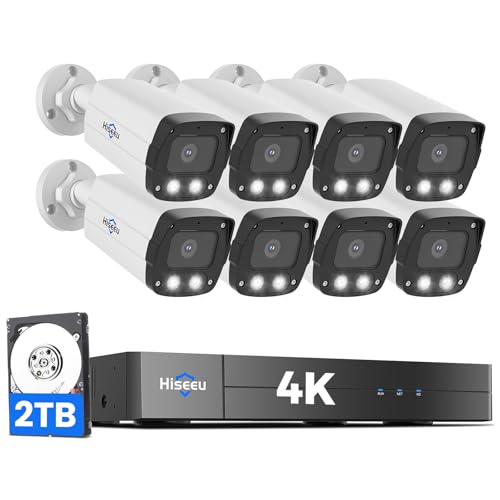
Hiseeu 8MP PoE Security Camera System, 8 Pcs IP Security Cameras | 4K HD , 0 Monthly Fee, 4K Security Camera Outdoor & Indoor, 121° Wide View, Color Night Vision, 2TB HDD for 7/24 Record
Check price on Amazon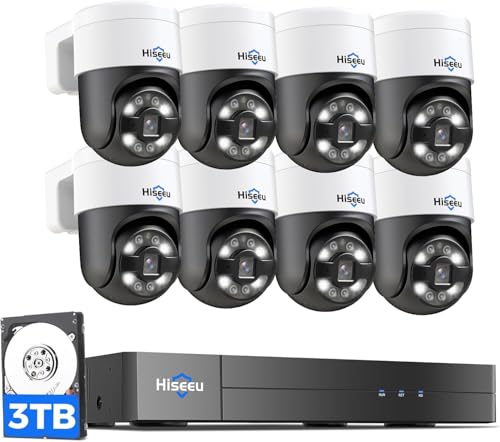
Hiseeu 4K PoE Security Camera System with 8pcs 5MP PoE PTZ Cameras | Color Night Vision,300° Pan 90° Tilt, Human Tracking 2-Way Audio, 24/7 Recording for Outdoor Indoor
Check price on Amazon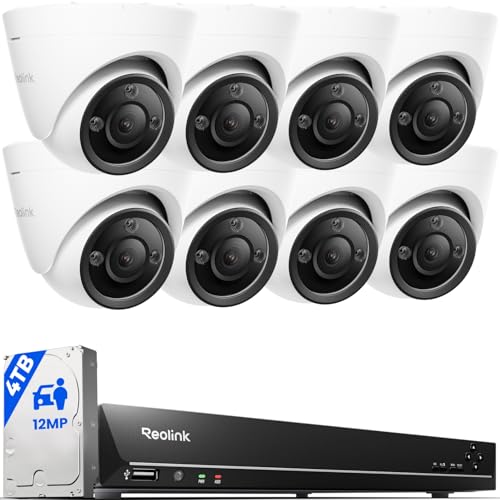
REOLINK 16CH 12MP PoE Security Camera System with 4TB HDD RLK16-1200D8-A | 8pcs H.265 12MP Security PoE Cams, Person Vehicle Pet Detection, Two-Way Talk, Spotlights Color Night Vision, home security
Check price on Amazon
REOLINK 5MP 8CH Home Security Camera System with 2TB HDD RLK8-520D4-5MP | 4pcs 5MP Wired PoE IP Cameras Outdoor with Person/Pet/Vehicle Detection, 4K 8CH NVR with 2TB HDD for 24-7 Recording
Check price on Amazon
REOLINK 8CH 5MP PoE Security Camera System RLK8-410B4-5MP Black | 4pcs 5MP Wired PoE Cameras for Home Outdoors, 4K 8CH NVR with 2TB HDD for 24-7 Recording, Smart Person/Pet/Vehicle Detection
Check price on Amazon
PANOOB 8 Channel Security Camera System PoE with 2TB HDD, PD93A0808-5M | 8X 5MP Wired Turret IP Camera Indoor & Outdoor, 100ft IR Night Vision, AI Human Vehicle Detection, Built-in Mic, 4K 8CH NVR
Check price on Amazon
5MP Outdoor Wired Security Camera System, POE Video Surveillance Systems | No Monthly Fees, 130° Wide Angle, 2-Way Audio, Motion Detection, 90FT Night Vision
Check price on AmazonHow to Choose the Right PoE Camera System
Selecting the right PoE system depends on your specific needs. Here are the key factors to consider:
- Resolution: 4MP and 4K cameras are now standard for clear identification. Higher resolution means more detail but also requires more storage and bandwidth.
- Number of Cameras: Determine how many cameras you need. Systems are available in 4, 8, 16, and even 32-channel configurations. For larger properties, a 16-channel wireless security camera system (or its PoE equivalent) might be necessary.
- Storage: Decide between a local NVR with a hard drive or a cloud-based solution. Local storage is often preferred for privacy and no monthly fees.
- Camera Types: Consider indoor vs. outdoor, bullet vs. dome, and whether you need features like continuous recording or motion alerts.
- Night Vision: Look for cameras with good low-light performance and IR range. If you need to detect heat loss, you might need a specialized infrared camera for heat loss detection, though most PoE cameras have standard IR for night vision.
- Audio: Some cameras include built-in microphones. If you need audio recording, look for an indoor security camera with audio recording or a similar outdoor model.
- Weather Resistance: For outdoor use, ensure the camera has an IP66 or IP67 rating.
If you're comparing system types, it helps to understand the difference between NVR and DVR security systems. PoE cameras are IP-based and connect to an NVR, while traditional analog cameras connect to a DVR.
PoE vs. Traditional Security Cameras
When deciding between PoE and traditional analog systems, consider the following:
- Installation: PoE wins hands down. One cable vs. two (video and power).
- Video Quality: PoE systems are digital, offering higher resolutions (up to 4K and beyond) compared to analog's typical 1080p limit.
- Scalability: PoE is much easier to expand. Just run a new cable to the switch.
- Cost: While PoE cameras can be slightly more expensive per unit, the total installation cost is often lower due to reduced labor and cabling.
- Features: PoE cameras offer advanced features like smart motion detection, people counting, and audio, which are limited or unavailable in analog systems.
For most new installations, PoE is the recommended choice. It's a future-proof technology that provides better performance and flexibility.
Installation Tips for PoE Systems
Installing a PoE system is a manageable DIY project for many homeowners. Here are some tips:
- Plan Your Camera Locations: Identify areas with the best coverage. Use a wide-angle wireless outdoor security camera for broad areas, or a security camera with zoom, pan, and tilt for flexibility.
- Cable Management: Use cable clips or conduit to secure cables neatly. Avoid running cables near power lines to prevent interference.
- Switch Placement: Place your PoE switch or NVR in a central location, ideally near your internet router.
- Testing: Test each camera before permanently mounting it. This saves time if you need to troubleshoot.
- Consider Professional Help: For complex installations, especially in commercial settings, consider hiring a professional. You can find home video surveillance system installers or companies that install outdoor security cameras in your area.
If you're looking for a system that is easy to install and manage, a PoE system is often the best choice. Many users find it comparable to a security camera system easy to install that uses wireless technology, but with the added reliability of a wired connection.
Frequently Asked Questions About PoE Security Cameras
Do PoE security cameras need a separate power supply?
No. PoE cameras receive both power and data over a single Ethernet cable. They do not need a separate power adapter or outlet. This is one of the main advantages of PoE technology.
Can I use PoE cameras without an internet connection?
Yes. PoE cameras can record locally to an NVR without an internet connection. Internet is only needed for remote viewing on your phone or computer. This makes PoE systems a great option for those seeking a security camera system that doesn't require internet.
What is the maximum cable length for PoE?
The standard maximum cable length for Ethernet is 100 meters (328 feet). This includes the distance from the PoE switch to the camera. For longer distances, you can use a PoE extender or a fiber optic connection.
Are PoE systems more expensive than wireless systems?
While the initial hardware cost might be slightly higher, PoE systems often have a lower total cost of ownership because they don't require monthly subscription fees and are more reliable. Many users find that a wireless security camera system without monthly fee is a good alternative, but PoE offers better stability and performance.
Can I mix PoE and non-PoE cameras on the same switch?
Yes, but you must be careful. A PoE switch will only provide power to devices that request it. Non-PoE devices will function normally as long as they are connected to a non-PoE port or the switch is smart enough to detect them. However, it's generally recommended to use a dedicated PoE switch for PoE cameras.
What is the best PoE camera system for home use?
The best system depends on your specific needs. For most homes, an 8-channel PoE NVR with 4K cameras is a great starting point. Look for systems with local storage, good night vision, and reliable mobile apps. If you need fewer cameras, a 4-channel system is sufficient. For businesses, a top 10 business security camera system often includes 16 or more channels.
Final Thoughts on PoE Security Camera Systems
Power over Ethernet is the most reliable, scalable, and clean solution for modern video surveillance. Whether you're protecting a small home or a large business, a PoE system offers superior performance, easier installation, and long-term cost savings. By understanding how PoE works and what to look for, you can confidently choose a system that meets your needs and provides peace of mind for years to come.
If you're ready to upgrade your security, explore our recommended PoE systems above. These products are selected based on performance, reliability, and value. For those who prefer a wireless solution, you might also consider a wireless security camera system with local storage as an alternative, but PoE remains the gold standard for professional-grade surveillance.