
What Is a Good Wireless Security Camera?
Choosing the right wireless security camera can feel overwhelming with so many options available. This guide breaks down the essential features, performance factors, and practical considerations to help you identify a truly good wireless security camera for your home or business.
Understanding What Makes a Wireless Security Camera "Good"
A good wireless security camera is not simply one with the highest resolution or the most features. It is a device that reliably delivers clear video, maintains a stable connection, and provides actionable alerts without constant maintenance. The best camera for your neighbor may not be the best for you, because the definition of "good" depends heavily on your specific environment, budget, and monitoring habits.
Before diving into specifications, it helps to understand the fundamental difference between wireless cameras. Some models rely on Wi-Fi to transmit footage to the cloud, while others use a local base station or record directly to a memory card. If you are concerned about internet outages or want to avoid monthly fees, you may prefer a security camera that doesn't need WiFi to record. This distinction alone can dramatically change your experience and long-term costs.
In this guide, we will walk through the critical factors that separate a mediocre camera from an excellent one, and we will highlight the trade-offs you need to consider before making a purchase.
Video Quality: Resolution, Frame Rate, and Field of View
The first thing most buyers look at is resolution, and for good reason. A camera with 1080p resolution is generally considered the minimum acceptable standard today, while 2K and 4K models offer significantly more detail. Higher resolution helps you identify faces, license plates, and other fine details that could be crucial in a security incident. However, higher resolution also means larger file sizes and greater bandwidth usage, which can strain your Wi-Fi network and cloud storage limits.
Frame rate matters just as much as resolution. A camera that records at 15 frames per second (fps) may produce choppy footage of fast-moving subjects, while 30 fps provides smoother video. For most residential applications, 30 fps at 1080p or 2K is an excellent balance between quality and performance.
Field of view determines how much area the camera can cover. A wide-angle lens of 130 degrees or more can monitor a large driveway or backyard with a single camera, but it may introduce distortion at the edges. Some advanced models offer a 180-degree wide-angle security camera outdoor design that covers an even broader area without the fisheye effect. Consider how many cameras you need and where they will be placed before settling on a field of view.
Power Source and Battery Life
Wireless cameras are typically battery-powered, which gives you the freedom to mount them almost anywhere without running electrical wiring. The trade-off is that you must recharge the battery periodically. Battery life varies widely, from a few weeks to several months, depending on usage, temperature, and how often the camera is triggered.
If you want to avoid the hassle of frequent charging, look for a model with a high-capacity battery and efficient power management. Some cameras use a solar panel charger for security camera to keep the battery topped off continuously, which is an excellent solution for outdoor locations with decent sunlight. A solar-powered security camera with solar charger can effectively run indefinitely without manual intervention.
For indoor use or areas with easy access to power, a plug-in wireless camera may be a better choice. These models never need recharging and often support more advanced features like continuous recording. However, they lack the installation flexibility of battery-powered units.
Night Vision and Low-Light Performance
A security camera is only as good as its ability to see in the dark. Most modern wireless cameras use infrared (IR) LEDs to capture black-and-white footage in complete darkness, while some use color night vision with a built-in spotlight. The range of night vision varies, typically from 20 to 30 feet for indoor cameras and up to 50 feet or more for outdoor models.
When evaluating night vision, consider the type of IR LEDs used. Better cameras use high-intensity LEDs that produce clearer images with less noise. Some models also feature smart night vision that adjusts intensity based on distance to avoid overexposing close subjects. If night vision is a top priority, explore dedicated security cameras with night vision that are specifically engineered for low-light performance.
For outdoor environments with unpredictable lighting, a camera with a security camera with motion light can be particularly effective. The built-in light illuminates the area when motion is detected, potentially deterring intruders while capturing clear color footage.
Connectivity, Storage, and Subscription Costs
Wireless cameras connect to your home network via Wi-Fi, but not all Wi-Fi connections are equal. A camera that supports only 2.4 GHz Wi-Fi may struggle with range and interference, while dual-band models that support 5 GHz offer faster speeds and less congestion. If your camera is far from your router, consider a model with a strong antenna or a mesh Wi-Fi system to ensure reliable performance.
Storage is another critical factor. Cloud storage is convenient but often comes with a monthly fee. Local storage via a microSD card or a base station eliminates ongoing costs but requires you to manage the storage yourself. Many users prefer a security camera without subscription to avoid recurring expenses. If you want the flexibility of local storage, look for a security camera with SD card slot that supports high-capacity cards.
For those who want the best of both worlds, some cameras offer free cloud storage for a limited time or a certain number of clips, with optional paid plans for extended storage. Understanding these costs upfront will help you avoid surprises later.
Smart Features: Motion Detection, Alerts, and Two-Way Audio
Modern wireless cameras come with a range of smart features that enhance their usefulness. Motion detection is fundamental, but not all motion detection is created equal. Basic cameras trigger on any movement, leading to frequent false alerts from passing cars, animals, or swaying trees. Advanced models use AI-powered person detection, which only alerts you when a human is detected, dramatically reducing nuisance notifications.
Two-way audio allows you to communicate with visitors or deter intruders through the camera's built-in speaker and microphone. This feature is particularly useful for front door cameras or for checking in on pets. If you want to interact with people on your property, look for a security cameras with 2-way audio capability.
Mobile alerts are essential for real-time monitoring. A good camera sends push notifications to your phone when motion is detected, often with a snapshot or short clip. Some systems allow you to customize alert zones, so you only receive notifications for activity in specific areas. For comprehensive coverage, consider a security camera system with hard drive that can record continuously and provide a central hub for all your cameras.
Durability and Weather Resistance
If you plan to install your camera outdoors, weather resistance is non-negotiable. Look for an IP rating, such as IP65 or IP66, which indicates the camera is protected against dust and water. Cameras without a proper rating may fail after exposure to rain, snow, or extreme temperatures.
For outdoor installations, consider the operating temperature range of the camera. Some batteries perform poorly in cold weather, reducing their life significantly. A wireless outdoor security camera system designed for your climate will be more reliable year-round. If you live in an area with harsh winters, a wired camera or one with a solar panel may be more dependable.
For temporary setups, such as a temporary construction security camera, you may not need the same level of weatherproofing, but durability is still important. Look for cameras with rugged housings that can withstand accidental impacts.
Installation and Ease of Use
A good wireless security camera should be easy to install and set up. Most modern cameras come with a mobile app that guides you through the process step by step. Mounting hardware is usually included, and many cameras use magnetic bases or adhesive mounts for tool-free installation.
However, if you are not comfortable with DIY installation, you may want to hire a professional. The cost to have security cameras installed varies depending on the number of cameras and the complexity of the job, but it can be a worthwhile investment for a clean, reliable setup. For a more comprehensive system, a home security camera system installation may involve running cables and configuring a central recorder.
If you prefer a system that requires minimal technical knowledge, look for the easiest security camera system to install. These systems often use wireless cameras that connect automatically to a base station and can be expanded as needed.
Top-Rated Wireless Security Cameras
⚠️ AFFILIATE DISCLOSURE: This website contains affiliate links. As an affiliate Associate, we earn from qualifying purchases. If you make a purchase through these links, we may receive a small commission at no additional cost to you. Read our full affiliate policy.

Security Cameras Wireless Outdoor, 2K Indoor Cameras for Home Security Battery Powered, AI Motion Detection, Color Night Vision, 2-Way Talk, Spotlight Siren Alarm, Cloud & SD Storage-Jet Black Camera
Check price on Amazon
2026 Upgraded 2K Security Cameras Wireless Outdoor, Free Cloud Storage, 1-6 Months Battery Life, Waterproof, 2-Way Talk, AI Motion Detection Spotlight Siren Alarm Cameras for Home Security
Check price on Amazon
GALAYOU Solar Camera Outdoor Wireless for Home Security 2.4GWiFi, R6 1Pack | 2K Cameras for Home Security/Garage/Farm/Outside Surveillance, Detachable Solar Panel, Color Night Vision, SD/Paid Cloud
Check price on Amazon
2026 Enhanced 2K UHD Security Cameras Wireless Outdoor – Free Cloud & SD Storage, Dual-Band WiFi 2.4G/5G, Full-Color Night Vision, 6-Month Battery, Motion Alerts, IP66 Weatherproof, 2-Way Talk
Check price on Amazon
GMK 4 Pack Cameras System, Security Cameras Wireless Outdoor, 2K Video | VicoHome Cam, Motion Detect, Color Night Vision, 2-Way Talk, IP65 Waterproof, Indoor&Outdoor, 2.4GHz WiFi, SD/Cloud Storage
Check price on Amazon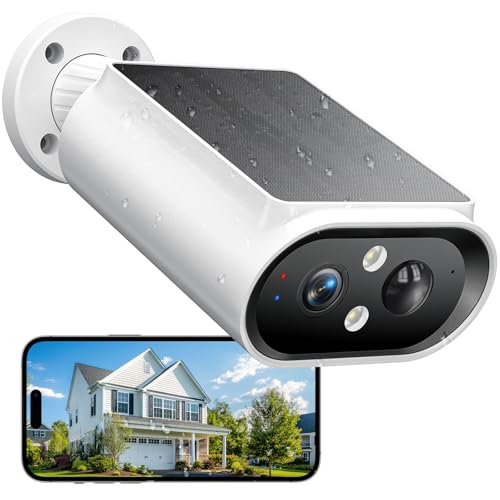
AlkiVision Solar Security Cameras Wireless Outdoor - 2K Night Color Vision Cameras for Home Security, AI Motion Detection, 360° View, Spotlight, 2-Way Audio, Siren, IP67 Waterproof, SD/Cloud Storage
Check price on Amazon
Wynoxian 1080P Outdoor Wireless Security Camera for Home Surveillance | Battery Powered, 2.4G WiFi, Motion Detection, 2-Way Audio, Cloud Storage(Sold Separately), Full Color Night Vision
Check price on Amazon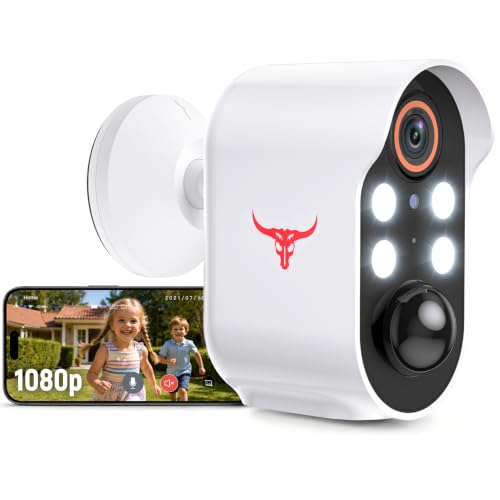
Security Cameras Wireless Outdoor, 1080P Battery Powered Security Camera
Check price on AmazonThe Verdict: What Makes a Good Wireless Security Camera?
A good wireless security camera is one that balances video quality, reliability, and convenience with your budget and lifestyle. Prioritize 1080p or higher resolution, robust night vision, and smart motion detection. Consider whether you prefer local storage or cloud storage, and factor in subscription costs if applicable. For outdoor use, ensure the camera is weather-resistant and has a power solution that works for your environment—whether that's a long-lasting battery, a solar panel, or a wired connection.
Ultimately, the best wireless security camera is the one that you can trust to work when you need it most. By focusing on the factors outlined in this guide, you can make an informed decision and enjoy peace of mind knowing your property is protected.