
Wireless Security Cameras with Flood Lights: Complete Guide
Discover how floodlight security cameras combine powerful illumination with advanced surveillance to protect your home. Learn what to look for, how to choose, and why these dual-purpose devices are transforming home security.
VIEW RECOMMENDED MODELSWhat You Will Learn
- What Are Wireless Security Cameras with Flood Lights?
- Key Features to Look For
- Benefits of Floodlight Security Cameras
- Types of Floodlight Cameras
- Installation Tips and Best Practices
- Comparison: Floodlight Cameras vs Traditional Cameras
- Buying Guide: How to Choose the Right Model
- Maintenance and Care
- Frequently Asked Questions
Recommended Wireless Security Cameras with Flood Lights
⚠️ AFFILIATE DISCLOSURE: This website contains affiliate links. As an affiliate Associate, we earn from qualifying purchases. If you make a purchase through these links, we may receive a small commission at no additional cost to you. Read our full affiliate policy.

Ring Floodlight Cam Wired Plus, Outdoor Home or Business Security with Motion-Activated 1080p HD Video and Floodlights, White
Check price on Amazon
Blink Wired Floodlight Camera, Smart security camera, 2600 lumens, HD live view, enhanced motion detection, built-in siren, Works with Alexa, 1 camera (White)
Check price on Amazon
REOLINK Solar Floodlight Security Cameras Wireless Outdoor, Up to 1000lm | 2 Pack, AI/PIR Motion-Activated Floodlight, 2K 150° Color Night Vision, Light & Siren Alarm, Two-Way Talk, WiFi 6 2.4/5GHz
Check price on Amazon
Ring Floodlight Cam 2K (newest model), Wired, Home or business security, Wide-Angle Retinal 2K Video, 6x Enhanced Zoom, Ultra-Bright Floodlights, White
Check price on Amazon
Blink Outdoor Floodlight Mount – Wire-free, 700 lumens, two-year battery life, set up in minutes (Black)
Check price on Amazon
Blink Outdoor 2K+ Floodlight Camera (newest model) — Wireless smart security camera, 2K video resolution, 700 lumens, two-year battery life, Sync Module Core included — 1 camera system (White)
Check price on Amazon
Blink Outdoor 4 Floodlight Camera — Wireless smart security camera, 700 lumens, two-year battery life, enhanced motion detection, Sync Module Core included — 1 camera system
Check price on Amazon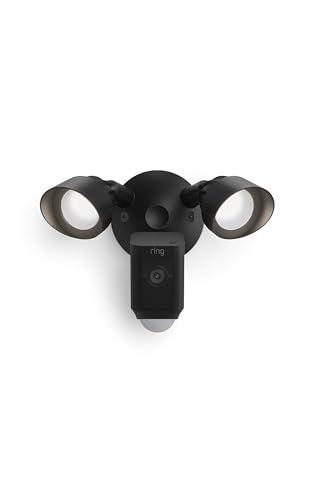
Ring Floodlight Cam Wired Plus, Outdoor Home or Business Security with Motion-Activated 1080p HD Video and Floodlights, Black
Check price on AmazonWhat Are Wireless Security Cameras with Flood Lights?
Wireless security cameras with flood lights represent a significant evolution in home surveillance technology. Unlike traditional security cameras that rely solely on night vision or separate lighting fixtures, these integrated devices combine a high-definition camera with powerful LED floodlights in a single unit. When motion is detected, the floodlights activate automatically, illuminating the area while the camera captures crystal-clear footage.
These dual-purpose devices are particularly effective as a deterrent. The sudden burst of bright light combined with the visible presence of a camera sends a strong message to potential intruders. Many models also include two-way audio, allowing you to communicate with visitors or warn off unwanted guests directly from your smartphone. For homeowners seeking a comprehensive solution, these cameras eliminate the need for separate lighting and surveillance installations.
Modern floodlight cameras are designed to integrate seamlessly with your existing smart home ecosystem. They connect via Wi-Fi to your home network and can be controlled through dedicated apps. Whether you need constant monitoring or motion-triggered recording, these devices offer flexibility and convenience. If you are exploring broader options, you might also consider security cameras that hook up to your phone for remote access, or outdoor security cameras with spotlight for focused illumination.
Key Features to Look For in Floodlight Security Cameras
When shopping for wireless security cameras with flood lights, understanding the key features will help you make an informed decision. Not all floodlight cameras are created equal, and the right choice depends on your specific security needs, property layout, and budget.
Video Resolution
Look for at least 1080p Full HD. Higher-end models offer 2K or 4K resolution for clearer details, especially important for identifying faces or license plates.
Floodlight Brightness
Measured in lumens, brightness typically ranges from 1,000 to 4,000 lumens. Brighter lights provide better illumination but consume more power.
Night Vision
Infrared or color night vision allows the camera to capture footage in complete darkness, complementing the floodlight's illumination.
Motion Detection
Advanced PIR sensors and AI-powered detection can distinguish between people, animals, and vehicles to reduce false alerts.
Two-Way Audio
Built-in microphone and speaker let you listen and speak through the camera, useful for greeting visitors or deterring intruders.
Storage Options
Choose between local storage (SD card), cloud storage, or both. Cloud storage offers easy access and backup.
Power Source
Options include hardwired, battery-powered, or solar. Battery-powered outdoor WiFi cameras offer installation flexibility.
Weather Resistance
Look for IP65 or higher ratings to ensure the camera withstands rain, snow, and extreme temperatures.
Understanding these features will help you prioritize what matters most for your situation. For instance, if you live in an area with frequent power outages, a battery-powered or solar model might be preferable. If you need the highest level of detail, invest in a 4K model with advanced AI detection.
Benefits of Wireless Security Cameras with Flood Lights
Investing in a floodlight security camera offers numerous advantages over traditional security setups. These benefits extend beyond simple surveillance, providing comprehensive protection and peace of mind.
1. Dual Functionality
The most obvious benefit is the combination of lighting and surveillance in one device. This dual functionality saves money, reduces installation complexity, and ensures that your camera always has adequate lighting for clear footage. Instead of purchasing separate floodlights and cameras, you get a single, integrated solution.
2. Active Deterrence
When the floodlights activate upon motion detection, they create a powerful deterrent effect. Intruders are far more likely to flee when suddenly illuminated and faced with a visible camera. This active deterrence is more effective than passive surveillance alone. Many models also feature sirens or two-way audio to further discourage unwanted activity.
3. Enhanced Night Vision
While most security cameras have some form of night vision, floodlight cameras take it a step further. The built-in LED lights provide full-color night vision, allowing you to see details that would be lost in traditional black-and-white infrared footage. This is particularly valuable for identifying clothing colors, vehicle details, or other distinguishing features.
4. Smart Home Integration
Most modern floodlight cameras integrate with popular smart home platforms like Amazon Alexa, Google Assistant, and Apple HomeKit. This allows for voice control, automated routines, and seamless integration with other smart devices. You can receive alerts on your phone, view live feeds, and control the lights—all from a single app.
5. Flexible Installation
Wireless models eliminate the need for complex wiring, making installation significantly easier. Battery-powered and solar options can be mounted almost anywhere, while hardwired models can replace existing floodlight fixtures. For those who prefer a completely wireless setup, wireless security cameras for home use offer similar benefits without the need for floodlights.
These benefits make floodlight cameras an excellent choice for homeowners who want comprehensive security without the hassle of multiple devices. Whether you are protecting a small apartment or a large property, there is a floodlight camera suited to your needs.
Types of Floodlight Security Cameras
Floodlight security cameras come in several configurations, each with its own advantages and ideal use cases. Understanding the differences will help you select the best option for your property.
Hardwired Floodlight Cameras
These cameras are permanently wired into your home's electrical system, often replacing existing outdoor floodlight fixtures. They provide continuous power, eliminating the need for battery changes. Hardwired models are ideal for locations with existing wiring and offer the most reliable performance. However, installation typically requires professional electrical work.
Battery-Powered Floodlight Cameras
Battery-powered models offer maximum installation flexibility since they do not require any wiring. They can be mounted virtually anywhere within Wi-Fi range. The trade-off is that you will need to recharge or replace batteries periodically, and the floodlight brightness may be limited to conserve battery life. These are excellent for renters or those who want a temporary setup.
Solar-Powered Floodlight Cameras
Solar-powered models combine the convenience of wireless installation with continuous power from the sun. They include a small solar panel that charges the internal battery, reducing or eliminating the need for manual charging. Performance depends on sunlight availability, making them best suited for sunny locations. For more details, see small solar panels for security cameras.
Smart Floodlight Cameras with Advanced AI
High-end models feature advanced artificial intelligence that can distinguish between people, animals, and vehicles. This reduces false alerts and allows for more intelligent automation. Some can even recognize familiar faces and customize alerts accordingly. These are ideal for users who want the most sophisticated security features available.
Pro Tip: If you are unsure about wiring or installation, consider starting with a battery-powered or solar model. These require no electrical work and can be easily relocated if needed. Many users find that a combination of hardwired and wireless cameras provides the best coverage.
Installation Tips and Best Practices
Proper installation is critical to getting the most out of your wireless security camera with flood lights. A poorly placed camera may miss key areas, generate false alerts, or fail to deter intruders effectively.
Choosing the Right Location
Mount the camera at a height of 8 to 10 feet for optimal coverage. This height makes it difficult for intruders to reach while providing a clear view of the area below. Position the camera so that the floodlights illuminate the approach paths to your home, such as driveways, walkways, and entry doors. For comprehensive guidance, refer to where to install security cameras outdoors.
Wi-Fi Signal Strength
Before mounting, test the Wi-Fi signal strength at your chosen location. Weak signals can cause connection drops, laggy video, and missed recordings. If the signal is poor, consider a Wi-Fi extender or choose a camera that supports a wired Ethernet connection.
Avoiding False Alerts
Position the camera to minimize triggers from passing cars, tree branches, or pedestrians on the sidewalk. Use the camera's motion detection zones to mask out areas you do not want to monitor. Many cameras allow you to adjust sensitivity and create custom activity zones.
Weatherproofing
Ensure all connections are weatherproof, especially if you live in an area with heavy rain or snow. Use dielectric grease on exposed connections and mount the camera under an eave or overhang when possible. Check that the camera's IP rating is suitable for your climate.
Power Considerations
For hardwired models, consider hiring a licensed electrician if you are not experienced with electrical work. For battery-powered models, plan a charging schedule or consider solar panels to extend battery life. Always follow the manufacturer's installation instructions carefully.
Taking the time to install your camera correctly will pay off in reliable performance and better security coverage. If you are installing a system for an apartment or rental property, you might explore wireless security camera systems for apartments for specific recommendations.
Comparison: Floodlight Cameras vs Traditional Security Cameras
To help you decide whether a floodlight camera is right for you, here is a comparison of the key differences between floodlight cameras and traditional security cameras.
| Feature | Floodlight Camera | Traditional Security Camera |
|---|---|---|
| Lighting | Built-in LED floodlights (1,000–4,000 lumens) | None; requires separate lighting |
| Deterrence | High; light + camera + siren | Moderate; camera only |
| Night Vision | Full-color with floodlights | Infrared (black and white) or limited color |
| Installation | Moderate; may require wiring for hardwired models | Varies; often simpler for wireless models |
| Cost | $150–$400 per unit | $50–$200 per unit |
| Best For | Driveways, backyards, entry points | Indoor use, covered areas, budget setups |
| Smart Features | Advanced AI, two-way audio, sirens | Basic motion alerts, some with audio |
As the table shows, floodlight cameras offer superior deterrence and night vision capabilities, making them ideal for primary outdoor security. Traditional cameras remain a cost-effective option for indoor monitoring or areas already well-lit. Many homeowners choose a hybrid approach, using floodlight cameras at key entry points and traditional cameras for general coverage. For those interested in a fully integrated system, wired and wireless security camera systems can combine both types for maximum flexibility.
Buying Guide: How to Choose the Right Floodlight Camera
With so many options on the market, choosing the right wireless security camera with flood lights can feel overwhelming. This buying guide will walk you through the most important considerations.
1. Determine Your Budget
Floodlight cameras range from approximately $150 to $400 per unit. Basic models offer essential features like 1080p resolution and motion detection, while premium models include 4K video, advanced AI, and higher lumen output. Set a budget that balances your security needs with your financial constraints.
2. Assess Your Lighting Needs
Consider the size of the area you need to illuminate. A small entryway may only require 1,000–1,500 lumens, while a large driveway might need 3,000–4,000 lumens. Brighter is not always better—excessive light can cause glare and wash out details in the camera footage.
3. Choose Your Power Source
Hardwired models offer reliable power but require professional installation. Battery-powered models are easier to install but need periodic charging. Solar models offer continuous power but depend on sunlight. Choose based on your installation capabilities and location.
4. Evaluate Storage Options
Decide between local storage (microSD card), cloud storage, or both. Cloud storage typically requires a subscription but offers off-site backup and easy access. Local storage has no ongoing fees but is vulnerable to theft or damage. Many cameras support both options.
5. Check Smart Home Compatibility
If you use Amazon Alexa, Google Assistant, or Apple HomeKit, choose a camera that integrates with your ecosystem. This allows for voice control and automation with other smart devices.
6. Read Reviews and Compare
Before purchasing, read user reviews and professional comparisons. Look for feedback on video quality, motion detection accuracy, app reliability, and customer support. Websites like AllCameraGuide provide detailed reviews and comparisons to help you make an informed decision.
Budget Recommendation: For most homeowners, a mid-range floodlight camera in the $200–$300 range offers the best balance of features, performance, and value. Look for 2K resolution, 2,000+ lumens, color night vision, and both local and cloud storage options. If you are looking for more affordable options, explore inexpensive home video surveillance systems.
Maintenance and Care for Floodlight Security Cameras
To ensure your wireless security camera with flood lights continues to perform optimally, regular maintenance is essential. Proper care extends the lifespan of the device and ensures reliable operation when you need it most.
Cleaning the Lens and Housing
Dust, dirt, and spiderwebs can accumulate on the camera lens and housing, degrading image quality and potentially triggering false motion alerts. Clean the lens gently with a microfiber cloth and a lens cleaning solution. Avoid abrasive materials that could scratch the lens. Clean the floodlight panels as well to maintain maximum brightness.
Checking Connections and Mounting
Periodically inspect all connections, especially if the camera is hardwired. Check that mounting screws are tight and that the camera has not shifted position due to wind or weather. A loose camera can cause blurry footage and may eventually fall.
Updating Firmware
Manufacturers regularly release firmware updates that improve performance, add features, and patch security vulnerabilities. Enable automatic updates if available, or check for updates manually through the camera's app. For more details, see firmware update guide.
Managing Storage
If you use local storage, periodically check the SD card's health and available space. Overwrite old footage or transfer important recordings to a computer or external drive. If you use cloud storage, review your subscription plan to ensure it meets your needs.
Battery Maintenance
For battery-powered models, monitor battery levels and recharge promptly. Extreme temperatures can affect battery performance, so consider bringing batteries indoors during harsh winters. If your camera uses disposable batteries, keep a supply on hand.
By following these maintenance tips, you can ensure your floodlight camera remains a reliable part of your home security system for years to come. For additional guidance, refer to our camera care and maintenance hub.
Frequently Asked Questions About Floodlight Security Cameras
Do wireless security cameras with flood lights require Wi-Fi?
Most wireless floodlight cameras connect to your home Wi-Fi network to transmit video and send alerts. However, some models can operate without Wi-Fi using cellular connectivity or local storage. If you are interested in cameras that work without internet, explore wireless security cameras that don't need internet.
How bright should floodlight cameras be?
For most residential applications, 1,500 to 2,500 lumens is sufficient for driveways and entryways. Larger areas or commercial properties may require 3,000 to 4,000 lumens. Consider the camera's night vision capabilities as well, since some models capture color footage even without the floodlights at full brightness.
Can I install a floodlight camera myself?
Battery-powered and solar models are generally easy to install yourself, requiring only basic tools and a ladder. Hardwired models that connect to your home's electrical system may require professional installation to ensure safety and proper function. Always follow the manufacturer's instructions and local electrical codes.
Do floodlight cameras work in cold weather?
Most floodlight cameras are designed to operate in temperatures from -4°F to 122°F (-20°C to 50°C). Battery-powered models may experience reduced battery life in extreme cold. Look for cameras with IP65 or higher weather ratings for reliable performance in harsh conditions.
What is the difference between floodlight cameras and spotlight cameras?
Floodlight cameras typically have multiple LED panels that provide wide-area illumination, while spotlight cameras focus a single, narrower beam. Floodlight cameras are better for covering large areas like driveways, while spotlight cameras are ideal for targeted areas like entryways. For more focused options, see outdoor security cameras with spotlight.
Can I use a floodlight camera without a subscription?
Yes, many floodlight cameras offer local storage via microSD card, allowing you to record and review footage without a monthly subscription. However, cloud storage subscriptions typically provide additional features like extended video history, AI-powered alerts, and remote access. If you prefer no subscription, look for models that support local storage or explore WiFi cameras that don't need subscription.
How many floodlight cameras do I need for my home?
Most homes require two to four floodlight cameras to cover main entry points, driveways, and backyards. Determine your coverage needs by identifying vulnerable areas and blind spots. A professional security assessment can help you plan the optimal placement. For larger properties, consider a 16-camera wireless surveillance system.
Are floodlight cameras a good deterrent?
Yes, floodlight cameras are highly effective deterrents because they combine three powerful deterrents: sudden bright light, a visible camera, and often a loud siren. Studies have shown that homes with visible security cameras are significantly less likely to be targeted by burglars. The active deterrence of floodlights makes them even more effective than standard cameras.
Ready to Upgrade Your Home Security?
Explore our recommended wireless security cameras with flood lights and find the perfect solution for your home. With advanced features like color night vision, AI detection, and two-way audio, these cameras provide comprehensive protection.
VIEW TOP RECOMMENDATIONSFinal Thoughts
Wireless security cameras with flood lights represent a significant advancement in home security technology. By combining high-definition video surveillance with powerful illumination, these devices offer unmatched deterrence and evidence capture capabilities. Whether you are protecting a small apartment or a large estate, there is a floodlight camera suited to your needs.
When choosing a model, prioritize video resolution, floodlight brightness, night vision quality, and smart features that align with your lifestyle. Consider your power source options and storage preferences, and do not overlook the importance of proper installation and maintenance. With the right camera and a thoughtful setup, you can enjoy peace of mind knowing your home is well-protected.
For more resources on home security, explore our related guides on security cameras for home with internet access, home security cameras with wireless night vision, and wireless security cameras with motion activation. These complementary technologies can enhance your overall security strategy.