
Sewer Inspection Camera: The Ultimate Buying Guide
Discover the best sewer inspection cameras for plumbing, drain diagnostics, and pipe maintenance. Compare features, types, and top picks to find the perfect tool for your needs.
VIEW TOP PICKSWhy a Sewer Inspection Camera? Whether you're a professional plumber or a DIY homeowner, a high-quality sewer inspection camera can save you time and money by accurately diagnosing blockages, cracks, and root intrusions without destructive digging.
What Is a Sewer Inspection Camera?
A sewer inspection camera, also known as a drain camera or pipe inspection camera, is a specialized tool designed to visually inspect the interior of pipes and drains. It consists of a flexible cable with a waterproof camera head on one end and a monitor or recording device on the other. This technology allows you to see real-time footage of the inside of your sewer lines, making it invaluable for identifying issues such as blockages, cracks, corrosion, and root infiltration.
These cameras are essential for professional plumbing diagnostics and are increasingly popular among homeowners for preventive maintenance. Unlike traditional methods that require digging or guessing, a sewer camera provides clear, immediate visual evidence of the problem. This not only speeds up repairs but also ensures that you address the correct issue, potentially saving hundreds or thousands of dollars in unnecessary excavation. For those looking to understand the technical side, the clarity of the image often depends on the quality of the CMOS sensor within the camera head.
Types of Sewer Inspection Cameras
When choosing a sewer inspection camera, it's important to understand the different types available. Each has its own strengths and ideal use cases. Here are the main categories:
1. Handheld & Compact Models
These are perfect for small drain lines and quick inspections. They are lightweight, portable, and often feature a smaller screen. They are ideal for homeowners or plumbers who need a quick check on smaller pipes. If you are looking for a versatile tool that can also handle other inspection tasks, consider an endoscope camera with light, which shares similar technology but is often designed for tighter spaces.
2. Professional Reel-Based Systems
These are the workhorses of the plumbing industry. They feature a long cable (often 100 feet or more) wound on a reel, a high-resolution camera, and a dedicated monitor. They are built for durability and can handle main sewer lines with ease. They often come with recording capabilities and are the choice of professionals for thorough surveillance and diagnostic systems.
3. Wireless & Wi-Fi Enabled Cameras
Some modern sewer cameras offer wireless connectivity, allowing you to stream footage directly to your smartphone or tablet. This can be incredibly convenient for sharing findings with clients or colleagues in real-time. If you prefer a setup without the hassle of wires, exploring options for a wireless web camera might give you an idea of the technology involved, though sewer cameras are built to much higher durability standards for wet environments.
Key Features to Consider Before Buying
Not all sewer inspection cameras are created equal. To make an informed decision, pay close attention to these critical features:
Cable Length and Diameter
The length of the cable determines how far you can inspect. For residential use, a 30-50 foot cable is usually sufficient, while main sewer lines might require 100 feet or more. The diameter of the camera head is also crucial; a smaller head (e.g., 22mm) can navigate narrower pipes and tighter bends.
Resolution and Lighting
The camera's resolution directly affects the clarity of the image. Look for at least 720p resolution for clear diagnostics. Built-in LED lights are essential for illuminating the dark interior of pipes. Adjustable brightness is a bonus feature that helps in varying conditions. The quality of the image is often tied to the megapixel count of the sensor, so don't overlook this spec.
Durability and Waterproofing
Sewer cameras operate in harsh, wet environments. Ensure the camera head is waterproof (IP68 rating is ideal) and the cable is durable and resistant to chemicals and abrasion. A good camera case for storage and transport is also a smart investment to protect your equipment.
Recording and Connectivity
Many models allow you to record video or capture still images, which is useful for documentation and sharing with contractors. Some offer SD card slots or USB connectivity. Advanced models might even offer camera connect features for remote viewing, which can be a game-changer for professional inspections.
Recommended Sewer Inspection Cameras
⚠️ AFFILIATE DISCLOSURE: This website contains affiliate links. As an affiliate Associate, we earn from qualifying purchases. If you make a purchase through these links, we may receive a small commission at no additional cost to you. Read our full affiliate policy.

[ChoosePRO®] HD1080P Sewer Camera 7'' w/1s Twist-Unlock System, DVR-32GB, 0.64'' Thicker Reel, 5000mAh 100FT Marked Cable, Plumbing Pipe Inspection Camera for Drain & Sewer Inspection
Check price on Amazon
Kcapyn Sewer Camera 100FT/30M Pipe Inspection Borescope Endoscope Camera with Light 6 LEDs 5" IPS Screen 17MM Plumbing Snake 5000 Mah Battery,1080P High-Definition Industrial Sewer Camera
Check price on Amazon
Sewer Camera 100FT/30M Borescopes Plumbing Snake Pipe Inspection Camera 22mm with 8500Mah Battery 4.3" IPS Screen 12 LEDs HD 1000TVL (22MM NO DVR Function)
Check price on Amazon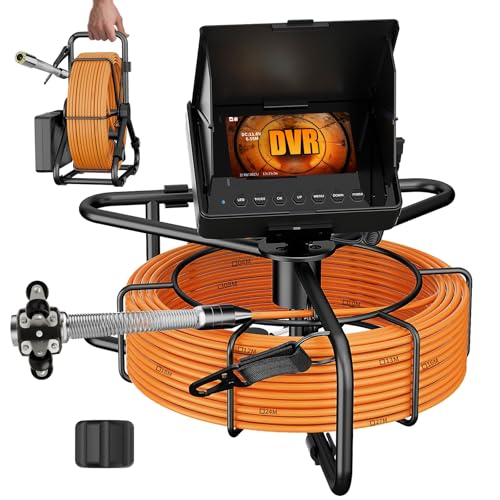
Sewer Camera 100ft w/ 23mm 1080P Probe, 8500mAh, 32GB Audio & Video Record | Drain Camera 4.3" w/ IP68 Waterproof for Plumbers, Drain Pipe & Industrial Inspection, Endoscope Camera with Light(12 LEDs)
Check price on Amazon
Sewer Camera 165FT, Self Leveling Drain Camera with Meter Counter, 7mm Thick Cable, 9" HD Screen 1080P Plumbing Cameras Snake with Light, 5100mAh Battery Duct Pipe Video Inspection Cam DVR 32GB
Check price on Amazon
EIXAUP Sewer Camera, 100 ft/30 m, 4.3" Pipe Drain Inspection Camera with DVR Function and 12 Pcs LED Lights, IP68 Waterproof 23 mm Industrial Endoscope, Meter Marker, Included 32GB Card
Check price on Amazon
Sewer Camera with Locator, 10" IPS 1080P Pipe Inspection Camera with 512Hz Sonde, Self‑Leveling Plumbing Snake Camera, 100FT 7MM Cable, Meter Counter, Video‑Audio Recording, 5X Zoom, 32GB TF Card
Check price on Amazon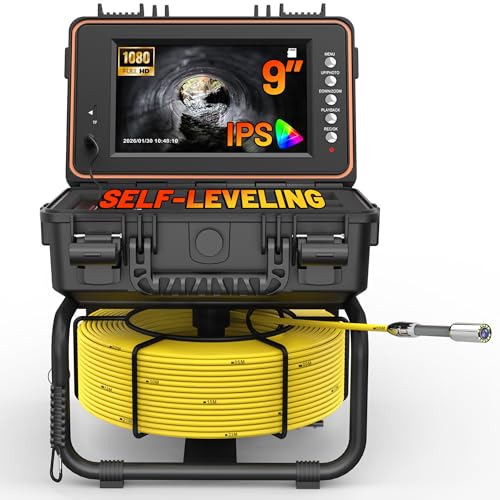
Sewer Camera, 9" HD Industrial Borescope Drain Camera with Self-Leveling, IP68 Video Endoscope Pipe Inspection Cameras, 100Ft(30M) 5MM Thicker Cable with Meter Marking, 5X Zoom, DVR, 32GB
Check price on AmazonHow to Use a Sewer Inspection Camera Effectively
Using a sewer inspection camera is straightforward, but a few best practices ensure you get the most accurate results:
- Safety First: Always wear protective gear and ensure the area is safe before starting.
- Locate the Access Point: Find the cleanout or access point to the sewer line.
- Feed the Cable Gently: Push the cable slowly and steadily. Do not force it, as this can damage the camera or the pipe.
- Monitor and Record: Watch the monitor carefully. If you see a blockage or damage, record the footage and note the distance on the cable (many cables have markings).
- Clean and Store: After use, clean the camera head and cable thoroughly with a disinfectant, and store it in a dry, protective case.
For those who need to inspect hard-to-reach areas, a overhead camera mount or a camera tripod mount can sometimes be adapted to hold the monitor or reel for easier viewing, though dedicated sewer camera systems are designed for this purpose.
Maintenance and Care for Longevity
To ensure your sewer inspection camera lasts for years, proper maintenance is key. After each use, clean the camera lens and cable with a soft cloth and a mild detergent. Avoid using harsh chemicals that could damage the waterproof seals. Check the cable for nicks or cuts regularly. Store the unit in a cool, dry place. If your camera uses a rechargeable battery, follow the manufacturer's guidelines for charging and storage. For general camera care tips, you can refer to our guide on maintaining camera quality.
If you are also interested in other types of specialized cameras for security or monitoring, you might find our articles on camera detectors or hidden spy camera detectors useful for a broader understanding of surveillance technology.
Frequently Asked Questions (FAQ)
Can I use a sewer inspection camera for other purposes?
Yes, many sewer inspection cameras are versatile. They can be used to inspect HVAC ducts, chimneys, behind walls, and even in automotive diagnostics. However, for specific tasks like inspecting a car engine, a dedicated car video camera or car camcorder might be more suitable.
How much does a good sewer inspection camera cost?
Prices vary widely based on features. Basic handheld models can start around $80-$200, while professional-grade reel systems with high-resolution cameras and long cables can range from $800 to over $2,500. It's a worthwhile investment for professionals, and even for homeowners, it can pay for itself by preventing costly emergency repairs.
Are there wireless options available?
Yes, there are wireless sewer inspection cameras that transmit footage to a receiver or smartphone. However, wired systems are generally more reliable and offer better image quality, especially over long distances. If you need a wireless solution for general monitoring, you might look into a camera that doesn't need WiFi.
What is the best resolution for a sewer camera?
A minimum of 720p is recommended for clear visibility. 1080p is even better, especially for identifying small cracks. The resolution is a key factor in overall camera quality and diagnostic accuracy.
Final Thoughts
Investing in a sewer inspection camera is a smart decision for any plumber or proactive homeowner. It transforms a messy, uncertain job into a precise, data-driven task. By understanding the types, features, and proper usage, you can select the best model for your budget and needs. Remember to consider cable length, resolution, durability, and connectivity. With the right tool, you can diagnose issues quickly, avoid unnecessary digging, and maintain a healthy sewer system for years to come.
For more insights on choosing the right camera gear, explore our other guides on digital cameras for beginners and high-quality cameras.