
Smartphone Thermal Camera: See the Invisible
Transform your smartphone into a powerful thermal imaging tool. Whether you're checking for heat loss, electrical faults, or wildlife, a thermal camera attachment gives you professional-grade insights at your fingertips.
View Top PicksWhy Trust This Guide? We've researched the most popular smartphone thermal cameras on the market, analyzing sensor resolution, temperature range, app compatibility, and real-world performance. This guide is designed to help you make an informed decision before you buy.
What Is a Smartphone Thermal Camera?
A smartphone thermal camera is a compact attachment that plugs into your phone's charging port (or connects wirelessly) and turns your device into a thermal imaging device. These cameras detect infrared radiation—heat—and display it as a visual image, allowing you to see temperature differences that are invisible to the naked eye.
Unlike bulky traditional thermal cameras, these attachments are pocket-sized, affordable, and easy to use. They're popular among electricians, home inspectors, DIY enthusiasts, outdoor explorers, and even wildlife watchers. If you're looking for a versatile camera that works in low light, you might also consider a digital night vision monocular, but a thermal camera offers unique advantages for detecting heat signatures.
For those who want a dedicated device without relying on a phone, a rugged digital camera or a compact camera for travel could be an alternative. However, the convenience of using your smartphone's screen and processing power makes thermal attachments highly appealing.
How Does a Smartphone Thermal Camera Work?
These devices use a microbolometer sensor to detect infrared energy. The sensor measures temperature variations and converts them into an electronic signal, which the accompanying app translates into a thermal image. Most models offer multiple color palettes—such as iron, rainbow, and grayscale—to help you interpret temperature differences more easily.
Key specifications to consider include:
- Thermal Resolution: Measured in pixels (e.g., 160×120, 256×192). Higher resolution means more detail.
- Temperature Range: The minimum and maximum temperatures the camera can detect.
- Accuracy: How close the readings are to the actual temperature.
- Frame Rate: Measured in Hz; higher rates provide smoother video.
- App Compatibility: Whether it works with iOS, Android, or both.
If you're also interested in capturing standard photos and videos, a video recorder camera or a 4K vlogging camera might complement your thermal tool. For professionals, a professional DSLR camera remains the gold standard for high-resolution imagery, but thermal cameras serve a completely different purpose.
Recommended Smartphone Thermal Cameras
⚠️ AFFILIATE DISCLOSURE: This website contains affiliate links. As an affiliate Associate, we earn from qualifying purchases. If you make a purchase through these links, we may receive a small commission at no additional cost to you. Read our full affiliate policy.

RISION Magic Thermal Camera, 320x240 QuadIR, Hot/Cold Spot Track, Live Temp | for USB-C iOS, Android & Win w/-4°F~1112°F , ±3.6℉ Accuracy 25Hz Thermal Imaging Camera for HVAC/Electrical Inspection
Check price on Amazon
AMPBANK M192 Thermal Camera for USB-C iPhone Android, 384 x 384 Resolution | 25Hz Thermal Imaging Camera, 192 x 192 IR Resolution Infrared Imager, ±2% Accuracy, 40mK NETD, for Professionals & DIYers
Check price on Amazon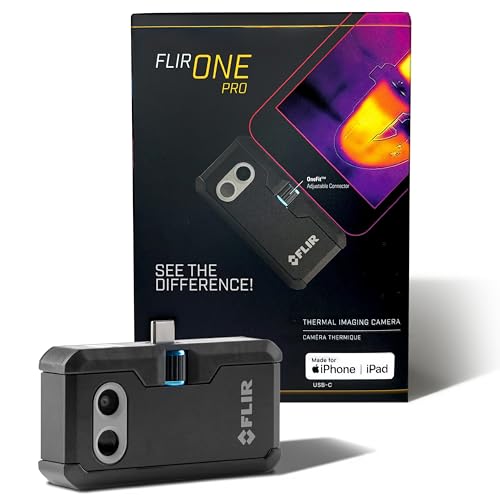
Flir One Pro - Thermal Imaging Camera for iOS Smartphones (iPhone 15 and Newer w/USB-C), 480x360 Super Resolution (160x120 Native IR)
Check price on Amazon
TOPDON TC001 Max Dual-Lens Thermal Camera for Any USB-C iPhone iPad Android | 512 x 384 TISR, 256 x 192 IR Resolution Imager, 25Hz Refresh Rate, -4°F~1022°F Temp Range, 40mK NETD, Blue
Check price on Amazon
Thermal Master P1 Thermal Camera for USB-C iOS/Android, 320x240 Resolution | -4°F to 1112°F, ±3.6℉ Accuracy Thermal Imaging Camera for Home, HVAC, Electrical and Auto Inspections (P1 Grey)
Check price on Amazon
TOPDON TC001 Thermal Imaging Camera for Android, 512x384 High Resolution | TEM Range -4°F~1022°F ,Works for Smartphones and Tablets & PC(not for iOS), 25Hz Refresh Rate, ±2% Accuracy, 40mK NETD, Blue
Check price on Amazon
TOPDON TC001 Mini 384×384 Thermal Imaging Camera for iPhone Android iPad | 25Hz Refresh Rate, -4°F~1022°F Temp Range, ±2% Accuracy, 40mK NETD, 96 x 96 IR Resolution Imager, Blue
Check price on Amazon
Thermal Master P1 Thermal Camera for Any USB-C iPhone & Android, 160x120 Ir | 320x240 Super Resolution, 3.6℉ Accuracy, Spot Tracker, -4℉-1112℉, High/Low Temp Alert for Insulation Water Leak Inspection
Check price on AmazonHow to Choose the Best Smartphone Thermal Camera
Before you buy, consider these critical factors to ensure you get the right device for your needs.
1. Resolution and Clarity
Thermal resolution is the most important spec. Entry-level models typically offer 80×60 or 160×120 pixels, while professional-grade attachments can reach 256×192 or higher. Higher resolution means you can see finer details and detect smaller temperature differences. If you're used to high-megapixel photography with a highest megapixel camera, you'll want the highest thermal resolution your budget allows.
2. Temperature Range and Accuracy
Different models have different temperature ranges. Basic models might detect -20°C to 120°C, while advanced ones can go up to 400°C or more. Accuracy is usually expressed as ±2°C or ±2% of the reading. For electrical inspections, you'll need a higher range and better accuracy.
3. Connectivity and Compatibility
Most thermal cameras connect via USB-C or Lightning. Some newer models offer wireless connectivity. Always check compatibility with your phone model. If you prefer a standalone device, consider a point and shoot film camera for analog photography, but for thermal imaging, phone attachments are the most convenient.
4. App Features
The companion app can make or break the experience. Look for apps that offer:
- Live temperature measurement
- Image and video recording
- Multiple color palettes
- Temperature alarms
- Easy sharing and export options
Some apps even allow you to blend thermal and visible light images for better context. This is similar to how a camera monitor helps you see what you're shooting, but for heat detection.
5. Build Quality and Durability
If you plan to use your thermal camera in harsh environments, look for ruggedized models. A rugged digital camera is built to withstand drops and water, and some thermal attachments are similarly durable. For outdoor enthusiasts, a waterproof digital camera or a small action camera might be more suitable for adventure photography, but thermal cameras have their own niche.
Pros and Cons of Smartphone Thermal Cameras
✅ Pros
- Portable and lightweight
- More affordable than dedicated thermal cameras
- Uses your phone's screen and processing power
- Easy to share images and videos
- Great for DIY, inspections, and outdoor use
❌ Cons
- Drains your phone's battery
- Limited to phone compatibility
- Lower resolution than high-end standalone units
- App quality varies by brand
- Can be less durable than rugged standalone cameras
If you need a camera that can handle extreme conditions and doesn't rely on a phone, a rugged digital camera or a waterproof digital camera might be a better fit. However, for most users, the convenience and cost-effectiveness of a smartphone thermal camera are hard to beat.
Price Guide: What to Expect
Smartphone thermal cameras range from budget-friendly entry-level models to professional-grade attachments. Here's a general idea of what you can expect to pay:
| Category | Price Range | Best For |
|---|---|---|
| Entry-Level | $200–$400 | DIY enthusiasts, basic home inspections |
| Mid-Range | $400–$800 | Electricians, HVAC technicians, serious hobbyists |
| Professional | $800–$1,500+ | Professional inspectors, engineers, researchers |
Prices are approximate and may vary based on brand, features, and retailer. Always check current pricing before purchasing.
For comparison, a budget digital camera or a cheap point and shoot camera might cost less, but they can't detect heat. If you're looking for a versatile camera for everyday photography, a compact camera or a camera for beginners could be a good starting point. However, for thermal imaging, you'll need a dedicated thermal attachment.
Practical Uses for Smartphone Thermal Cameras
These devices are incredibly versatile. Here are some of the most common applications:
- Home Inspections: Detect heat loss, insulation gaps, and water leaks.
- Electrical Diagnostics: Identify overheating circuits and faulty wiring.
- HVAC Maintenance: Check for duct leaks and temperature imbalances.
- Outdoor Exploration: Spot wildlife at night or navigate in low light.
- DIY Projects: Find studs, check for air leaks, and more.
- Automotive: Diagnose engine overheating and brake issues.
If you're interested in capturing wildlife, a hunting camera or a deer camera might also be useful, but thermal cameras excel at detecting heat signatures in complete darkness. For security purposes, a hidden home security camera or a small security camera can complement your thermal tool.
Frequently Asked Questions
Ready to See the World in a New Light?
Browse our top recommended smartphone thermal cameras and find the perfect one for your needs. Whether you're a DIY enthusiast or a professional inspector, there's a model for you.
Shop Top Thermal Cameras