
Children's Toy Camera: The Complete Guide to Choosing the Best Kids Camera
Spark your child's creativity with the perfect toy camera. Our comprehensive guide covers everything from durability and ease of use to photo quality and fun features that make learning photography exciting for kids of all ages.
SEE TOP RECOMMENDATIONSWhy a Children's Toy Camera Matters: In a world dominated by smartphones and tablets, giving your child a dedicated toy camera is more than just a fun gift — it's an investment in their creative development. A children's toy camera encourages outdoor play, builds observation skills, and introduces fundamental concepts of photography in an age-appropriate way. Unlike adult cameras, these devices are built to withstand drops, spills, and the enthusiastic handling that comes naturally to kids.
What Makes a Great Children's Toy Camera?
When shopping for a children's toy camera, parents often wonder what separates a durable, engaging device from one that will end up forgotten in a drawer. The best kids' cameras share several key characteristics that balance safety, fun, and functionality.
🛡️ Durability & Safety
The most important feature of any children's toy camera is its ability to survive real-world use. Look for cameras with shockproof exteriors, rounded edges, and non-toxic materials. Many top models are drop-tested from heights of up to 5 feet, ensuring they can handle the occasional tumble.
🎨 Ease of Use
Kids as young as three can enjoy photography if the controls are simple enough. Buttons should be large, clearly labeled, and responsive. A good children's toy camera typically features one-touch photo and video capture, with intuitive menus that don't require reading skills to navigate.
📸 Photo Quality
While you shouldn't expect professional-grade images from a toy camera, the best models offer surprisingly decent photo quality. Look for cameras with at least 5 megapixels and 1080p video capability. Some higher-end kids' cameras even include features like image stabilization and basic filters.
🔋 Battery Life & Storage
A children's toy camera with poor battery life will frustrate both kids and parents. Rechargeable batteries are ideal, providing hours of continuous use. Expandable storage via microSD cards allows children to take hundreds of photos without running out of space.
Types of Children's Toy Cameras
Not all kids' cameras are created equal. Depending on your child's age, interests, and experience level, different types of cameras may be more suitable. Understanding these categories will help you make an informed decision.
1. Rugged Digital Cameras for Young Children (Ages 3–7)
These cameras prioritize durability above all else. They typically feature rubberized grips, waterproof or water-resistant construction, and oversized buttons. Many models come in bright colors and include fun built-in frames and stickers that children can apply to their photos. A good example of this category is a small digital camera designed specifically for small hands.
2. Instant Print Cameras for Kids (Ages 6–12)
Instant cameras that print photos on the spot offer immediate gratification that children love. These cameras combine the fun of taking photos with the excitement of watching them develop. Many models designed for kids include built-in games, filters, and decorative frames. If your child enjoys scrapbooking or creating physical photo albums, an instant photo camera is an excellent choice.
3. Beginner Digital Cameras (Ages 8–12)
As children grow older, they may want more control over their photography. Beginner digital cameras bridge the gap between toy cameras and adult models, offering features like optical zoom, adjustable settings, and higher resolution sensors. These cameras help children learn the fundamentals of photography while still being durable enough to withstand typical kid handling. For those showing serious interest, a digital camera for beginners can be a natural next step.
4. Video-Focused Kids' Cameras (Ages 5–12)
Some children are more interested in creating videos than taking still photos. Kids' video cameras often come with built-in microphones, simple editing software, and mounts for attaching to bikes or helmets. These cameras encourage storytelling and can be a great introduction to content creation. A compact video camera designed for children offers a perfect balance of fun and functionality.
The Developmental Benefits of Photography for Children
Giving a child a toy camera isn't just about entertainment — it's about fostering skills that will serve them well throughout their lives. Research in child development consistently shows that creative play has profound effects on cognitive, emotional, and social growth.
- Enhanced Observation Skills: Photography teaches children to notice details they might otherwise overlook — the way light falls on a leaf, the expression on a pet's face, or the patterns in everyday objects.
- Improved Concentration: Framing a shot requires focus and patience. Children learn to slow down and think about what they're capturing, developing their attention span in the process.
- Self-Expression: A camera gives children a voice. They can document their world from their perspective, sharing what matters to them without needing to articulate it in words.
- Technical Skills: Even simple cameras introduce concepts like framing, lighting, and composition. These foundational skills can evolve into a lifelong passion for photography or videography.
- Social Interaction: Photography is often a shared activity. Children can take photos of friends and family, creating opportunities for bonding and collaboration. Some cameras even include features like wireless connectivity for easy sharing.
- Confidence Building: Taking a good photo and receiving praise for it boosts self-esteem. Children learn that their perspective is valuable and worth sharing.
Key Features to Look For in a Children's Toy Camera
With so many options on the market, narrowing down your choices can feel overwhelming. Here are the essential features to consider when evaluating a children's toy camera.
| Feature | Why It Matters | Recommended Specification |
|---|---|---|
| Resolution | Determines photo clarity and print quality | 5–12 megapixels (higher for older kids) |
| Video Capability | Allows children to explore video creation | 1080p HD at 30fps minimum |
| Durability Rating | Ensures camera survives drops and rough handling | Shockproof, drop-tested from 3–5 feet |
| Battery Type | Affects convenience and long-term cost | Rechargeable lithium-ion preferred |
| Storage | Determines how many photos/videos can be stored | MicroSD support, minimum 32GB capacity |
| Display Screen | Allows children to review and frame shots | 2–3 inch LCD, scratch-resistant |
| Weight & Size | Must be comfortable for small hands | Under 1 lb, ergonomic grip design |
| Extra Features | Enhances fun and creative possibilities | Filters, frames, games, time-lapse |
How to Choose the Right Camera by Age
Age is one of the most important factors when selecting a children's toy camera. A camera that's perfect for a five-year-old may be too simplistic for a ten-year-old, and vice versa. Here's a breakdown to help you match the camera to your child's developmental stage.
Ages 2–4: First Introductions
At this age, children are just beginning to understand the concept of capturing images. Cameras for this age group should be extremely simple — often with just one or two buttons. Durability is paramount, as toddlers are prone to dropping things. Look for cameras without small parts that could pose choking hazards. Some parents start with a mini drone with camera for supervised outdoor play, but a handheld toy camera is usually the better starting point.
Ages 5–7: Building Skills
Children in this range can handle more complex controls and will appreciate features like interchangeable frames, simple games, and the ability to review their photos on a screen. Waterproof models are excellent for pool and beach play. If your child is interested in documenting adventures, a 4K action camera designed for kids can be a thrilling upgrade.
Ages 8–10: Creative Exploration
Older children are ready for cameras with more advanced features. Look for models with optical zoom, multiple shooting modes, and higher resolution sensors. This is also a great age to introduce basic photography concepts like framing and lighting. A good quality digital camera that's still durable enough for kids can serve as an excellent transitional device.
Ages 11–12: Serious Hobbyists
Pre-teens who have shown sustained interest in photography may be ready for entry-level adult cameras. However, many still benefit from the ruggedness and simplicity of a high-quality kids' camera. Consider a mirrorless camera for video if your child is interested in content creation, or a compact DSLR camera for still photography.
Top Features That Kids Love
Beyond the technical specifications, certain features consistently delight children and encourage them to use their cameras more often. When evaluating a children's toy camera, prioritize these fun elements.
🎮 Built-in Games
Many kids' cameras include simple games that can be played on the camera's screen. These games provide entertainment during downtime and make the camera more than just a photography tool — it becomes a multi-purpose device that children want to carry with them.
🖼️ Photo Frames & Filters
Digital frames, stickers, and color filters allow children to personalize their photos. Whether it's adding a rainbow border or turning a photo black-and-white, these creative tools make photography feel like play. Some cameras even offer instant photography capabilities for immediate physical prints.
🎵 Sound Effects
Shutter sounds, funny voices, and musical tones add a layer of entertainment to the photography experience. For younger children especially, these auditory feedback cues make the camera feel more responsive and engaging.
📹 Video Recording
The ability to record video opens up a world of creative possibilities. Children can create their own movies, document events, or interview family members. Look for cameras with decent audio quality and stabilization features. A 4K video camera suitable for kids offers exceptional quality for budding filmmakers.
Maintaining Your Child's Toy Camera
To ensure your children's toy camera lasts as long as possible, teach your child some basic care habits. Even the most durable cameras benefit from proper maintenance.
- Regular Cleaning: Wipe the camera body and lens with a soft, dry cloth after each use. Avoid using water or cleaning solvents directly on the camera. If the lens becomes smudged, use a microfiber cloth designed for optical surfaces.
- Proper Storage: When not in use, store the camera in a protective case. A camera case designed for kids' cameras provides an extra layer of protection against bumps and scratches.
- Battery Care: If the camera uses rechargeable batteries, establish a routine for charging. Avoid letting the battery completely drain, as this can shorten its lifespan. For cameras with removable batteries, consider purchasing a spare.
- Memory Card Management: Periodically transfer photos and videos to a computer or cloud storage to free up space on the memory card. This also prevents the heartbreak of losing precious memories if the card becomes corrupted.
- Lens Protection: Consider adding a lens cap to protect the camera's lens when it's not in use. This simple accessory can prevent scratches and dust accumulation.
Common Mistakes to Avoid When Buying a Children's Toy Camera
Many parents make avoidable mistakes when purchasing a camera for their child. Being aware of these pitfalls can save you money and ensure your child gets a camera they'll actually use and enjoy.
- Prioritizing Megapixels Over Usability: A camera with 20 megapixels but confusing controls will frustrate your child. It's better to choose a lower-resolution camera with intuitive operation than a high-resolution camera that's too complex.
- Ignoring Age Recommendations: Manufacturers specify age ranges for a reason. A camera designed for a 10-year-old may have small parts that pose a hazard to a 3-year-old. Always follow age guidelines.
- Overlooking Battery Life: A camera that dies after 30 minutes of use will quickly lose its appeal. Check reviews for real-world battery performance before purchasing.
- Forgetting About Storage: Many kids' cameras come with minimal internal storage. Factor in the cost of a microSD card when budgeting. A camera deal that includes accessories can offer better overall value.
- Choosing Style Over Substance: A camera that looks cool but takes poor-quality photos will disappoint. Read reviews and look at sample images before making a decision.
- Not Considering the Child's Interests: A child who loves nature might prefer a camera with a night vision mode, while a child who enjoys sports might want something more rugged. Match the camera to your child's hobbies.
Recommended Children's Toy Cameras
⚠️ AFFILIATE DISCLOSURE: This website contains affiliate links. As an affiliate Associate, we earn from qualifying purchases. If you make a purchase through these links, we may receive a small commission at no additional cost to you. Read our full affiliate policy.

Goopow Kids Camera Toys for 3-8 Year Old Girls Boys,Children Digital Video Camcorder Camera with Cartoon Soft Cover, Best Chritmas Birthday Festival Gift for Kids
Check price on Amazon
Kids Camera Toys for 3-8 Year Old Girls and Boys, Children Digital Camera with Cute Soft Silicone Case, 1080P Video Camcorder Present with 32GB SD Card – Birthday Gift for Kids
Check price on Amazon
WoodenEdu Wooden Kids Mini Pretend Camera Toy with Real Sounds and Light | Neck Hanging Photographed Props for Kids 3 Years Old,Birthday Gift for Boys Girls Children
Check price on Amazon
Christmas Birthday Gifts for Grandkids, Stocking Stuffers for Kids Camera | Toddler Camera Boys Kids Toys for 3 4 5 6 7 8 9 Years Old Boys, 48MP Dual Lens Kids Digital Camera, 1080P Video Selfie Camera
Check price on Amazon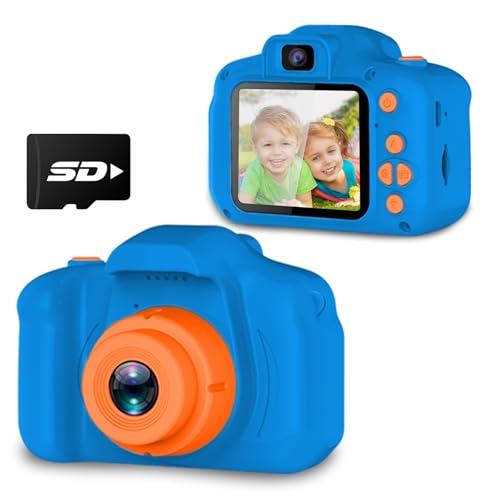
Seckton Upgraded Kids Selfie Camera, HD Digital Video Camera-Navy Blue | Christmas Birthday Gifts for Boys Age 3-9, Toddler Camera with Dual Lens, SD Card, Lanyard, Shockproof, Portable Creative Toy
Check price on Amazon
Goopow Kids Camera Toys for 3-8 Year Old Girls Boys,Children Digital Video Camcorder Camera with Cartoon Soft Cover, Best Chritmas Birthday Festival Gift for Kids
Check price on Amazon
Kids Camera Toddler Toys for Girls Boys Aged 3-12, Kids Digital Video Camera, 3-12 Year Old Girls Boys Christmas Birthday Gifts Toys Kid Camera
Check price on Amazon
Goopow Kids Camera Toys for 3-8 Year Old Girls Boys,Children Digital Video Camcorder Camera with Cartoon Soft Cover, Best Chritmas Birthday Festival Gift for Kids
Check price on AmazonMaking Photography a Family Activity
One of the best ways to encourage your child's interest in photography is to make it a shared family activity. When parents participate, children feel validated and motivated to continue exploring their creative side.
Consider organizing family photo walks where everyone brings a camera — whether it's a children's toy camera or a smartphone. Set themes for each outing, such as "colors of nature" or "funny faces." Afterward, review the photos together and discuss what everyone captured. This not only reinforces photography skills but also creates lasting family memories.
For families interested in more advanced photography, exploring different camera types together can be educational. You might compare the experience of using a compact 35mm film camera versus a digital device, or discuss the differences between various camera formats. These conversations help children understand the broader world of photography.
If your child shows interest in specific photography genres, nurture that interest. A child fascinated by wildlife might enjoy learning about trail camera mounts, while one interested in street photography might appreciate a compact camera for street photography. The key is to follow your child's curiosity.
Creative Photography Projects for Kids
To keep your child engaged with their toy camera beyond the initial excitement, introduce them to fun photography projects. These activities combine learning with play and can be adapted for different age groups.
📅 30-Day Photo Challenge
Create a calendar with a different photo theme for each day. Examples include "something red," "a shadow," "your favorite toy," or "a bug's-eye view." This project encourages daily creativity and helps children develop their observational skills.
📖 Photo Storytelling
Have your child take a series of photos that tell a story. They can arrange the photos in sequence and narrate the story to family members. This project combines photography with literacy and sequencing skills. If your child enjoys this, consider exploring camera and printer combinations to create physical storybooks.
🔍 Scavenger Hunt
Create a list of items for your child to photograph around the house or neighborhood. This game teaches children to look at their environment with fresh eyes and helps them practice framing and composition.
👨👩👧👦 Family Portrait Project
Encourage your child to take portraits of family members. This project builds interpersonal skills and gives children a sense of responsibility. They'll learn to direct subjects and wait for the right moment — valuable lessons in patience and communication.
When to Upgrade from a Toy Camera to a Real Camera
As your child grows and their skills develop, there will come a time when a toy camera no longer meets their needs. Recognizing this transition point ensures your child continues to grow as a photographer without becoming frustrated by limitations.
Signs your child is ready for an upgrade include:
- They consistently ask for more control over settings like focus and exposure
- They express frustration with the image quality of their toy camera
- They show sustained interest in photography over several months
- They demonstrate responsibility in caring for their current camera
- They want to explore specific genres like macro, portrait, or landscape photography
When making the upgrade, consider your child's specific interests. A child interested in vlogging might benefit from a small vlogging camera, while one who enjoys travel might prefer a travel camera that's compact and versatile. For those interested in the classic film experience, a 35mm point-and-shoot can be a wonderful introduction to analog photography.
If budget is a concern, consider a refurbished camera or a budget-friendly digital camera as a stepping stone. These options provide better image quality and more features than toy cameras without the high cost of new professional equipment.
Ready to Find the Perfect Camera for Your Child?
Browse our curated selection of top-rated children's toy cameras. Each product is selected for durability, ease of use, and fun features that kids love.
SHOP RECOMMENDED CAMERASFinal Thoughts on Choosing a Children's Toy Camera
Selecting the right children's toy camera is about more than just finding a device that takes pictures — it's about choosing a tool that will inspire creativity, build confidence, and create lasting memories. By considering your child's age, interests, and experience level, you can find a camera that grows with them and becomes a cherished part of their childhood.
Remember that the best camera is the one your child will actually use. Whether it's a simple, rugged model for a toddler or a more advanced option for a pre-teen, the goal is to make photography accessible and enjoyable. With the right children's toy camera and a little encouragement, you might just be nurturing the next great photographer.
For families looking to expand their photography horizons, exploring different camera types and accessories can be a wonderful journey. From digital instant cameras to high-quality cameras for older children, there's a perfect option for every stage of your child's photographic development.