
Closed Circuit Camera System with Monitor: The Complete Guide
A closed circuit camera system with monitor gives you real-time surveillance you can trust. Learn how to choose the right wired CCTV setup, understand DVR vs. NVR technology, and find the perfect system for your home or business.
View Recommended SystemsWhy choose a closed circuit system? Unlike cloud-dependent cameras, a closed circuit television (CCTV) system with a dedicated monitor transmits video signals directly to your screen — no internet required, no monthly fees, and no risk of signal interception. It is the gold standard for reliable, private surveillance.
What Is a Closed Circuit Camera System with Monitor?
A closed circuit camera system with monitor is a self-contained surveillance solution where video signals travel from cameras to a recording device and a dedicated display — all within a closed loop. Unlike IP cameras that rely on the internet or cloud services, closed circuit systems (often called CCTV) operate independently, making them ideal for locations with unreliable connectivity or strict privacy requirements.
These systems typically include wired cameras, a DVR (Digital Video Recorder) or NVR (Network Video Recorder), and a monitor for live viewing. The monitor provides instant visual access to every camera feed, allowing you to watch multiple areas simultaneously without logging into an app. For businesses and homeowners who want constant, dependable oversight, this setup remains the most trusted option.
If you're comparing options, our guide on the difference between DVR and NVR security cameras can help you decide which recording technology fits your needs. And if you're looking for a fully wired solution with remote viewing, explore hard-wired security camera systems with remote viewing.
Key Benefits of a Closed Circuit System with Monitor
🔒 Complete Privacy
No cloud storage, no data leaks. Your footage stays on your DVR/NVR and never leaves your premises. This makes closed circuit systems ideal for sensitive environments.
📡 No Internet Required
Operates entirely offline. Even during internet outages or in remote areas, your surveillance continues without interruption — a major advantage over Wi-Fi cameras.
💰 No Monthly Fees
Once installed, there are no subscription costs. You own the system and the footage. Many users pair this with security cameras without a monthly fee for maximum savings.
🖥️ Dedicated Live Monitor
A monitor provides instant, always-on viewing. No phone, no app, no delay — just immediate visual access to every camera feed, 24/7.
⚡ Reliable Wired Connection
Wired cameras avoid Wi-Fi dropouts and interference. They deliver consistent, high-quality video — ideal for wired outdoor security cameras for home.
📹 Professional-Grade Security
Businesses trust closed circuit systems for their durability and scalability. Learn more about smart professional surveillance systems.
Types of Closed Circuit Camera Systems
Analog CCTV with DVR
The traditional closed circuit setup. Analog cameras connect via coaxial cable to a DVR, which records and outputs to a monitor. Affordable and reliable.
- Lower upfront cost
- Simple installation
- Widely available
- Best for small to medium setups
HD-CVI / HD-TVI Systems
An upgrade over analog that transmits high-definition video over coaxial cable. Offers 1080p or 4K resolution without replacing existing cabling.
- High-definition video
- Uses existing coax
- Cost-effective upgrade
- Good for retrofits
IP Camera Systems with NVR
Digital cameras connect via Ethernet to a Network Video Recorder. Delivers the highest resolution and advanced features like motion detection zones.
- Best video quality
- Scalable and flexible
- Advanced analytics
- Ideal for large properties
Wireless Closed Circuit Kits
Cameras transmit wirelessly to a receiver connected to a monitor. Reduces cabling but still operates as a closed system without internet dependency.
- Minimal wiring
- Flexible placement
- Easy DIY installation
- Good for renters
DVR vs. NVR: Which Recorder Is Right for You?
Choosing between a DVR and an NVR is one of the most important decisions when building a closed circuit system. A DVR (Digital Video Recorder) works with analog cameras and converts their signals to digital for recording. It is budget-friendly and works well with existing coaxial infrastructure. An NVR (Network Video Recorder) works with IP cameras, recording digital video directly over your network. It offers higher resolution, better scalability, and advanced features like facial recognition and line-crossing detection.
For a deeper breakdown, read our full comparison on the difference between DVR and NVR security cameras. If you prefer an NVR-based setup with 4K resolution and DVR functionality, consider a 4K wireless security camera system with DVR.
| Feature | DVR System | NVR System |
|---|---|---|
| Camera Type | Analog / HD-CVI / HD-TVI | IP / Network Cameras |
| Cabling | Coaxial + Power | Ethernet (PoE) |
| Max Resolution | Up to 4K (HD-CVI) | Up to 4K+ per camera |
| Installation | Simple, plug-and-play | Requires network setup |
| Cost | $200–$800 (kit) | $400–$1,500+ (kit) |
| Best For | Budget-conscious, small setups | Large properties, high-res needs |
Choosing the Right Monitor for Your CCTV System
The monitor is the command center of your closed circuit system. It should be sized appropriately for your viewing distance and resolution. For a single-camera setup, a 19-inch to 24-inch monitor works well. For multi-camera views (4, 8, or 16 feeds), consider a 27-inch to 32-inch screen or larger. Many modern systems support split-screen viewing, allowing you to monitor multiple cameras simultaneously.
Key considerations when selecting a monitor:
- Resolution: Match your camera resolution — 1080p monitors for 1080p cameras, 4K monitors for 4K systems.
- Connectivity: Ensure HDMI, VGA, or BNC inputs match your DVR/NVR outputs.
- Size: Larger monitors reduce eye strain and allow better multi-camera viewing.
- Mounting: Wall-mount or desk-stand options depending on your control room layout.
- Reliability: Choose monitors rated for 24/7 operation — consumer TVs may not last under continuous use.
If you're setting up a professional monitoring station, explore our guide to professional home surveillance systems for additional insights on building a complete security hub.
Installation: What to Expect
Installing a closed circuit camera system with monitor is a project most DIYers can handle with basic tools. Here's a simplified overview:
Step-by-Step Installation Checklist
- Plan camera positions: Cover entry points, driveways, and blind spots. Aim for overlapping coverage.
- Run cables: For wired systems, route coaxial or Ethernet cables from each camera to the DVR/NVR location.
- Mount cameras: Secure cameras at least 8–10 feet high, angled slightly downward to avoid glare.
- Connect to DVR/NVR: Plug camera cables into the recorder and connect the recorder to your monitor via HDMI or VGA.
- Power up: Connect all devices to power and configure recording settings, motion zones, and storage.
- Test and adjust: Check each camera feed, adjust angles, and verify night vision performance.
For those who prefer a simpler setup, cheap easy-to-install security cameras offer plug-and-play options. If you're hiring a professional, understanding the cost to install a video surveillance system will help you budget accordingly.
How Much Does a Closed Circuit System Cost?
Pricing varies based on the number of cameras, resolution, and whether you choose a DVR or NVR. Here's a realistic breakdown of current market prices:
| System Type | Cameras | Typical Price Range |
|---|---|---|
| Basic Analog DVR Kit | 4 cameras | $200–$500 |
| HD-CVI DVR Kit | 4–8 cameras | $350–$800 |
| IP NVR System (PoE) | 4–8 cameras | $500–$1,200 |
| 4K NVR System | 8–16 cameras | $800–$2,500+ |
| Monitor (dedicated) | — | $100–$400 |
| Professional Installation | — | $500–$2,000 |
For budget-conscious buyers, most affordable outdoor security cameras and cheap outdoor security cameras that connect to your phone can supplement a closed circuit setup. If you're considering a fully wireless alternative without internet, look at security systems that don't require Wi-Fi.
Pros and Cons of Closed Circuit Systems
✓ Advantages
- No monthly fees or subscriptions
- Complete privacy — footage stays local
- Works without internet
- Reliable wired connection
- Dedicated monitor for instant viewing
- Scalable for large properties
✗ Limitations
- Requires professional installation for large setups
- Cabling can be labor-intensive
- Limited remote access without additional setup
- Higher upfront cost than wireless cameras
- Monitor adds to overall expense
Closed Circuit vs. Wireless Security Cameras
While closed circuit systems excel in reliability and privacy, wireless cameras offer flexibility and easier installation. If you're unsure which path to take, consider these alternatives:
- Outdoor surveillance cameras without Wi-Fi — for remote locations
- Security cameras not connected to the internet — privacy-first options
- Wireless security camera outdoor no Wi-Fi — flexible placement without internet
- Can you get a security camera without Wi-Fi? — full explanation
- Outdoor use security cameras without Wi-Fi — rugged, offline-ready
For hybrid setups, a security camera that records to an SD card can complement a closed circuit system by providing local backup without cloud dependency.
Frequently Asked Questions
Ready to Secure Your Property?
Browse our top-recommended closed circuit camera systems with monitors. Compare features, read reviews, and find the perfect setup for your home or business.
See Recommended SystemsRecommended Closed Circuit Camera Systems with Monitor
⚠️ AFFILIATE DISCLOSURE: This website contains affiliate links. As an affiliate Associate, we earn from qualifying purchases. If you make a purchase through these links, we may receive a small commission at no additional cost to you. Read our full affiliate policy.
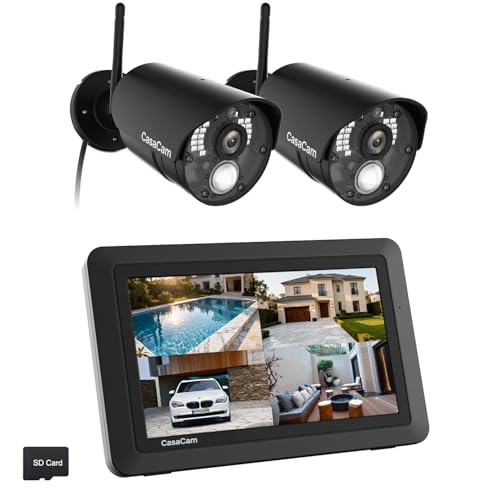
CasaCam Wireless Security Camera Air, 7 inch Monitor, 2 720p Cams, No Fees | No WiFi needed, AC powered, two-way audio, night vision, SD card and battery included, touchscreen, home, baby, pet, elderly
Check price on Amazon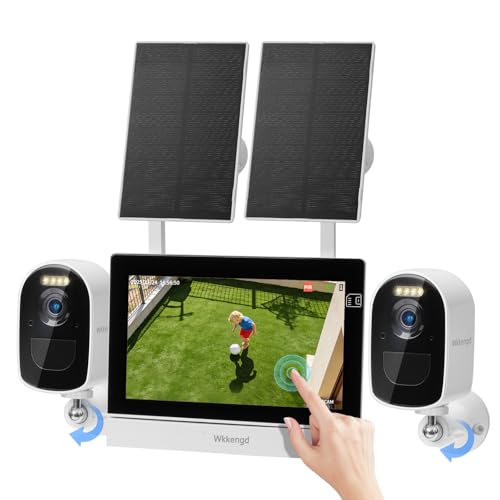
Wkkengd Solar Wireless Security Camera System, 4MP Battery Powered 2-Camera Kit with 7" Touchscreen Monitor, Motion Detection Auto Full-Screen Zoom, Color Night Vision, Compatible with Alexa
Check price on Amazon
ANNKE 5MP Wireless Security Camera System, 12" Monitor, 4 Cameras, 1TB HDD | 10CH Expandable WiFi NVR, Dual-Band WiFi, Human Detection, Two-Way Audio, Color Night Vision, IP66 Metal Cameras
Check price on Amazon
5MP WiFi Security Camera System, 10CH NVR with 16" IPS Monitor, 128GB | 130° Wide-Angle, 2-Way Audio, PIR/AI Human Detection, Free App Remote Control
Check price on Amazon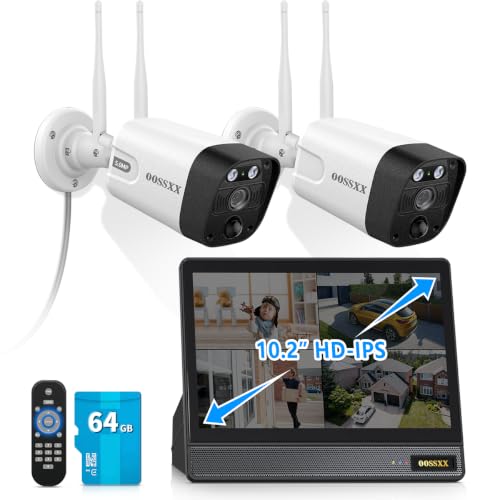
5MP Wireless WiFi Outdoor Security Camera System with Monitor, 64GB | 130° Wide-Angle, 2-Way Audio, PIR/AI Human Detection, Free App Remote Control
Check price on Amazon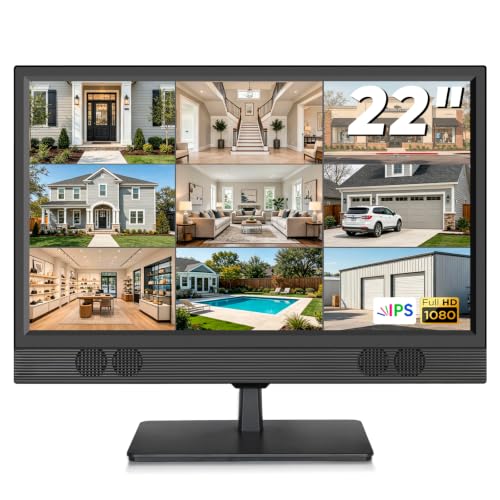
othoig 22 Inch Security Camera Monitor, 1080P IPS Full Screen, HDMI VGA BNC | HDMI VGA BNC AV Inputs; USB Video Playback; Speakers & Remote; CCTV DVR/NVR Surveillance, PC & Raspberry Pi; 100x100mm VESA
Check price on Amazon
Eyoyo Security Camera Monitor 22-inch, 1080P FHD 75Hz LED PC Screen | with HDMI VGA AV BNC USB Inputs, Built- in Speakers, 100x100mm VESA Compatible, Video Monitor for CCTV NVR DVR,
Check price on AmazonFinal Thoughts
A closed circuit camera system with monitor remains one of the most dependable ways to protect your home or business. With no monthly fees, no internet dependency, and complete privacy, it's a smart investment for anyone serious about security. Whether you choose a basic analog DVR kit or a high-resolution 4K NVR system, the key is matching the technology to your specific needs — and always prioritizing reliability over trends.
For more surveillance insights, explore our guides on outdoor security cameras with motion detection, security cameras that use Ethernet cable, and security cameras without subscription fees.