Security Systems That Don't Require Internet
Discover reliable, offline security solutions that keep your home or business protected without relying on an internet connection. Learn about local storage, cellular monitoring, and the best systems for complete independence.
In an era where nearly everything is connected to the internet, the idea of a security system that operates completely offline might seem outdated. However, for many homeowners and business owners, an internet-independent security system is not just a preference—it's a necessity. Whether you're concerned about cybersecurity, live in a rural area with unreliable internet, or simply want a system that works during power outages, security systems that don't require internet offer a robust and reliable solution.
This comprehensive guide will walk you through everything you need to know about offline security systems. We'll explore how they work, the different types available, their pros and cons, and how to choose the right one for your specific needs. By the end, you'll have a clear understanding of why these systems are gaining popularity and how they can provide peace of mind without the complexities of internet dependency.
Quick Fact: Many modern security systems can function entirely without an internet connection, using local storage (like SD cards or DVRs) and cellular networks for remote access. This makes them ideal for areas with poor Wi-Fi or for users who prioritize data privacy.
Why Choose a Security System Without Internet?
Understanding the motivations behind choosing an offline system is crucial. Here are the primary reasons why homeowners and businesses are increasingly turning to internet-free security solutions:
- Cybersecurity & Privacy: Internet-connected devices are vulnerable to hacking. An offline system eliminates the risk of unauthorized access to your camera feeds and personal data. For those who are particularly security-conscious, a security camera that does not require a subscription and operates offline is a dream come true.
- Reliability in Rural Areas: If you live in a remote location with unstable or slow internet, an internet-dependent camera is practically useless. An offline system, such as a wireless security camera that does not require internet, ensures continuous monitoring regardless of your internet status.
- No Monthly Fees: Many internet-based security cameras require a subscription for cloud storage. Offline systems typically use local storage, eliminating recurring costs. This is a major advantage for those looking for outdoor security cameras without monthly fees.
- Operation During Outages: When your internet goes down, so do most smart cameras. An offline system, especially one with battery backup or cellular connectivity, continues to record and monitor.
- Simplicity: Without the need for network configuration, router settings, or app-based cloud accounts, offline systems can be simpler to set up and maintain.
How Do Security Systems Work Without Internet?
The core principle of an internet-free security system is local data processing and storage. Instead of sending video feeds to a remote cloud server, these systems record and store footage directly on a device within your premises. Here’s a breakdown of the key components:
1. Local Storage (DVR/NVR)
Many traditional security systems use a Digital Video Recorder (DVR) or Network Video Recorder (NVR). Cameras connect to this central unit, which stores all the footage on a built-in hard drive. You can view the footage on a connected monitor or TV. This is a classic example of a wired home security camera system that operates completely independently of the internet.
2. On-Camera Storage (SD Cards)
Some modern cameras, particularly wireless models, have a slot for a microSD card. The camera records directly onto the card. This is a common feature in outdoor security cameras with SD card recorders. You can later remove the card to view footage on a computer, or access it via a local network if the camera has a built-in hotspot.
3. Cellular Connectivity
For remote viewing without a traditional internet connection, some systems use a built-in cellular module (like 4G/LTE). These are ideal for construction sites or remote cabins. A security camera with built-in cellular service can send alerts and video clips over the cellular network, acting as its own independent internet source.
Types of Security Systems That Don't Require Internet
When shopping for an offline system, you'll encounter several categories. Each has its own strengths and ideal use cases.
Wireless Systems with Local Storage
These systems use battery-powered cameras that communicate with a central base station. The base station stores the footage on a local hard drive or SD card. They don't need your Wi-Fi to record, but you might need a local network to view the feed. Many wireless security cameras with a receiver fall into this category, providing a dedicated monitor for viewing.
Wired Systems (DVR/NVR Kits)
These are the most reliable for uninterrupted recording. Cameras are physically connected to a DVR/NVR via cables, which also provide power. The DVR/NVR stores all footage. These systems are perfect for comprehensive coverage and are a staple in home surveillance systems with a monitor. They are immune to Wi-Fi jamming and internet outages.
Cellular Security Cameras
These cameras are truly wireless in every sense. They connect to the internet via a cellular network, not your home Wi-Fi. They are perfect for locations without any internet infrastructure. You can find a security camera that works with a mobile hotspot or one with its own built-in SIM card. This is a top choice for a solar-powered security camera for a construction site.
Battery-Powered Cameras with Local Storage
These cameras are easy to install and can record to an internal SD card. They often use a proprietary wireless protocol to connect to a base station, which then stores the footage. They are great for renters or for specific spots where running wires is difficult. A battery-powered security camera with night vision offers flexibility and excellent performance.
Key Features to Look For in an Offline Security System
Not all offline systems are created equal. Here are the critical features to evaluate:
- Storage Capacity: How much footage can it store? Look for systems that support large hard drives (up to 8TB or more) or high-capacity SD cards. This is crucial for a continuous recording wireless security camera.
- Power Source: Consider how the system is powered. Wired systems are most reliable but require installation. Battery-powered and solar-powered outdoor security cameras with night vision offer more flexibility but depend on sunlight or battery life.
- Night Vision: Ensure the system has good night vision capabilities, whether through infrared (IR) or color night vision. A solar-powered night vision security camera is an excellent eco-friendly option.
- Motion Detection: Look for advanced motion detection to minimize false alerts and save storage space. A security camera with long-range motion detection is ideal for large properties.
- Remote Viewing (Optional): If you still want to check in from your phone, look for a system that can create its own local Wi-Fi hotspot or uses a cellular connection. A house camera that connects to your phone via a local network or cellular signal is a good compromise.
- Durability: For outdoor use, look for weather-resistant cameras (IP65 or higher). An outdoor camera that doesn't require Wi-Fi needs to withstand the elements.
Pros and Cons of Internet-Free Security Systems
Pros:
- Enhanced Privacy & Security: No risk of cloud data breaches or hacking.
- No Monthly Fees: Eliminates the cost of cloud storage subscriptions. This is a key benefit for those seeking outdoor security cameras with no monthly fee.
- Reliable Performance: Works during internet and power outages (if battery-backed).
- Ideal for Remote Locations: Functions perfectly where internet is unavailable.
Cons:
- Limited Remote Access: Viewing footage from afar can be challenging without cellular or a complex network setup.
- Physical Security Risk: If a thief steals the DVR or the camera with the SD card, the footage is gone. This is a concern for any system without off-site backup.
- Storage Management: You are responsible for managing and potentially replacing storage drives.
- Installation: Wired systems can be complex to install.
How to Choose the Right Internet-Free Security System
Your choice depends on your specific situation. Here’s a simple guide:
- For maximum reliability and coverage: Choose a wired DVR/NVR system. They are the gold standard for 24/7 recording. You can find excellent wired home security camera system reviews to guide you.
- For renters or flexible installation: Go with a wireless system that has local storage on a base station or SD card. A wireless security camera that does not require internet is a great choice.
- For remote locations or construction sites: A cellular or solar-powered camera is your best bet. Look for a solar security camera with a motion sensor for a self-sustaining solution.
- For a simple, no-fuss setup: A security camera that does not require a subscription and records to an SD card is the easiest to set up.
Conclusion: Peace of Mind Without the Internet
Choosing a security system that doesn't require internet is a smart decision for many people. It offers a level of privacy, reliability, and cost-effectiveness that internet-dependent systems simply can't match. Whether you opt for a robust wired DVR system, a flexible wireless setup with local storage, or a standalone cellular camera, you can rest assured that your property is being monitored without the vulnerabilities and costs associated with the cloud. By understanding your needs and the features outlined in this guide, you can select the perfect offline security system to protect what matters most.
Recommended Offline Security Systems
⚠️ AFFILIATE DISCLOSURE: This website contains affiliate links. As an affiliate Associate, we earn from qualifying purchases. If you make a purchase through these links, we may receive a small commission at no additional cost to you. Read our full affiliate policy.
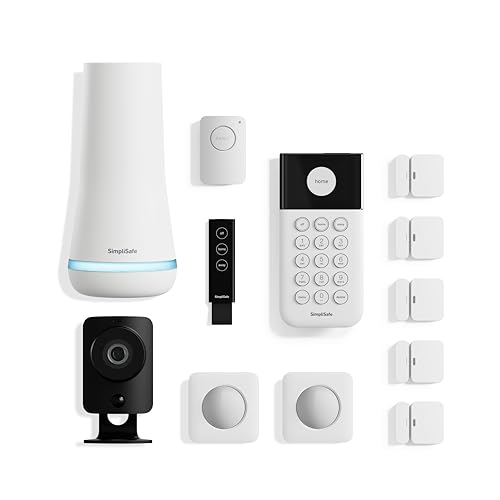
SimpliSafe 12 Piece Wireless Home Security System w/HD Camera - Optional 24/7 Professional Monitoring - No Contract - Compatible with Alexa and Google Assistant, White
Check price on Amazon
Webroot Internet Security Complete Antivirus Software 2026 10 Device 1 Year Download for PC/Mac/Chromebook/Android/IOS + Password Manager, Performance Optimizer
Check price on Amazon
[10CH Expandable] Hiseeu All-in-One Security System with 12" LCD Monitor, 3TB Hard Drive, Wireless 4K Dual WiFi NVR, 4pcs 3MP Outdoor Bullet Cameras, Night Vision, Waterproof for Home or Business…
Check price on Amazon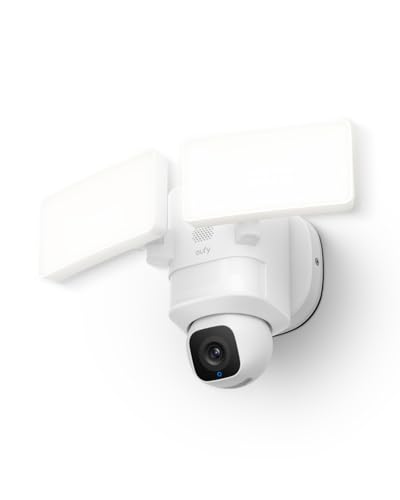
eufy Security Floodlight Camera E30, 2K, AI Detection & Tracking, Outdoor | 360° Coverage, Pan & Tilt, 2000 Lumens, Built-in Siren, 24/7 Recording, 2.4GHz Wi-Fi, No Monthly Fee
Check price on Amazon
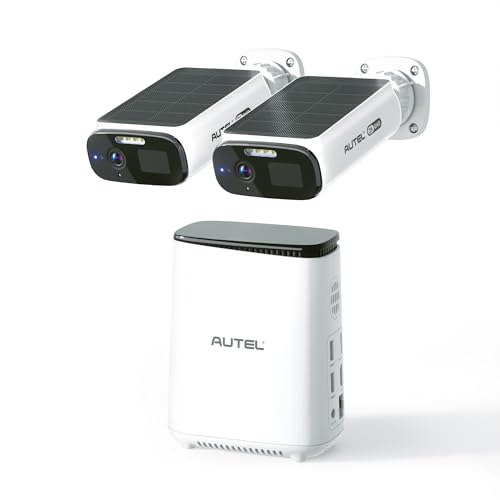
Autel Solar Security Cameras Wireless Outdoor, 2K Color Night Vision, Solar Powered, Expandable Local Storage, No Monthly Fee,AI Cameras for Home Security System (4-Cam-Kit)
Check price on Amazon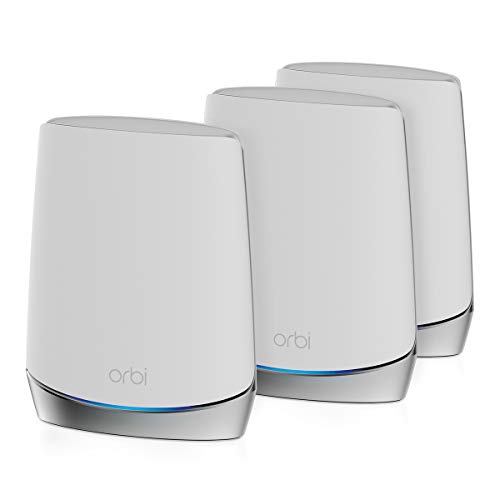
NETGEAR Orbi Whole Home Tri-Band Mesh WiFi 6 System (RBK753S) – with 1-Year NETGEAR Armor Internet Security – Router with 2 Satellite Extenders | Coverage up to 7,500 sq.ft, 40 Devices | 4.2Gbps
Check price on Amazon
eufy Security 4K Indoor Camera E30, Pan and Tilt, AI Tracking, Pet Camera | Color Night Vision, Baby/Nanny Monitor with Two-Way Audio, AI Human/Pet Detection, Works with HomeKit, No Monthly Fee, Black
Check price on Amazon